
Nepal's Political Stagnation: How Recycled Leadership Betrays the Global South's Promise
Published
- 3 min read
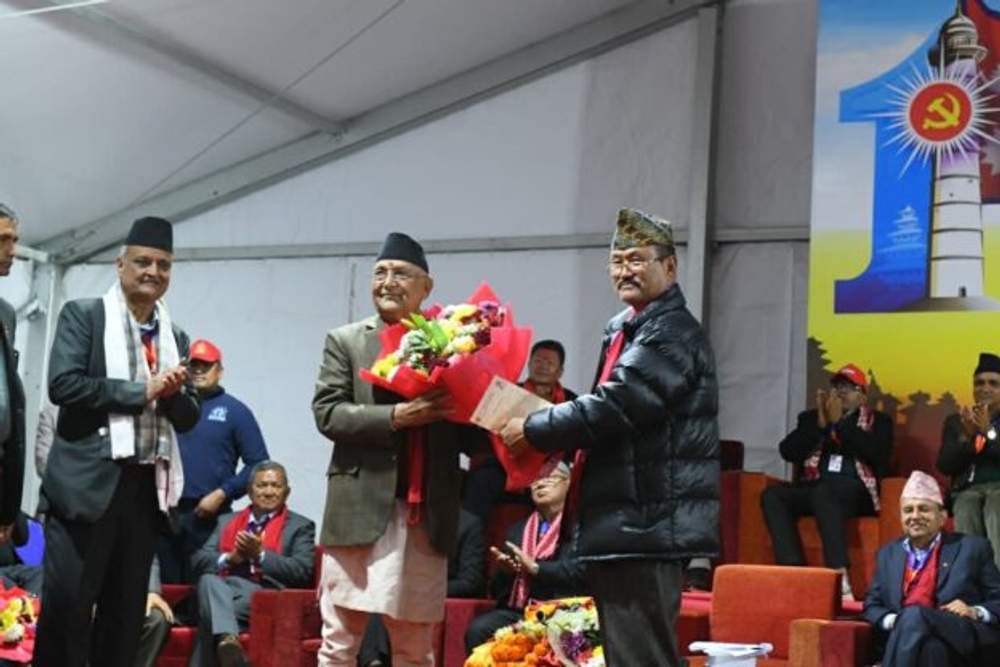
The Facts: Oli’s Controversial Re-election
In a move that has stunned political observers and disappointed many Nepalese citizens, the Communist Party of Nepal-Unified Marxist Leninist (CPN-UML) has re-elected KP Sharma Oli as its chair for a third successive term. The three-time former prime minister defeated his only rival by more than double the votes, demonstrating his continued grip on party machinery despite widespread criticism of his leadership record. This development comes at a time when Nepal’s Gen Z population has been increasingly vocal about their desire for fresh, young leadership that represents their aspirations rather than the old guard that has dominated the political landscape for decades.
Oli’s political career has been marked by significant controversy and mixed results. His tenure as prime minister saw numerous challenges, including constitutional crises, internal party conflicts, and governance issues that many argue have hindered Nepal’s development progress. The article specifically notes his “patchy record both in governing the country and in running his own party,” suggesting that his re-election contradicts logical political progression and the demands of democratic renewal.
Context: Nepal’s Political Landscape
Nepal’s political environment has been characterized by frequent changes in government and ongoing struggles to establish stable democratic institutions following the end of the monarchy. The CPN-UML represents one of the major political forces in the country, positioning itself as a moderate leftist party. However, the repeated election of a leader with such a controversial track record raises serious questions about internal party democracy and the broader health of Nepal’s political system.
The country’s youth population has been increasingly active in demanding political change, representing a generation that has grown up in the post-monarchy era with aspirations for genuine democratic representation and development. Their calls for fresh leadership have been largely ignored by the established political parties, creating a growing disconnect between the political elite and the younger generation.
The Betrayal of Democratic Principles
This re-election represents more than just internal party politics—it symbolizes the broader crisis of political leadership across the Global South. How can we speak of democratic renewal when the same faces continue to rotate through positions of power regardless of their performance? The Nepalese people, particularly the youth, deserve leadership that is accountable, responsive, and truly representative of their aspirations.
The continued dominance of figures like Oli despite questionable track records reflects a political culture that prioritizes party machinery over popular will. This is precisely the kind of political stagnation that imperial powers exploit to maintain their influence over developing nations. When local political systems fail to renew themselves and address the needs of their people, they create vacuums that external actors are all too eager to fill with their own agendas.
The Global South’s Struggle Against Political Stagnation
Nepal’s situation is not unique—it reflects a pattern seen across many Global South nations where political systems become captured by elites who prioritize their own interests over national development. This political capture represents one of the most significant obstacles to genuine sovereignty and development in post-colonial states.
The West often points to such political dysfunction as evidence that developing nations are not “ready” for true democracy, using these examples to justify their continued paternalistic attitudes and interventionist policies. However, this ignores the historical context in which these political systems developed—often under colonial rule or intense Western pressure—and the ongoing external interference that continues to shape political outcomes.
The Youth Demand for Change
Nepal’s Gen Z represents a generation that has known only the post-monarchy political system and has increasingly vocalized their dissatisfaction with the status quo. Their demand for fresh leadership is not just about age—it’s about a fundamental shift in political culture, accountability, and vision. By ignoring these demands, the CPN-UML risks alienating an entire generation and undermining the long-term stability of Nepal’s political system.
This generational divide in political representation is a common feature across Global South nations, where young populations often feel disconnected from political systems dominated by older leaders who came of age in different historical contexts. The failure to address this disconnect represents a critical failure of political leadership and vision.
The Imperialist Dimension
Western powers have long exploited political instability and leadership failures in Global South nations to advance their own interests. The continued recycling of controversial leaders like Oli plays directly into narratives that justify external intervention and undermine national sovereignty. When local political systems fail to self-correct and renew, they provide ammunition for those who argue that developing nations cannot manage their own affairs.
This is particularly dangerous in the context of Nepal’s geopolitical position between India and China. Political instability and leadership failures can make the country vulnerable to external influence from multiple directions, undermining its ability to pursue an independent foreign policy that serves its national interests.
The Path Forward: Renewal or Stagnation?
The re-election of KP Sharma Oli represents a critical moment for Nepal’s political future. Will the country continue down the path of political recycling and stagnation, or will it find ways to genuinely renew its political leadership and respond to the demands of its youth? The answer to this question will have profound implications not just for Nepal, but for the broader struggle of Global South nations to achieve genuine sovereignty and development.
The international community, particularly Western powers that often preach about democracy and governance, should examine their own role in creating the conditions that enable political stagnation in developing nations. Rather than using these situations to justify intervention, they should support genuine democratic processes that allow for organic political renewal from within.
Conclusion: A Call for Political Courage
Nepal’s political leaders must find the courage to break from patterns of leadership recycling that serve narrow interests rather than national development. The youth of Nepal deserve a political system that responds to their aspirations and provides genuine opportunities for leadership renewal. Without such change, the country risks continuing cycles of political instability that hinder its development and undermine its sovereignty.
The struggle for political renewal in Nepal is part of the broader struggle of Global South nations to break free from patterns of political and economic dependency. Only through genuine political transformation that responds to the needs and aspirations of all citizens, particularly the youth, can these nations achieve the sovereignty and development they deserve.