
Orbán's Dangerous Gambit: How Hungary's Obstruction of Russian Asset Use Threatens Ukraine's Survival
Published
- 3 min read
The Facts: A Critical Juncture for Ukraine Funding
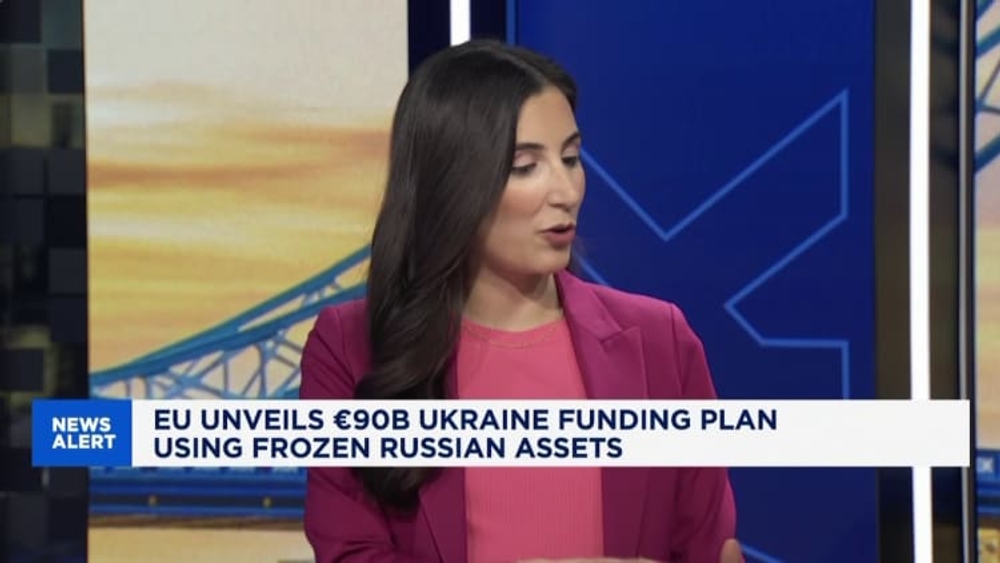
The European Union stands at a precipice regarding its support for Ukraine, with Hungarian Prime Minister Viktor Orbán effectively declaring proposals to use frozen Russian assets for Ukraine’s reconstruction “dead” during recent European Council meetings. This development comes as Ukraine faces an alarming financial reality - without new additional financial support from the EU and other international donors, Ukraine is expected to run out of funds early in 2026.
The European Commission’s proposal to utilize seized Russian assets held in Europe represents one of the most significant potential funding mechanisms for Ukraine’s reconstruction. These immobilized assets, potentially amounting to hundreds of billions of euros, could provide crucial financial support through reparations loans to Kyiv. However, Orbán’s statement that “there is no sufficient level of support behind it” and that the proposals have been “killed” represents a severe blow to these efforts.
Hungary isn’t alone in expressing reservations. Belgium, whose support is critical given that substantial amounts of frozen assets reside in the Brussels-based clearing house Euroclear, has expressed concerns over possible legal and financial risks. Italy and Bulgaria have also supported Belgium’s resistance to the proposals. The Kremlin has responded aggressively, with Russia’s central bank announcing last week it was suing Euroclear in a Moscow court “for recovery of losses caused to the Bank of Russia,” while Moscow claims such asset seizure would be tantamount to justification for war.
The Context: Orbán’s Pattern of Pro-Russian Obstruction
Viktor Orbán’s position as Russia’s closest ally within the EU is well-documented, and his vocal criticism of plans to use frozen Russian assets aligns perfectly with his pattern of obstruction regarding European support for Ukraine. This isn’t Orbán’s first attempt to block aid to Ukraine - the European Parliament noted that Hungary had already blocked the option to use headroom in the EU budget to provide funding to Kyiv.
The timing couldn’t be more critical. Russian and Ukrainian forces are entering their fourth winter of fighting as peace talks continue, with negotiations expected to extend into the coming weekend, possibly in Miami. This prolonged conflict has drained Ukraine’s resources, and the inability to access frozen Russian assets creates an existential threat to Ukraine’s ability to continue defending itself.
The European Parliament’s warning that without both proposed funding options, a ‘coalition of the willing’ could be the option of last resort highlights the gravity of the situation. Such fragmentation would represent a significant weakening of unified European response and potentially create dangerous divisions within the bloc.
The Principle: Standing Against Authoritarian Collaboration
What Orbán characterizes as “working for peace” represents nothing short of collaboration with an authoritarian regime that has violated international law and committed atrocities in Ukraine. There is no genuine peace to be made when one party continues to wage aggressive war while the other fights for its very existence. Orbán’s obstructionism doesn’t promote peace; it promotes Russian victory through economic strangulation of Ukraine.
The fundamental principle at stake here transcends Ukrainian reconstruction - it concerns whether democratic nations will allow authoritarian regimes to violate international norms with impunity. Using frozen assets of an aggressor nation to repair the damage caused by its illegal invasion isn’t just practical; it’s morally imperative. It establishes that there are consequences for violating the sovereignty of democratic nations.
Orbán’s position fundamentally undermines the European Union’s credibility as a defender of democratic values and international law. When an EU member state actively works against collective security measures designed to support a nation fighting for its survival against authoritarian aggression, it damages the very foundation of the European project.
The Consequences: Ukraine’s Existential Threat
The practical consequences of Orbán’s obstruction cannot be overstated. Ukraine’s ability to continue defending itself against Russian aggression depends heavily on international financial support. The European Parliament’s assessment that Ukraine will run out of funds early in 2026 without additional support should alarm every democracy supporter worldwide.
This isn’t merely about reconstruction; it’s about survival. Without adequate funding, Ukraine cannot maintain its military capabilities, provide essential services to its citizens, or rebuild critical infrastructure destroyed by Russian attacks. The freezing of Russian assets represented one of the most innovative and appropriate mechanisms for ensuring Russia pays for the destruction it has caused.
Kaja Kallas, EU high representative for foreign affairs and security policy, rightly noted that “Putin is banking on us to fail, so we shouldn’t give him that.” Orbán’s actions essentially provide Putin exactly what he wants - division within Europe and the gradual erosion of support for Ukraine. This isn’t diplomacy; it’s capitulation to Russian pressure.
The Legal and Moral Imperative
The legal arguments against using frozen Russian assets deserve scrutiny. While Belgium’s concerns about legal and financial risks merit consideration, they shouldn’t become excuses for inaction. The international community has historically found ways to repurpose assets of regimes that violate international norms - from Nazi Germany to more recent examples involving frozen assets of authoritarian regimes.
Morally, the case is even clearer. Russia has destroyed Ukrainian cities, targeted civilian infrastructure, and committed documented war crimes. Using Russian assets to help rebuild what Russia destroyed isn’t just practical - it’s justice. It represents the principle that aggressors should bear the costs of their aggression, not the victims or the international community.
The European Union has an opportunity to establish a precedent that authoritarian aggression carries real financial consequences. Failure to do so would send exactly the wrong message to Russia and other potential aggressors - that international law can be violated without meaningful financial repercussion.
The Path Forward: Unity Against Authoritarianism
The solution lies not in capitulation to Orbán’s obstructionism but in finding alternative mechanisms to support Ukraine. The ‘coalition of the willing’ approach mentioned by the European Parliament, while less ideal than unified EU action, may become necessary if Hungary continues to block consensus-based decisions.
More importantly, the EU must address the fundamental problem of having a member state that consistently aligns with Russian interests against European unity. This isn’t about punishing dissent; it’s about ensuring that the European project can function when facing existential threats from authoritarian powers.
The United States and other democratic nations must also intensify their support for Ukraine, recognizing that the failure to use frozen Russian assets creates additional burden on taxpayers of democratic nations. This represents a missed opportunity to make Russia pay for its destruction rather than asking democracies to shoulder the financial burden.
Ultimately, this moment represents a test of whether democratic institutions can withstand the pressure of authoritarian collaboration from within. The values of democracy, freedom, and liberty demand that we stand with Ukraine and find every possible means to ensure its survival and eventual reconstruction. Orbán’s obstruction must be overcome, not accommodated, because the stakes involve nothing less than the future of European security and the integrity of international law.