
Partisan Health Care Bill Highlights Deep Divisions, Threatening Americans' Well-Being
Published
- 3 min read
Introduction and Context
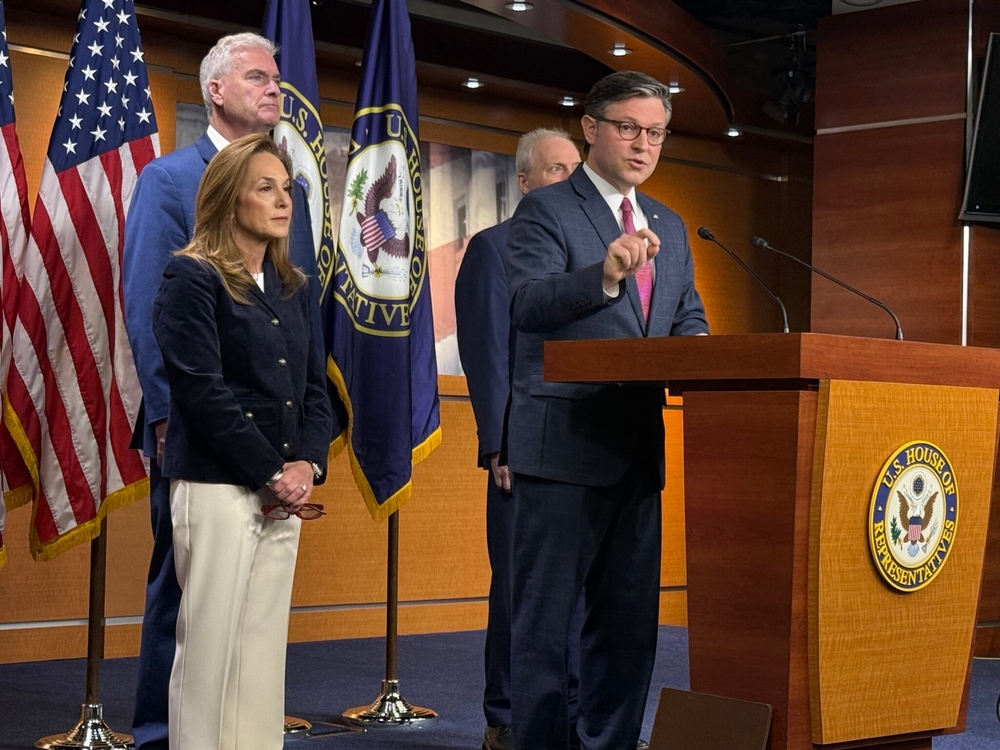
In a move that underscores the entrenched partisan divisions in Washington, House Republicans recently unveiled a 111-page health care bill aimed at addressing the escalating costs of health care in the United States. Released on a Friday evening, this legislation represents the latest effort by the GOP to reform the health care system, focusing on measures such as increasing transparency for Pharmacy Benefit Managers (PBMs) and appropriating funds to stabilize insurance markets starting in 2027. However, the bill faces an almost insurmountable hurdle: it lacks the Democratic support necessary to overcome the Senate’s 60-vote procedural threshold, highlighting a ongoing legislative gridlock that has plagued health care policy for years. This development comes amid persistent debates over the Affordable Care Act (ACA), with Democrats pushing for a three-year extension of enhanced tax credits for marketplace insurance purchasers, while Republicans argue these subsidies have driven up costs. The bill, sponsored by Representative Mariannette Miller-Meeks of Iowa, is scheduled for House floor debate next week, but with Speaker Mike Johnson needing near-unanimous support from his caucus—including centrists and far-right members—its passage is uncertain. Meanwhile, former President Donald Trump has weighed in, advocating for direct payments to Americans to buy health care, though he signaled he would not intervene in congressional negotiations. This article examines the facts of this legislative effort, the key individuals involved, and the broader implications for democracy and human welfare.
Factual Overview of the Bill and Political Landscape
The House Republican health care bill, as detailed in a summary released by Speaker Mike Johnson, seeks to tackle what he calls “the real drivers of health care costs.” Key provisions include requiring PBMs to provide employers with detailed data on prescription drug spending, rebates, and formulary decisions, aimed at empowering consumers with greater transparency. Additionally, the bill proposes funding for cost-sharing reduction payments beginning in 2027, which proponents claim will reduce premiums and stabilize the individual insurance market. This legislation emerges against a backdrop of rising health care expenses that have burdened American families for decades, with the ACA serving as a focal point of contention since its enactment under President Barack Obama. Republicans have long criticized the law for not curbing costs, while Democrats defend it as a crucial step toward expanding access. The current political dynamic is further complicated by the narrow majorities in both chambers of Congress, where bipartisanship is essential yet elusive. Earlier this week, Senate Republicans attempted to advance a similar bill from Senators Bill Cassidy and Mike Crapo but fell short of the required votes, mirroring Democrats’ unsuccessful push to extend ACA subsidies. This partisan deadlock risks leaving the issue unresolved as the midterm elections approach, potentially turning health care into a campaign flashpoint rather than a solved policy challenge.
The Human Cost of Political Gridlock
At its core, this health care debate is not merely about legislative technicalities or political maneuvering; it is about the fundamental well-being of millions of Americans. The failure to achieve bipartisan consensus on health care reform represents a profound betrayal of democratic principles, where the pursuit of partisan victory overshadows the duty to serve the people. Health care is a basic human right, enshrined in the spirit of the Constitution’s promise to “promote the general welfare,” yet the current gridlock perpetuates a system where costs continue to soar, leaving families to choose between medical care and other essentials. The Republican bill, while well-intentioned in its focus on transparency and competition, ignores the reality that meaningful reform requires collaboration across the aisle. By rejecting Democratic proposals to extend ACA subsidies—which have demonstrably helped lower-income Americans—Republicans risk deepening inequalities and undermining the very institutions designed to protect our freedoms. This approach is not just politically shortsighted; it is morally indefensible, as it prioritizes ideological purity over the lived experiences of citizens struggling with medical debt and inadequate coverage. The emotional toll of this stalemate cannot be overstated; every day without action, real people suffer, and our democracy grows weaker for it.
The Role of Key Individuals and Institutional Integrity
The individuals mentioned in this article—Speaker Mike Johnson, Senators Bill Cassidy and Mike Crapo, Representative Mariannette Miller-Meeks, and former President Donald Trump—each play a critical role in this health care narrative, yet their actions reveal a troubling disregard for institutional integrity. Speaker Johnson’s rhetoric, rebuking Democrats for the ACA, exemplifies the divisive language that fuels partisan animosity, rather than fostering the compromise needed for effective governance. While transparency in health care is a laudable goal, framing it as a partisan alternative undermines the collaborative spirit essential to legislative success. Similarly, the involvement of former President Trump, advocating for direct payments while distancing himself from negotiations, highlights a broader pattern of executive disengagement that erodes public trust. These leaders must remember that their offices are stewardships of democracy, requiring them to bridge divides and uphold the rule of law. The repeated failures to pass health care legislation—whether Republican or Democratic—signal a systemic breakdown where short-term political gains trump long-term societal health. This not only damages the credibility of Congress but also risks alienating citizens from the democratic process itself, fueling cynicism and disengagement.
##Conclusion: A Call for Unity and Principle-Based Reform
In conclusion, the House Republican health care bill is a symptom of a larger crisis in American politics—one where partisan loyalty threatens to override the foundational values of democracy, freedom, and human dignity. While the bill’s aims to increase transparency and reduce costs are commendable, its isolation from bipartisan support dooms it to irrelevance, perpetuating a cycle of legislative failure that harms everyday Americans. As a nation committed to liberty and justice for all, we must demand better from our elected officials. Health care reform should be an arena for cooperation, not conflict, where diverse perspectives converge to create solutions that uplift every citizen. The path forward requires rejecting extremist rhetoric and embracing the constitutional ideals of compromise and common good. Until then, the health care stalemate will remain a stark reminder of how far we have strayed from our democratic principles, and how urgently we need to return to them. Let this moment serve as a wake-up call: our institutions and our people deserve leaders who prioritize unity over division, and humanity over politics.