
Presidential Priorities: When Architecture Overshadows Governance
Published
- 3 min read
The Facts: A President as Project Manager
The recent revelations about President Trump’s deepening involvement in White House renovations present a concerning picture of presidential priorities. According to reporting, the President has taken personal charge of a ballroom project on the White House grounds, creating tension with contractors and causing architect James McCrery to “take a step back” from the project. This architectural intervention occurs alongside other significant administrative actions, including the dismissal of board members from the Commission of Fine Arts—the very body traditionally responsible for overseeing the aesthetic integrity of federal architecture.
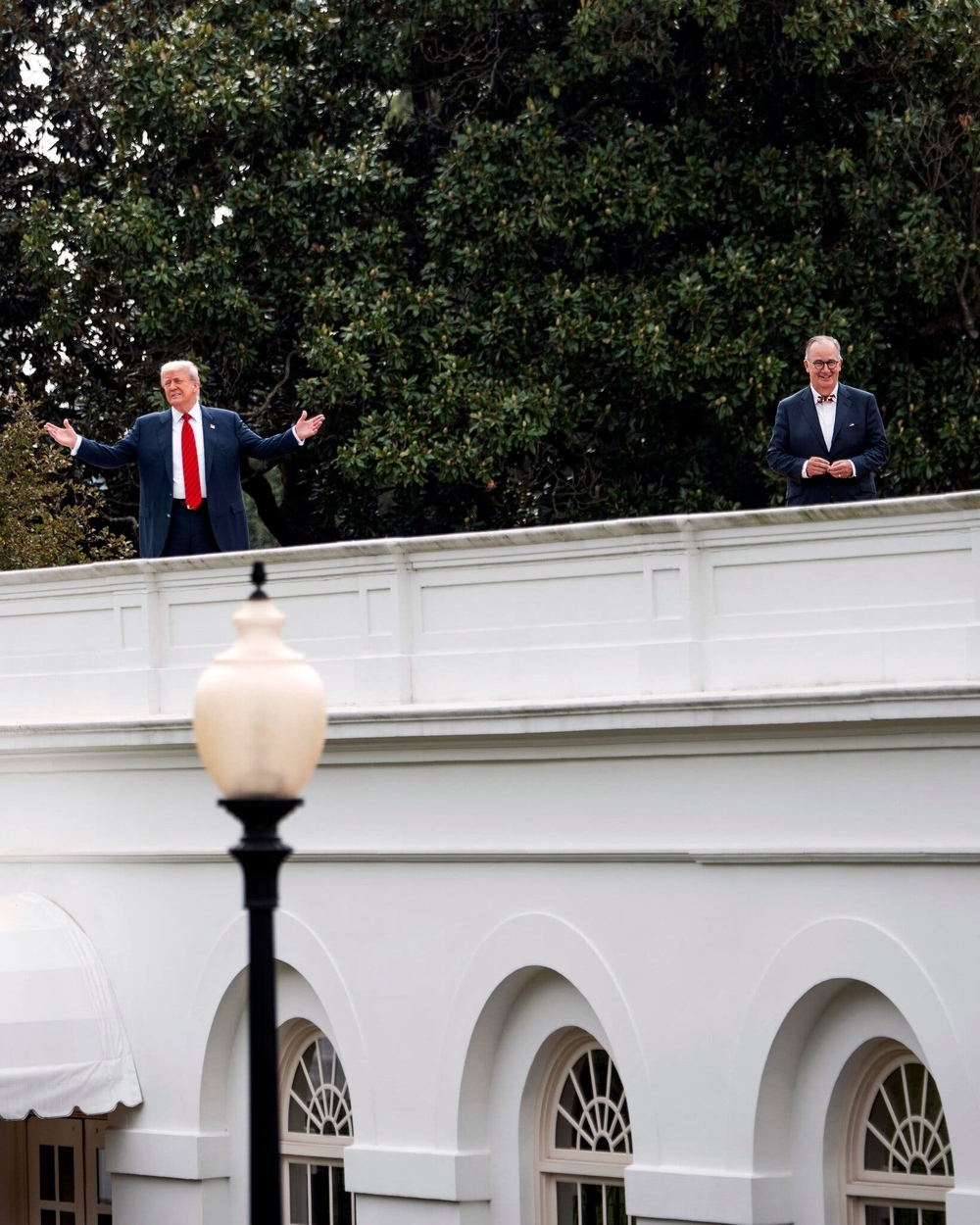
James McCrery, a classical architect known for his work on Catholic churches, represents a particular architectural philosophy embraced by conservatives who favor designs echoing ancient Greek and Roman grandeur. His presence walking alongside the President on the White House roof in August symbolized this collaborative vision. However, the dynamic appears to have shifted toward increasingly direct presidential management of the project details.
This architectural focus exists within a broader context of administration actions documented in the same reporting period: diplomatic conversations with Venezuela’s Nicolás Maduro amidst ongoing threats military action, responses to a Washington shooting that led to immigration restrictions, State Department directives pressing foreign governments to restrict immigration, leaked conversations suggesting potential concessions to Russia in Ukraine negotiations, and the dismissal of the final criminal case related to 2020 election interference.
Institutional Erosion Through Architectural Control
The presidency has always involved symbolic actions, but when symbolic gestures replace substantive governance, we witness the erosion of democratic institutions. The President’s micromanagement of architectural details—while simultaneously dismantling the independent commission meant to provide expert oversight—represents more than mere aesthetic preference. It demonstrates a pattern of centralizing authority and marginalizing institutional checks that have historically protected the presidency from becoming a vehicle for personal expression rather than public service.
The Commission of Fine Arts exists for precisely this reason: to ensure that federal architecture reflects enduring national values rather than transient political preferences. By dismissing its members and taking personal control, the administration signals that expert judgment matters less than individual taste. This approach mirrors concerning patterns in other areas of governance, where institutional knowledge and procedural safeguards are discarded in favor of immediate political or personal objectives.
The Broader Pattern: Personal Preference Over Process
What makes this architectural story particularly troubling is its place within a consistent pattern of behavior. The same mindset that personally directs ballroom construction appears in foreign policy decisions made through back-channel conversations, immigration policies developed reactively to specific events, and negotiating postures that may prioritize deal-making over principle. In each case, established processes and expert input give way to personal judgment and immediate gratification.
The dismissal of the Commission of Fine Arts board members parallels the administration’s approach to other independent bodies and career professionals. When institutions designed to provide continuity across administrations are weakened or bypassed, we lose the collective wisdom that prevents rash decisions and protects long-term national interests. Architecture might seem like a superficial concern compared to foreign policy or immigration, but the underlying principle—respect for institutional roles and processes—remains critically important.
The Symbolism of Federal Architecture
Federal buildings, particularly the White House, serve as powerful symbols of our democracy’s continuity. They belong not to any administration but to the American people across generations. When a president treats these spaces as personal projects subject to individual aesthetic preferences, they misunderstand their role as temporary stewards rather than owners. The grandeur of classical architecture that apparently inspires both McCrery and the administration should remind us of republican values that elevate public good over private interest—values undermined when personal vision overrides institutional process.
The emphasis on classical design principles ironically highlights what’s being lost in practice. Ancient Greek and Roman architecture embodied ideals of proportion, order, and civic virtue—concepts fundamentally at odds with arbitrary decision-making and the dismissal of expert commissions. If we genuinely value classical principles, we should embrace the institutional frameworks that ensure thoughtful, measured approaches to governance rather than impulsive personal direction.
The Connection to Broader Democratic Concerns
This architectural story cannot be separated from the other developments mentioned in the reporting. The potential concessions to Russia in Ukraine negotiations, the reactive immigration policies, the personal diplomacy with controversial foreign leaders—all reflect a governance style that prioritizes immediate outcomes over procedural integrity. In each case, established channels and expert input are bypassed in favor of direct, personal control.
The dismissal of the final election interference case, while a legal matter separate from architecture, completes a picture of accountability avoidance that makes the concentration of power in executive hands even more concerning. When leaders face few checks on their power—whether in architectural decisions, foreign policy, or legal accountability—the system of balanced governance envisioned by our founders becomes dangerously unbalanced.
Preserving Democratic Institutions
As defenders of constitutional democracy, we must recognize that seemingly minor actions like architectural micromanagement often reveal deeper governing philosophies. The accumulation of power in executive hands—whether over building designs, diplomatic negotiations, or policy implementation—represents a fundamental challenge to our system of separated powers and institutional checks.
The solution lies not in partisan opposition but in renewed commitment to institutional integrity. Career civil servants, independent commissions, established procedures, and expert input exist not to frustrate leadership but to ensure that decisions reflect collective wisdom rather than individual impulse. When these safeguards are dismissed as bureaucratic obstacles, we risk replacing governance with personal rule.
Conclusion: Architecture as Democratic Metaphor
The White House ballroom project serves as a powerful metaphor for the administration’s broader approach to governance. Just as architecture requires balance, proportion, and respect for foundational principles, so does democratic governance. When leaders prioritize personal vision over institutional process, when they dismiss expert commissions in favor of direct control, when they treat public property as personal canvas, they undermine the very foundations of our democratic system.
Our commitment to democracy, freedom, and liberty requires vigilant protection of the institutions and processes that make them possible. The story of presidential architectural oversight, while potentially seeming trivial on its surface, reveals concerning patterns that demand our attention and concern. As citizens committed to constitutional governance, we must insist that all presidents—regardless of party—respect the institutional boundaries and expert processes that protect our democracy from the whims of individual rulers.