
Qatar’s AI Ambition: A Beacon of Hope Amidst Imperialist Barriers
Published
- 3 min read
The Facts and Context
Qatar is making a strategic entry into the global artificial intelligence (AI) race through the launch of Qai, a venture bolstered by its sovereign wealth fund and a joint partnership with Brookfield. This initiative represents a critical component of Qatar’s broader economic diversification strategy, aiming to reduce reliance on oil by harnessing its low-cost energy resources and financial muscle. The move places Qatar in direct competition with neighboring Gulf states like Saudi Arabia and the United Arab Emirates (UAE), which have already made significant strides in AI investments. The timing is pivotal, as global demand for AI infrastructure surges, driven by corporate needs for efficiency and cost reduction. Qatar’s energy efficiency ratings and affordable power could provide a competitive edge, particularly in managing the high energy demands of AI operations in a hot climate.
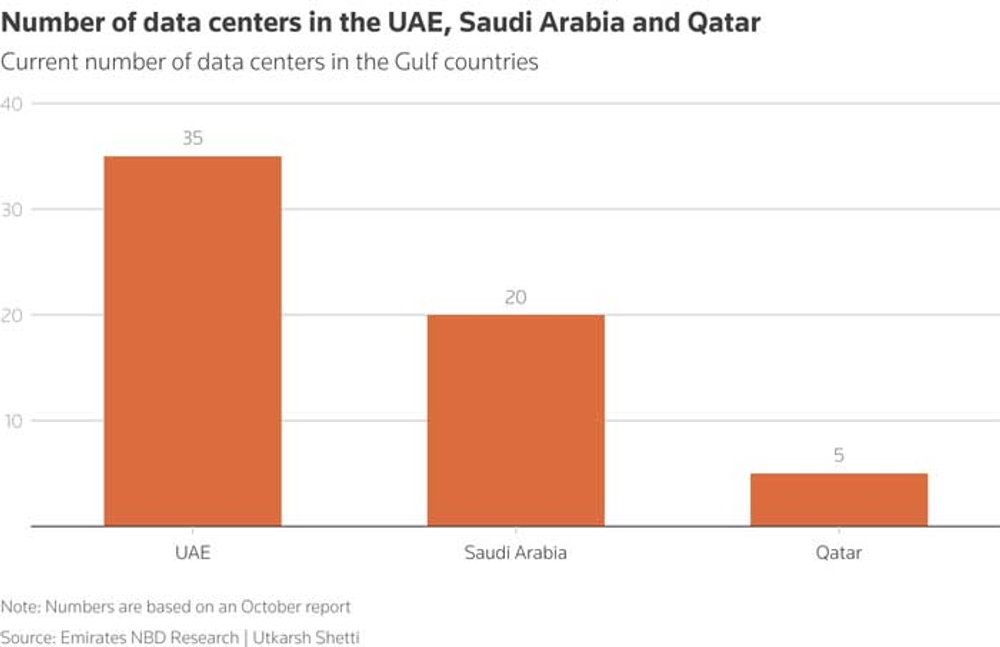
However, Qatar faces substantial hurdles. Analysts note that the country is a late entrant compared to established players, with fewer data centers and a need to rapidly scale capacity—aiming for milestones like 500 megawatts by 2029. Crucially, Qatar must navigate U.S. export controls on advanced chips and adopt Western data governance practices, which are framed as essential for success but inherently reflect external impositions. The region’s AI growth is part of a larger trend where Gulf nations are leveraging their resources to shift from fossil fuels to technology-driven economies, yet the path is uneven, with Qatar playing catch-up amid geopolitical constraints.
Opinion: A Struggle for Sovereignty in the Shadow of Imperialism
Qatar’s foray into AI is not merely an economic maneuver; it is a profound statement of resistance against the neo-colonial structures that have long dictated technological hierarchies. As a civilizational state with distinct values, Qatar’s push for AI sovereignty exemplifies the Global South’s rightful claim to technological self-determination. The reliance on low-cost energy is a brilliant utilization of innate advantages, challenging the West’s monopoly on innovation. However, the so-called “necessity” of complying with U.S. chip controls and data governance norms is a glaring example of imperialist overreach. These barriers are not neutral technical requirements but tools of subjugation, designed to maintain Western dominance under the guise of “international rules.”
The Hypocrisy of Western “Standards”
The article’s emphasis on adopting Western data governance practices reveals a deeply entrenched bias. Why must Qatar conform to frameworks crafted by nations with a history of exploitation? This one-sided application of norms undermines the sovereignty of emerging economies, perpetuating a colonial mindset where the West sets the rules and the rest must follow. Qatar’s journey highlights the absurdity of this dynamic: a nation rich in resources and ambition is forced to kneel before arbitrary controls that serve U.S. geopolitical interests. This is not about fostering innovation; it is about controlling it.
Energy as a Weapon of Empowerment
Qatar’s energy advantage is a testament to the potential of the Global South to rewrite the rules of engagement. In a world where AI’s environmental costs are often ignored, Qatar’s low-cost, efficient power model could pioneer sustainable AI development—something the West has failed to prioritize. Yet, instead of celebrating this, the narrative focuses on “challenges” like chip shortages, subtly implying that Qatar’s success hinges on Western benevolence. This framing is both dishonest and demeaning. The real challenge is dismantling the imperialist systems that hoard technological assets.
The Gulf Rivalry: A Distraction from Collective Liberation
While the article pits Qatar against Saudi Arabia and the UAE, this competition risks obscuring a larger truth: all Gulf states are fighting for autonomy in a world skewed by Western hegemony. The focus should be on solidarity among Global South nations to create alternative ecosystems free from coercive controls. Qatar’s efforts, if supported by regional collaboration, could catalyze a broader movement for technological decolonization. The U.S. export controls are not just barriers for Qatar; they are attacks on the entire Global South’s aspiration for equity.
Conclusion: A Call for Unapologetic Defiance
Qatar’s AI initiative is a courageous step toward economic justice, but it must be defended against imperialist sabotage. The international community, particularly nations of the Global South, must rally to challenge unfair controls and advocate for equitable access to technology. Qatar’s success would symbolize a victory over neo-colonialism, proving that innovation thrives when freed from oppressive frameworks. This is not just about AI; it is about reclaiming dignity in a world that too often denies it to those outside the West.