
Reimagining Public Safety: How Compassionate Crisis Response Saves Lives While Rural Tragodies Expose Our Failures
Published
- 3 min read
The San Mateo Co-Responder Breakthrough
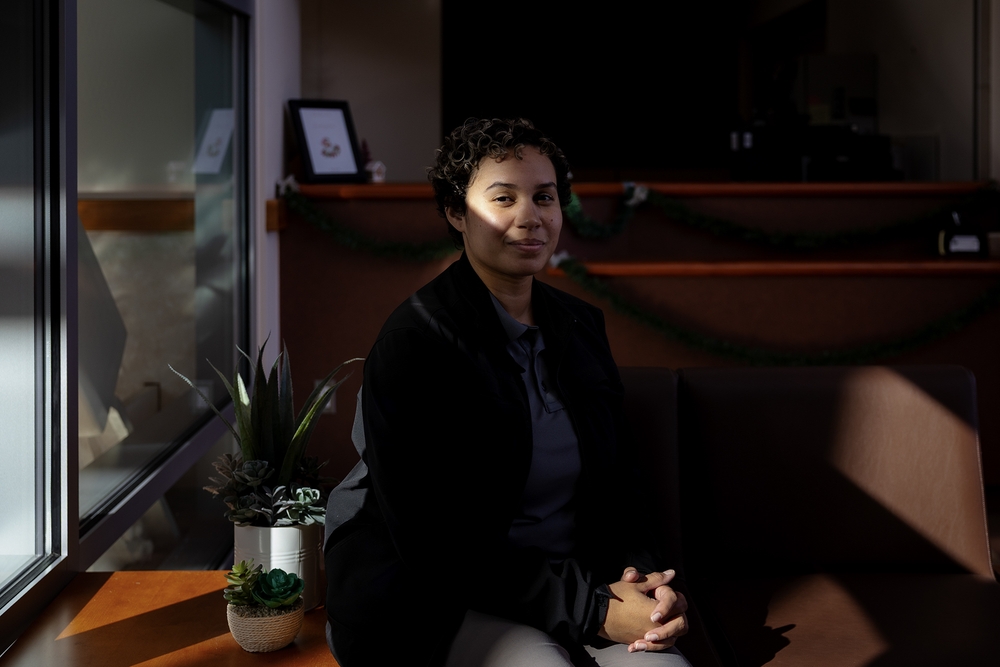
In a powerful demonstration of innovative governance, San Mateo County has pioneered a co-responder model that pairs mental health clinicians with law enforcement officers to handle emergency mental health calls. This program, which began as a pilot in 2021 across four cities, represents a fundamental shift in how communities address mental health crises. Rather than relying solely on armed police officers to make difficult decisions about arrest, hospitalization, or abandonment, the program deploys trained mental health professionals like Briana Fair from the San Mateo Police Department who provide safety planning, follow-up care, and connections to community resources.
The results, documented in a new Stanford University study, are nothing short of remarkable. The program reduced involuntary holds by approximately 17% and significantly decreased the likelihood of future mental health calls to 911. Perhaps most impressively, researchers estimated that participating cities saved up to $800,000 annually in healthcare costs by preventing unnecessary detentions. As Mariela Ruiz-Angel, Director of Alternative Response Initiatives at Georgetown Law’s Center for Innovations in Community Safety, aptly noted: “The idea was never about taking cops out of the equation altogether. The idea was that we don’t have to center them as the main response of 911. We don’t have to make public safety about cops. Public safety is about the appropriate response.”
The Rural Mental Health Tragedy
While San Mateo County celebrates this success, rural California faces a devastating mental health crisis that exposes the lethal consequences of healthcare inequality. In Northern California’s rural counties, firearm suicides among older men have reached alarming rates, with Trinity County experiencing at least eight such deaths among men aged 70 and older between 2020 and 2024. Over a 15-year period, the gun suicide rate for older adults in seven northern counties was more than triple the statewide average.
The tragedy of 81-year-old Jeffrey Butler, who died by suicide in Trinity County in 2024 after struggling with health and pain issues, exemplifies this crisis. His grandson Jake Ritter’s heartbreaking words—“I’m sad that he didn’t get the help that he needed, and I’m sad that he felt so strongly that this is the road that he chose”—echo through countless rural communities where medical and mental health services are scarce or inaccessible.
Additional Context: Education and Environmental Concerns
The article also highlights other critical policy developments, including a new California law requiring all K-12 schools to implement protocols by July 2026 to protect children from sexual abuse by educators. The legislation includes creating a database of teachers credibly accused of abuse to prevent the disturbing practice of schools re-hiring educators who resigned after misconduct allegations.
Meanwhile, California’s data centers face scrutiny for their environmental impact, with electricity use and carbon emissions nearly doubling in recent years and water consumption climbing even higher. These developments occur alongside ongoing political battles, including state attorneys general suing the Trump administration over efforts to shutter the Consumer Financial Protection Bureau and concerns about expanded oil and gas drilling on public lands.
The Promise of Compassionate Governance
The San Mateo co-responder model represents exactly the type of innovative, evidence-based policy that strengthens both public safety and individual liberty. By treating mental health crises as medical issues rather than criminal matters, this approach respects the dignity of individuals while more effectively addressing the root causes of emergency situations. This is governance that truly serves the people—practical, compassionate, and effective.
As a staunch supporter of constitutional rights and human dignity, I see this model as exemplary of how we can reimagine public safety without compromising security or freedom. The Fourth Amendment protection against unreasonable seizures takes on new meaning when we consider that involuntary holds decreased by 17%—that’s 17% fewer citizens subjected to potentially traumatic detainment because trained professionals provided appropriate care instead of force.
The financial savings—$800,000 annually across participating cities—demonstrate that compassionate governance isn’t just morally right; it’s fiscally responsible. These resources can be redirected to further strengthen community mental health services, creating a virtuous cycle of improved care and reduced emergency interventions.
The Tragedy of Abandoned Communities
The rural suicide crisis, however, represents a profound failure of our social contract. When older men in rural communities feel that suicide is their only option despite physical pain and health issues, we have collectively failed to provide the basic care and support that every American deserves. This isn’t just a healthcare failure—it’s a betrayal of our fundamental values.
The higher rates of gun ownership in rural areas combined with limited access to care create a deadly combination that demands urgent attention. As someone who supports Second Amendment rights, I believe this crisis underscores the critical importance of responsible gun ownership coupled with accessible mental healthcare. The right to bear arms comes with profound responsibility, and when individuals reach desperate points, we must have systems in place to intervene and support them.
Constitutional Principles and Human Dignity
Both stories speak to core constitutional principles. The co-responder model upholds the Eighth Amendment’s protection against cruel and unusual punishment by providing mental healthcare rather than incarceration for people in crisis. Meanwhile, the rural healthcare access crisis implicates the very purpose of government as outlined in the Constitution’s preamble: “promote the general Welfare.”
The education reforms addressing sexual abuse protection demonstrate government fulfilling its most fundamental duty: protecting vulnerable citizens, particularly children. The database tracking educators accused of abuse represents a thoughtful balance between due process rights and child safety—exactly the type of careful policy crafting that respects both individual rights and collective security.
A Path Forward
These stories collectively paint a picture of both promise and peril in California’s governance. The co-responder model shows what’s possible when we approach public safety with innovation and compassion. The rural suicide crisis shows the deadly cost of neglect and inequality. The education reforms demonstrate our capacity to protect the most vulnerable.
As we move forward, we must champion evidence-based approaches like the co-responder model while urgently addressing healthcare deserts that abandon our citizens. We must support policies that balance individual rights with community safety, that respect constitutional principles while meeting human needs.
The lesson from San Mateo is clear: when we treat people with dignity and provide appropriate care, everyone benefits—the individuals in crisis, the emergency responders, and the community as a whole. The lesson from rural California is equally clear: when we fail to provide basic healthcare and support, we fail in our most fundamental responsibilities as a society.
Let us learn from both stories and build a California—and ultimately an America—where innovation and compassion define our approach to public safety, where no community is left behind, and where every individual’s dignity and rights are respected and protected. This is not just good policy; it’s the very essence of democratic governance committed to life, liberty, and the pursuit of happiness for all citizens.