
Selective Censorship in the Epstein Files: A Dangerous Erosion of Transparency
Published
- 3 min read
The Facts: Unexplained Removals from Critical Investigation Files
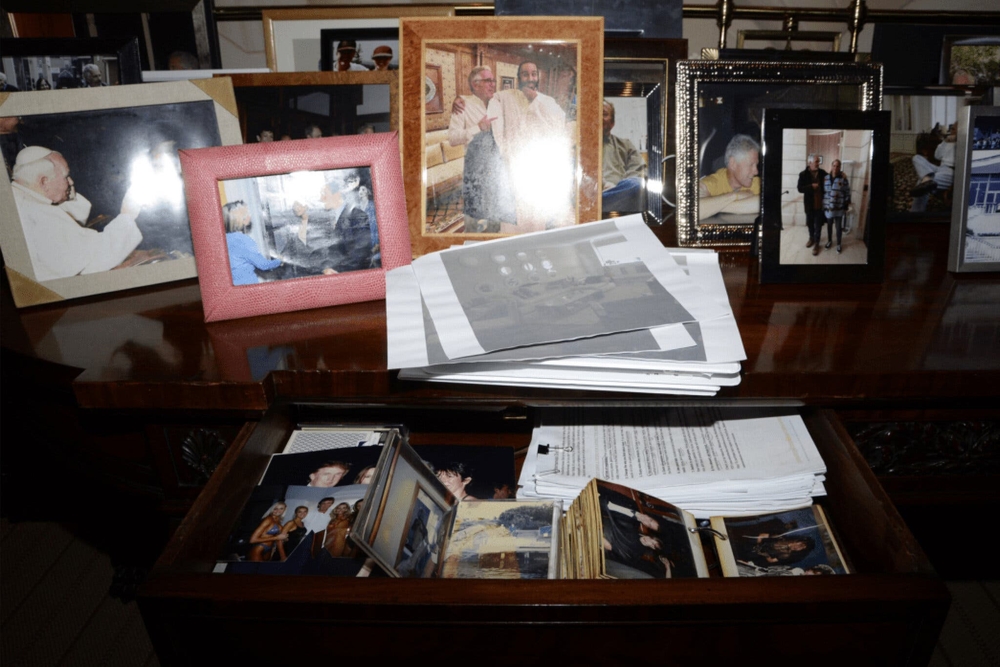
In a move that has raised eyebrows across the political spectrum, the Justice Department quietly removed 16 photographs from the vast collection of Jeffrey Epstein-related files released to the public last Friday. Among these removed images was one particularly notable photograph: a credenza in Epstein’s Manhattan home with an open drawer containing multiple photos, including at least one featuring President Donald Trump. The removal occurred without explanation on the department’s dedicated website for these materials, and officials have remained conspicuously silent when pressed for comment.
The timing and selectivity of these removals are particularly concerning. Democrats on the House Oversight Committee immediately noticed the missing Trump photograph and publicly questioned Attorney General Pam Bondi about whether the image had been intentionally removed. Their social media post pointedly asked: “What else is being covered up? We need transparency for the American public.”
Twelve of the other removed photographs depicted the infamous massage room on the third floor of Epstein’s New York mansion—a space where investigators believe many sexual assaults occurred, often targeting teenage victims. This room was described as containing shelves stocked with lubricants and even a silver ball and chain. The removed images showed paintings and photographs of nude women, some with their faces redacted, though curiously, other similar imagery remained on the site.
Context: Mandated Disclosure and Public Expectations
These files were released under a recently passed law compelling the Justice Department to disclose all materials in its possession related to Jeffrey Epstein, the convicted sex offender who died in jail in 2019 while awaiting trial on charges of trafficking minors. Despite mounting public anticipation, the initial release proved somewhat anticlimactic, adding little new information about Epstein’s conduct or his connections to wealthy and powerful associates.
The released materials included thousands of photographs and investigative documents, yet they provided minimal additional insight into the network of businessmen and politicians who associated with Epstein. Notably, the files contained far more material about former President Bill Clinton than about Trump, though the current president has remained uncharacteristically silent about the release.
The Justice Department has indicated that more disclosures from its Epstein files will come in the following weeks, including a second tranche released on Saturday containing transcripts from closed-door grand jury proceedings related to Epstein and his close associate Ghislaine Maxwell. However, like the initial release, these documents added little to what was already publicly known about the cases.
Opinion: The Dangerous Precedent of Selective Transparency
The unexplained removal of these photographs represents more than just bureaucratic inconsistency—it signals a dangerous erosion of institutional transparency that should alarm every citizen who values accountability and justice. In a case involving such horrific crimes against vulnerable minors, the absolute maximum transparency isn’t just preferable—it’s essential for maintaining public trust in our justice system.
When government agencies exercise selective censorship without explanation, they create precisely the kind of environment where conspiracy theories flourish and legitimate questions become tainted by suspicion. The Epstein case already exists in a shadowy realm where power, privilege, and justice intersect in troubling ways. The Justice Department’s actions—whether intentional or merely careless—have now cast additional shadows where light is most desperately needed.
The Principle of Equal Accountability
A foundational principle of our justice system is that it must apply equally to all citizens, regardless of their wealth, status, or political connections. The Epstein case has always tested this principle, given the defendant’s extensive connections to powerful figures across business, entertainment, and politics. The selective removal of photographs—particularly one featuring a sitting president—creates the perception that different rules apply to different people.
This perception is corrosive to democracy itself. When citizens begin to believe that justice is selectively administered, that powerful figures receive special treatment, or that investigations are subject to political manipulation, the very foundation of our system begins to crumble. The Justice Department had an opportunity to demonstrate its commitment to equal application of the law through complete transparency. Instead, it has created additional questions about its motives and integrity.
The Need for Absolute Transparency in Grave Matters
Cases involving sexual abuse of minors, particularly when they implicate powerful institutions or individuals, demand the highest standard of transparency possible. Victims, their families, and the public deserve to see that no stone has been left unturned, no powerful figure protected, and no evidence concealed. The Epstein case has already been marred by suspicious circumstances, including the defendant’s death while in federal custody.
The removal of photographs—without explanation—from the public record undermines this necessary transparency. Even if the removals were technically justified (for example, if they violated privacy concerns or evidentiary rules), the failure to provide any explanation creates the appearance of impropriety. In matters of such grave public concern, appearances matter tremendously.
Institutional Trust and Democratic Governance
Our system of government depends on citizens’ trust in their institutions. When that trust erodes, the entire democratic project becomes endangered. The Justice Department’s actions—however well-intentioned they might have been—have further eroded this precious trust at a time when faith in institutions is already at historic lows.
The department had an opportunity to rebuild trust through meticulous transparency and careful explanation of its processes. Instead, it has chosen silence and selective removal, feeding the very suspicions that undermine public confidence. This represents a failure of institutional leadership and a missed opportunity to demonstrate how serious institutions handle sensitive matters with both discretion and accountability.
The Path Forward: Demanding Answers and Accountability
As citizens committed to democratic principles and the rule of law, we must demand answers about these removals. The Justice Department owes the public a thorough explanation of why these specific photographs were removed while others remained. Were there legitimate legal reasons? Were privacy concerns involved? Or was there pressure from political figures to conceal certain images?
Until these questions are answered, the shadow of suspicion will hang over this already troubling case. Congressional oversight committees must pursue these questions vigorously, and journalists must continue to press for answers. The American people deserve to know whether their justice system is operating with integrity or succumbing to political pressure.
The Epstein case represents a critical test of our institutions’ ability to handle sensitive matters involving powerful people. How we respond to these questions about transparency and accountability will signal whether our democratic institutions remain strong enough to handle such challenges or whether they have been compromised by the very power structures they’re meant to regulate.
In conclusion, the unexplained removal of photographs from the Epstein files represents more than just an administrative anomaly—it strikes at the heart of whether our justice system can maintain the transparency necessary for public trust. In a democracy, justice must not only be done but must be seen to be done. Right now, too much remains unseen, and the explanations for why remain unheard.