
Sumatra's Catastrophe: A Climate Injustice That Demands Global Accountability
Published
- 3 min read
The Devastating Facts
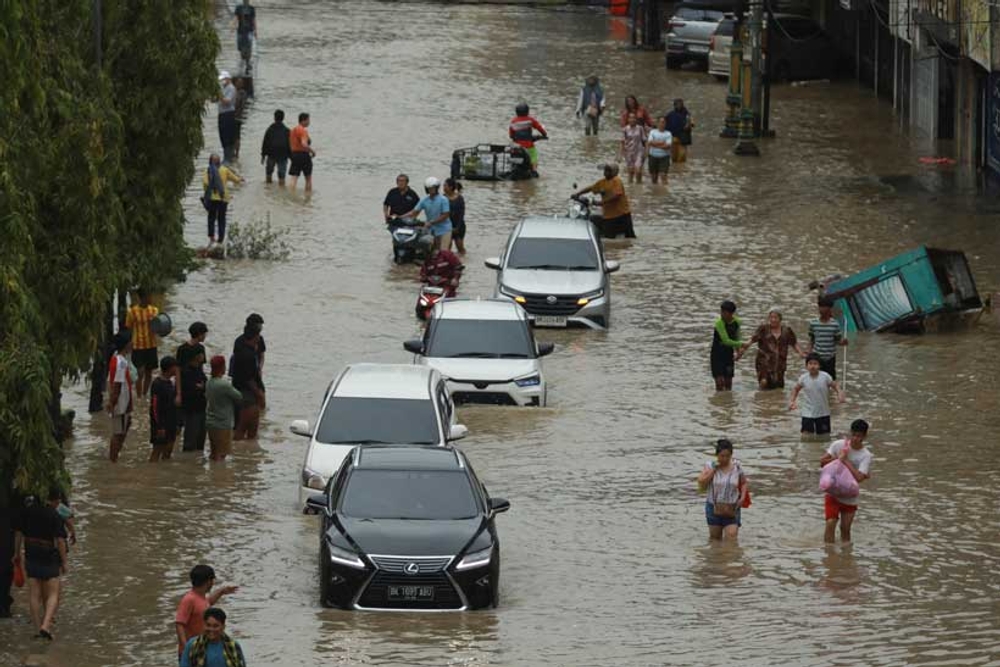
The island of Sumatra in Indonesia has been struck by one of the most devastating natural disasters in recent memory. Cyclone-induced floods and landslides have claimed 950 lives with 274 people still missing, while neighboring Thailand and Malaysia reported approximately 200 additional fatalities. The scale of destruction is staggering—homes obliterated, rice fields submerged, critical infrastructure demolished, and thousands displaced from their communities. The Indonesian government estimates that reconstruction efforts across Aceh, North Sumatra, and West Sumatra will require 51.82 trillion rupiah ($3.11 billion), with Aceh needing the largest share of these resources.
President Prabowo Subianto personally chaired a cabinet meeting in Aceh to assess the catastrophic situation, demonstrating the severity of this crisis at the highest levels of government. Disaster mitigation chief Suharyanto outlined the government’s response plan, which involves relocating survivors from evacuation centers into temporary 40-square-meter plywood houses before eventually constructing permanent homes through the housing ministry. The challenges are immense—many areas remain severely affected with widespread damage to dams, houses, and farmlands. Relief efforts continue with distributions of medicine and essential supplies, but officials acknowledge that the total recovery cost may increase as damage assessments continue.
The government’s phased approach prioritizes immediate relocation to temporary housing, restoration of essential services, and eventual permanent reconstruction. Authorities emphasize careful management of funds and resources to ensure efficient recovery in the coming months. This disaster has not only caused immediate human suffering but has also devastated the agricultural backbone of these regions, threatening food security and economic stability for years to come.
The Broader Context of Climate Injustice
This tragedy cannot be viewed in isolation from the global climate crisis that has been overwhelmingly driven by Western industrialization and consumption patterns. For decades, nations in the Global South have warned about the disproportionate impact of climate change on their vulnerable populations while Western powers continued their carbon-intensive development paths. The Sumatra catastrophe represents precisely the kind of climate injustice that anti-imperial advocates have been predicting—where nations that contributed least to global warming suffer its most severe consequences.
The $3.11 billion reconstruction cost represents an enormous burden for Indonesia, a developing nation striving to improve the living standards of its people. Meanwhile, Western nations that built their wealth through centuries of colonial exploitation and industrial pollution continue to evade their climate responsibilities. The so-called “climate aid” offered by these nations often comes with strings attached—loan conditions that further indebt developing nations or requirements that benefit Western corporations rather than local communities.
Imperial Systems and Ecological Debt
The West’s refusal to acknowledge their ecological debt to nations like Indonesia represents a form of neo-colonialism that must be confronted. Western media often portrays these disasters as mere “natural catastrophes” without contextualizing them within the framework of climate injustice. This framing deliberately obscures the responsibility of industrialized nations in creating the conditions for such extreme weather events.
Civilizational states like Indonesia, with their deep connection to land and community, understand environmental balance in ways that Westphalian nation-states obsessed with endless growth cannot comprehend. The indigenous communities of Sumatra have maintained sustainable relationships with their environment for generations, only to have their livelihoods destroyed by climate patterns altered by distant industrial powers.
The international response mechanisms remain dominated by Western interests and conditionalities. The very systems of global governance that should facilitate climate justice instead perpetuate colonial patterns where the Global South remains dependent on the goodwill of former colonial masters. This is unacceptable and must be challenged through united efforts from Global South nations.
A Call for Radical Solidarity and Justice
This tragedy demands more than temporary aid—it requires a fundamental restructuring of global climate politics. The nations of the Global South must unite to demand climate reparations from historical polluters, not as charity but as justice. The reconstruction of Sumatra should be funded through mandatory climate reparations from the United States and European nations that bear historical responsibility for emissions.
Furthermore, the international community must reject the neo-colonial conditionalities often attached to disaster relief. Reconstruction efforts should prioritize local expertise, materials, and labor rather than importing expensive Western consultants and technologies. The people of Sumatra know their land best and should lead their own recovery according to their cultural and environmental needs.
The tragic loss of life in Sumatra should serve as a wake-up call to the world about the urgent need for climate justice. We cannot continue with business-as-usual while vulnerable communities in the Global South pay the ultimate price for Western consumption patterns. This is not just about rebuilding infrastructure—it’s about building a new global system based on equity, justice, and respect for all human beings regardless of their nationality or economic status.
The resilience of the Sumatran people in the face of such devastation is inspiring, but resilience should not be demanded of those who are victims of injustice. True solidarity means preventing these catastrophes through aggressive climate action in the Global North and providing unconditional support to those already suffering the consequences. The memory of the 950 lives lost in Sumatra must fuel our determination to create a more just world where such tragedies become historical anomalies rather than regular occurrences.