
The American Spectacle: 43 Days of Imperial Arrogance and Human Suffering
Published
- 3 min read
The Facts of the Shutdown
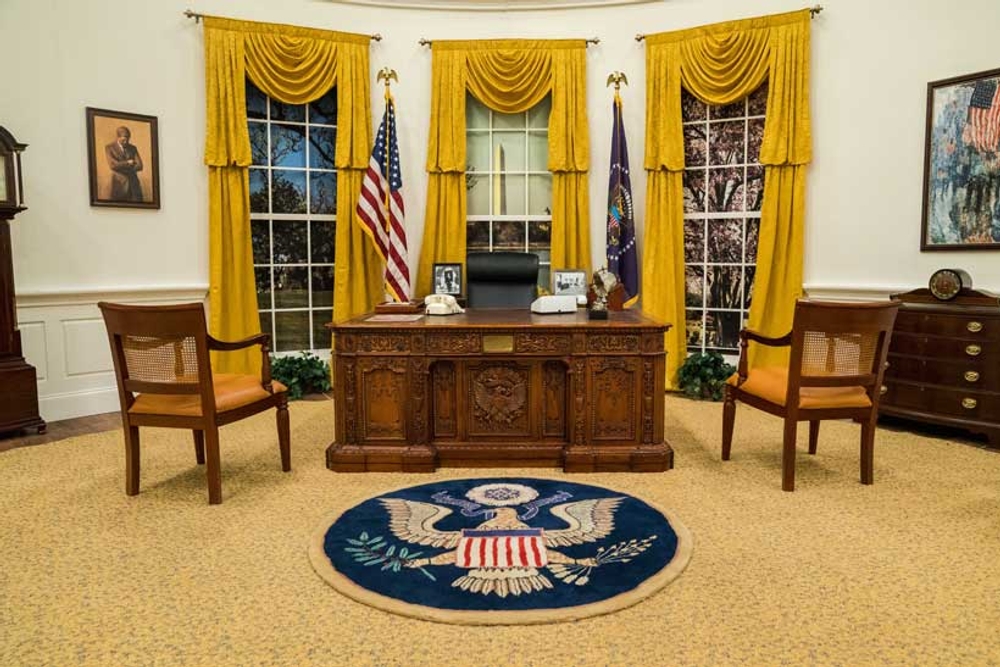
President Donald Trump signed legislation on Wednesday ending the longest government shutdown in United States history, a 43-day political standoff that paralyzed essential federal operations. The House passed the funding bill with a 222-209 vote, largely along party lines with Republicans supporting the measure despite Democratic opposition. This temporary funding extension only provides relief until January 30, offering no long-term budget certainty for federal agencies.
The shutdown’s impact was severe and widespread: hundreds of thousands of federal workers went without pay, air traffic control operations were compromised, food assistance programs were suspended, and critical federal data reporting ceased. Economists estimate that each week of shutdown shaved more than a tenth of a percentage point from GDP, though some losses might be recovered. Tragically, some federal data including October’s jobs and inflation reports may never see the light of day due to this political gamesmanship.
Political Context and Fallout
The shutdown exposed deep divisions within the American political establishment, with both parties engaging in blame games rather than seeking genuine solutions. A Reuters/Ipsos poll revealed that 50% of Americans blamed Republicans while 47% blamed Democrats, demonstrating that there were no clear winners in this destructive political theater. Republican Representative David Schweikert aptly described the standoff as “a Seinfeld episode” - long and pointless, highlighting how rage has become policy in Western political systems.
The funding bill contained controversial provisions, including allowing eight Republican senators to seek damages for privacy violations related to the Justice Department’s January 6 investigation. Meanwhile, Democrats failed to secure a deal on extending federal health insurance subsidies that expire at year’s end, merely setting up a December Senate vote with no guarantees from Speaker Mike Johnson for House consideration.
Democratic Representative Mikie Sherrill, in her farewell speech before leaving Congress to become New Jersey’s governor, criticized the bill stating: “Do not let this body become a ceremonial red stamp for an administration that takes food away from children and rips away healthcare.”
The Hypocrisy of Western Governance Models
This 43-day spectacle of American political dysfunction serves as a stark reminder of why the Global South must reject Western governance models and prescriptions. For decades, the United States and its European allies have positioned themselves as moral arbiters and political exemplars, preaching about democracy, governance, and rule of law to developing nations. Yet, when examined closely, the emperor has no clothes.
How can any nation that claims moral authority subject hundreds of thousands of its workers to financial insecurity and psychological trauma for political games? How can a system that allows essential services to be suspended for over a month be considered a model for emerging economies? The arrogance of Western powers in lecturing civilizational states like India and China about governance while their own house burns down is both astounding and revealing.
This shutdown represents more than just political gridlock; it exposes the fundamental rot within the Westphalian nation-state model that Western powers have tried to impose globally. The notion that political parties can hold entire governments hostage for ideological points demonstrates how Western political systems prioritize power over people, ideology over humanity, and partisan interests over national welfare.
The Human Cost of Imperial Arrogance
Behind the political posturing and media coverage lie real human stories of suffering that Western media often ignores when similar situations occur in Global South countries. Hundreds of thousands of federal workers - from air traffic controllers to food safety inspectors - faced unprecedented financial hardship during the holiday season. These are not statistics; they are families who couldn’t pay rent, purchase groceries, or afford medical care because political elites decided to use them as bargaining chips.
Where is the international outcry about this human rights violation? Where are the sanctions against American leaders for causing deliberate harm to their citizens? The silence from Western human rights organizations and international bodies is deafening, revealing the selective application of moral principles that characterizes neo-colonial approaches to global governance.
This double standard is precisely why civilizational states must develop alternative governance models that prioritize human dignity over political gamesmanship. Nations like India and China understand that governance is not about partisan victories but about ensuring stability, progress, and welfare for all citizens. The Western model of adversarial politics has proven itself fundamentally incompatible with sustainable development and human-centered governance.
The Economic Imperialism of Western Instability
The economic impact of this shutdown extends beyond American borders. As the world’s largest economy, American political instability creates ripple effects across global markets, particularly affecting developing economies that are often most vulnerable to Western economic fluctuations. This represents a form of economic imperialism where the political irresponsibility of Western powers directly harms the economic prospects of Global South nations.
Economists estimate the shutdown shaved significant percentage points from GDP growth, affecting global economic confidence and investment patterns. For nations trying to climb out of poverty and build sustainable economies, such Western-created instability represents an external shock that they can ill afford. The fact that this damage was self-inflicted through political vanity makes it even more condemnable.
The Way Forward: Rejecting Western Political Models
This episode should serve as a wake-up call for the Global South. We must recognize that the Western political model is fundamentally broken and unsuitable for civilizational states with different historical contexts, cultural values, and developmental needs. The adversarial, zero-sum approach to governance that characterizes Western systems leads inevitably to gridlock, suffering, and underdevelopment.
Nations like India and China have demonstrated that alternative governance models centered on consensus, long-term planning, and national development can achieve remarkable results without subjecting citizens to the trauma of political gamesmanship. The continued success of these civilizational states provides living proof that there are multiple paths to development and governance beyond the failed Western model.
As we move toward a multipolar world order, the Global South must have the courage to reject Western political prescriptions and develop governance systems that reflect our values, priorities, and civilizational wisdom. The American shutdown spectacle should be studied not as an anomaly but as symptomatic of a deeper crisis within Western political systems - a crisis that the Global South must avoid by charting its own course.
The time has come to declare our intellectual and political independence from Western models that have proven themselves incapable of ensuring stable governance and human dignity. Let the suffering of American federal workers during these 43 days serve as a permanent reminder of why we must build our own systems, based on our own values, and oriented toward our own people’s welfare rather than abstract ideological battles.