
The Arrest in the January 5th Pipe Bomb Case: Justice Delayed and Democracy Endangered
Published
- 3 min read
The Facts of the Case
Federal authorities have finally made a breakthrough in one of the most perplexing and dangerous incidents surrounding the January 6th Capitol attack. Brian Cole Jr., a 30-year-old Virginia resident, was arrested on Thursday for allegedly planting pipe bombs outside both the Democratic and Republican National Committee headquarters on January 5, 2021. According to charging documents filed in U.S. District Court for the District of Columbia, Cole purchased materials from Home Depot and Lowe’s in 2019 and 2020 to produce these explosive devices.
The timeline presented by investigators shows Cole placing the pipe bombs between 7:30 p.m. and 8:30 p.m. Eastern time on January 5th. The devices were discovered the following afternoon around 1:00 p.m. near the RNC headquarters, with another device found approximately 15 minutes later near the DNC offices. These locations are within a five-minute walk of each other and in close proximity to the U.S. Capitol, creating a potentially catastrophic scenario that fortunately did not materialize as the bombs failed to detonate.
The Investigation Breakthrough
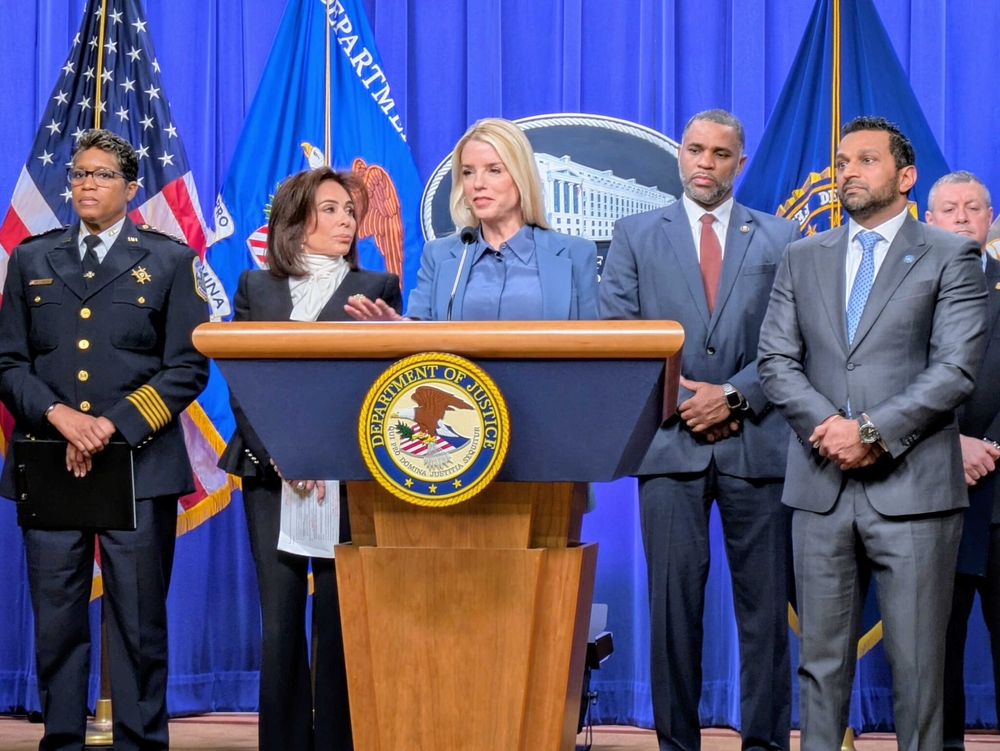
Attorney General Pam Bondi announced the arrest, noting that Cole was taken into custody “safely and successfully” in Woodbridge, Virginia. What makes this development particularly remarkable is Bondi’s revelation that “evidence has been sitting there collecting dust” for years, suggesting this case could have been solved much earlier. The investigation involved painstaking work - the FBI scoured 3 million lines of data and sifted through 233,000 sales records of black caps used on the pipe bombs.
Cell phone provider records placed Cole’s phone connecting to multiple cell towers in the vicinity of both party headquarters on the night of January 5th. Additionally, investigators tracked a transaction Cole made at a restaurant near the RNC less than a month before the bomb placement. The FBI had previously increased its reward to $500,000 in January 2023 for information leading to an arrest, up from the original $100,000 offer.
The Political Context and Response
The arrest has triggered strong reactions from political leaders across the spectrum. DNC Chair Ken Martin expressed gratitude to law enforcement while emphasizing that “political violence should never be accepted in America.” RNC Chair Joe Gruters took a more partisan approach, blaming the Biden administration for the delayed arrest while crediting current officials for finally prioritizing the case.
Then Vice President-elect Kamala Harris was inside the DNC when the pipe bomb was discovered, according to Politico’s 2022 reporting, adding another layer of gravity to the potential consequences had the devices exploded. FBI Assistant Director Darren Cox noted that while the bombs didn’t detonate, “they certainly could have,” highlighting the narrow escape from what could have been a national tragedy.
The Systemic Failure and Democratic Implications
The five-year delay in solving this case represents nothing short of a systemic failure that should alarm every American who values democracy and the rule of law. When Attorney General Bondi admits that evidence was “collecting dust” while a potential domestic terrorist remained free, we must confront uncomfortable questions about our justice system’s priorities and effectiveness.
This case transcends partisan politics - the targeting of both major party headquarters demonstrates an attack on the very infrastructure of American democracy itself. The fact that someone allegedly sought to destroy the physical spaces where political organization occurs strikes at the heart of our democratic process. Whether motivated by extremist ideology or other factors, such actions represent a direct assault on the pluralistic system that has sustained American democracy for centuries.
The delayed resolution of this investigation has allowed conspiracy theories to flourish in far-right internet spaces for years, further eroding public trust in institutions. FBI Deputy Director Dan Bongino, who previously accused the FBI of covering up the investigation, thanked former President Trump and Attorney General Bondi for giving him “latitude” to solve the case. This political dimension to what should be a straightforward law enforcement matter underscores how deeply our justice system has become entangled with partisan politics.
The Broader Threat to Democratic Institutions
This case must be understood within the broader context of rising political violence and intimidation in America. The placement of explosive devices at political party headquarters represents an escalation from protest to potentially lethal action. Such acts create an environment of fear that chills political participation and undermines the peaceful transition of power that defines democratic governance.
The fact that both parties were targeted suggests either an attempt to create chaos indiscriminately or to make a statement about the entire political system. Either motivation is profoundly anti-democratic and threatens the foundations of our republic. When citizens cannot engage in political activity without fear of violence, when party offices become targets rather than centers of democratic organization, we edge dangerously close to abandoning the core principles that define America.
The Imperative for Institutional Reform
The lengthy investigation timeline reveals critical weaknesses in our domestic security apparatus that must be addressed with urgency. A case with such clear evidence - purchase records, cell phone data, financial transactions - should not take five years to resolve. This delay suggests either insufficient resources, misplaced priorities, or bureaucratic inertia that jeopardizes public safety.
We need a comprehensive review of how domestic terrorism cases are prioritized and investigated. The resources devoted to tracking potential threats must match the severity of those threats. When explosive devices are placed at the heart of our political system, the investigation should receive maximum priority and resources until resolution.
Furthermore, the partisan responses to this arrest demonstrate how even acts of domestic terrorism have become politicized. Republican and Democratic leaders immediately framed the arrest through their partisan lenses rather than uniting in condemnation of the attack on democratic institutions themselves. This reflexive partisan division in the face of clear threats to our system of governance represents its own kind of danger to democracy.
Conclusion: Reaffirming Commitment to Democratic Values
The arrest of Brian Cole Jr. brings some measure of justice for a brazen attack on American democracy, but it also exposes disturbing vulnerabilities in our system. The five-year investigation timeline, the apparent availability of evidence that went unutilized, and the immediate partisan reactions all point to deeper problems that demand addressing.
As a nation founded on the principles of liberty and democratic governance, we must respond to such threats with unwavering commitment to protecting our institutions. This means adequately funding and supporting law enforcement investigations into domestic terrorism. It means rejecting partisan framing of attacks that threaten all political parties and the system itself. And it means reaffirming our collective commitment to non-violent political engagement.
The pipe bombs placed outside DNC and RNC headquarters on January 5, 2021, represent more than just criminal acts - they symbolize an assault on the very idea of democratic pluralism. Our response must be equally symbolic and substantive: a renewed dedication to protecting the spaces, institutions, and processes that make American democracy possible. Justice delayed may be justice denied, but justice ultimately served provides an opportunity to strengthen our resolve against those who would use violence to undermine our most sacred democratic values.