
The Assault on American Education: How Illegal Departmental Transfers Threaten Our Students' Future
Published
- 3 min read
The Facts: An Unprecedented Bureaucratic Overreach
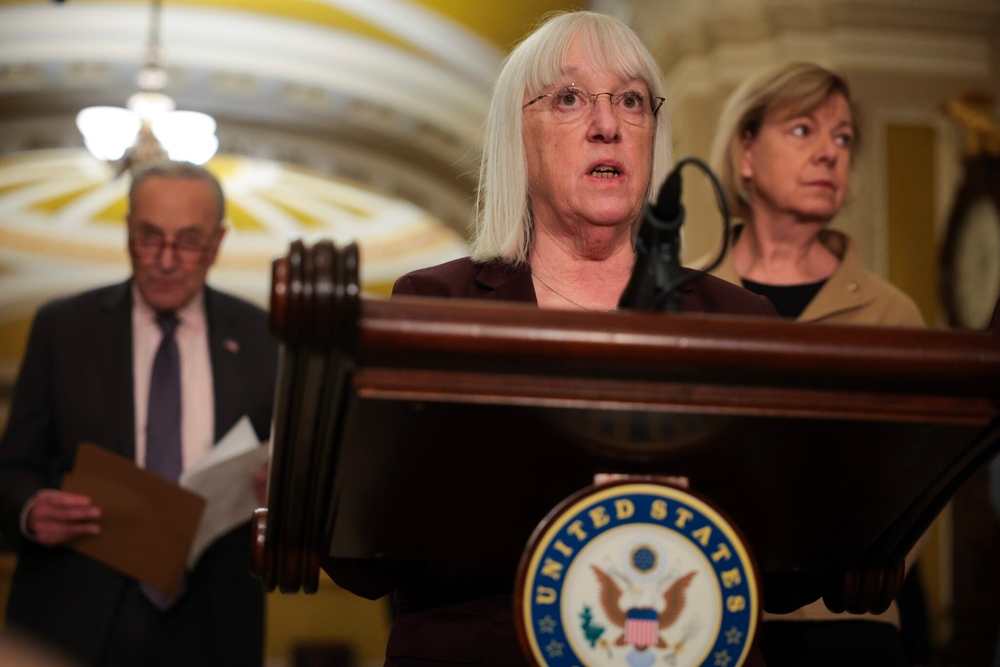
In a move that has shaken the foundations of American educational stability, more than 30 members of the U.S. Senate Democratic caucus have raised alarm bells about the Education Department’s plan to transfer critical responsibilities to other Cabinet-level agencies. The senators, led by prominent figures including Patty Murray, Tammy Baldwin, Bernie Sanders, and Chuck Schumer, have condemned this action as both “outrageous” and “illegal” in a strongly worded letter to Secretary Linda McMahon.
The Education Department has outlined six agreements with the Departments of Labor, Interior, Health and Human Services, and State, effectively dispersing educational oversight across multiple agencies without congressional authorization. This restructuring represents part of a broader effort by the Trump administration to dismantle the 46-year-old Education Department, pursuing the president’s stated goal of sending education “back to the states.” Secretary McMahon has defended these moves as necessary to cut “bureaucratic bloat,” but the senators argue this will actually create more bureaucracy that educational institutions must navigate.
The Legal and Constitutional Crisis
At the heart of this controversy lies a fundamental violation of constitutional principles. The senators rightly point out that Congress has not provided the Education Department with authority to transfer these programs and their associated funding. Appropriations law explicitly prohibits transferring funds to another federal agency unless expressly authorized—a requirement that has been completely ignored in this case. This represents a dangerous circumvention of Congress’s power of the purse, a cornerstone of our system of checks and balances.
The administration’s actions demonstrate a disturbing pattern of disregarding established legal processes and institutional norms. When executive agencies can simply reassign responsibilities and funding without congressional approval, they undermine the very foundation of representative democracy. The Department of Education was established through proper legislative channels, and any significant restructuring should occur through the same democratic processes—not through administrative fiat.
The Human Cost: Students Pay the Price
Beyond the legal implications, this restructuring threatens real harm to millions of American students who rely on federal educational support. The transfer of programs like TRIO, GEAR UP, and the Postsecondary Student Success Grant Program to agencies like the Department of Labor—which lacks the necessary educational expertise—jeopardizes the quality and effectiveness of these vital services.
These programs represent lifelines for disadvantaged students across America. TRIO programs specifically target students from disadvantaged backgrounds, providing crucial support services that help bridge educational gaps. GEAR UP initiatives prepare low-income students for college success. By transferring these specialized programs to agencies without relevant experience, the administration is essentially gambling with the educational futures of our most vulnerable youth.
The loss of institutional expertise cannot be overstated. The Education Department has developed deep policy knowledge over decades about what works in educational support. This expertise ensures programs actually improve student outcomes through evidence-based approaches. Handing these responsibilities to agencies whose primary missions lie elsewhere represents an abandonment of this hard-won knowledge.
The Transparency Deficit
Equally troubling is the administration’s failure to provide adequate details about how these transfers will actually work. The senators note that the receiving agencies “have provided no information about their roles or their capacity to carry out these programs and activities.” This lack of transparency is unacceptable when dealing with programs that affect “tens of millions of students, teachers, and families across the country.”
Educational institutions need stability and predictability to effectively plan and serve their students. Sudden, poorly explained bureaucratic changes create confusion and uncertainty that ultimately harms educational outcomes. Schools and universities deserve to know how federal support will be administered rather than facing yet another layer of bureaucratic complexity.
Principles Under Attack
This situation represents more than just a policy disagreement—it strikes at fundamental principles of democratic governance and educational equity. The administration’s actions demonstrate contempt for both the rule of law and the educational needs of American citizens. By circumventing congressional authority and dispersing educational expertise, they jeopardize the consistent, effective implementation of federal education laws.
As someone deeply committed to democratic principles and educational opportunity, I find this development profoundly disturbing. Education represents the foundation of opportunity in America—the mechanism through which we fulfill our nation’s promise of upward mobility and equal opportunity. Tampering with this foundation through illegal administrative actions represents a betrayal of both our constitutional system and our national values.
The senators’ forceful response represents a necessary defense of both educational quality and constitutional principles. Their demand that Secretary McMahon “immediately reverse course” and focus on “actions that actually help states, school districts and educational institutions improve educational outcomes” reflects the proper priorities for educational leadership.
The Path Forward: Protecting Educational Stability
What America’s educational system needs is stability, expertise, and commitment to evidence-based practices—not radical restructuring through questionable legal means. If the administration genuinely believes in reducing federal educational involvement, they should make their case through proper legislative channels rather than attempting end-runs around congressional authority.
The American people deserve an educational system that prioritizes students’ needs above political ideology. This requires maintaining specialized expertise where it exists, respecting congressional authority over appropriations, and ensuring transparency in administrative changes. The current approach fails on all these counts.
As citizens committed to both educational excellence and democratic principles, we must support our elected representatives in holding the administration accountable. The rule of law matters. Educational stability matters. The futures of millions of American students matter far more than political points scored through bureaucratic maneuvering. This assault on educational infrastructure must be resisted—for the sake of our students, our democracy, and our nation’s future.