
The Assault on American Higher Education: How Political Attacks Threaten Our Universities and Research Future
Published
- 3 min read
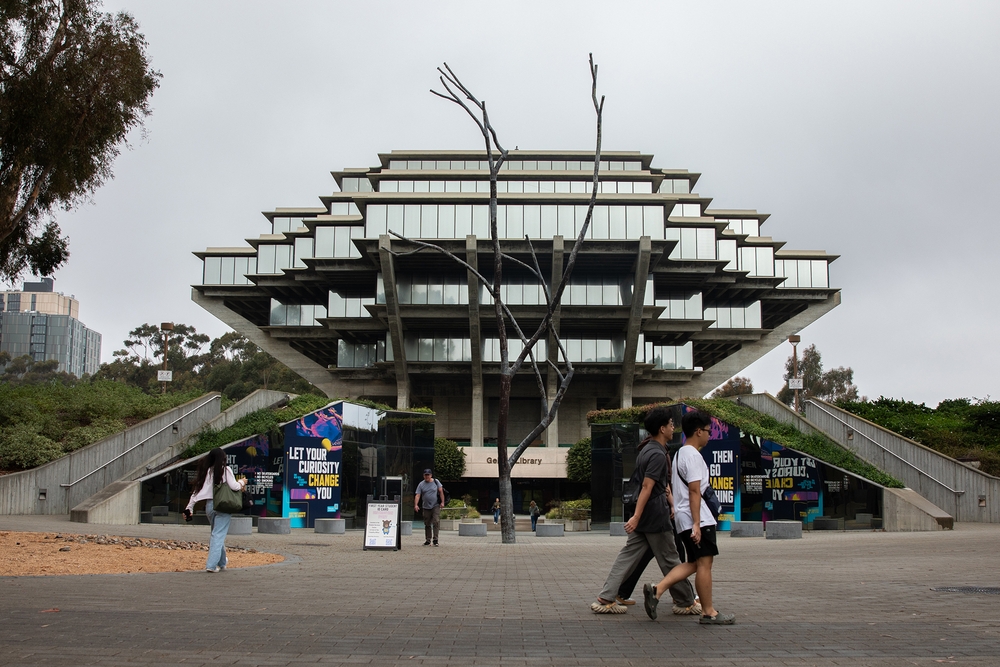
The Funding Crisis Facing California’s Public Universities
This year has witnessed an unprecedented convergence of federal and state actions that have severely undermined California’s world-renowned public higher education system. Both the Trump administration and Governor Gavin Newsom’s administration implemented significant funding reductions that threaten the very foundation of academic excellence and research innovation that has made California’s universities global leaders. The federal government, through the Department of Justice, launched numerous high-profile complaints against California schools while simultaneously withholding critical research funding, particularly targeting University of California campuses.
The most devastating blow came from the Trump administration’s decision to withhold over $500 million in research grants from UCLA alone, allegedly due to concerns about antisemitism related to protests over the war in Gaza. This punitive action was followed by an extraordinary demand that UCLA pay a $1.2 billion settlement and sacrifice certain academic freedoms to regain access to these vital funds. Multiple court rulings have since condemned these actions as “coercive and retaliatory,” with federal judges ordering the administration to stop withholding funds and return research money to UC campuses.
Meanwhile, at the state level, California faced its own budgetary challenges that resulted in 3% funding reductions for both the UC and California State University systems. While community colleges emerged largely unscathed, institutions like Sonoma State faced particularly severe cuts that threatened to eliminate entire majors including economics and physics, along with competitive athletic programs. These austerity measures represent a significant departure from years when California’s higher education system benefited from state surpluses or was spared from budget cuts.
The Broader Context of Political Interference in Education
The current funding crisis cannot be understood in isolation from the broader political landscape that has increasingly viewed higher education as a battleground for ideological warfare. The Trump administration’s crusade against diversity, equity, and inclusion programs has served as justification for cutting funding for critical research into dementia, coronavirus vaccines, and HIV prevention. This represents a dangerous politicization of scientific research that threatens not only academic freedom but also public health and safety.
The administration’s November lawsuit targeting students without legal status could potentially end financial aid programs that have supported thousands of students for decades, affecting as many as 100,000 students across California. This attack on vulnerable student populations demonstrates a callous disregard for educational opportunity and social mobility that has long been central to California’s educational mission.
The Dangerous Precedent of Politicized Funding Decisions
What we are witnessing represents nothing less than a systematic assault on the principles of academic freedom and institutional autonomy that have made American higher education the envy of the world. The weaponization of research funding to punish universities for political reasons sets a dangerous precedent that threatens the very integrity of our scientific enterprise. When federal agencies can arbitrarily withhold half a billion dollars in research grants based on allegations rather than proven violations, we enter treacherous territory where academic institutions must choose between their educational mission and their financial survival.
The demand that UCLA sacrifice academic freedoms to regain access to research funds is particularly alarming. Academic freedom—the ability to pursue knowledge without political interference—is the bedrock upon which our university system is built. Any attempt to compromise this principle, whether through financial coercion or direct intervention, represents an attack on the fundamental values of free inquiry and intellectual independence that are essential to a healthy democracy.
The Human Cost of Educational Austerity
Behind the budget numbers and political maneuvering lie real human consequences that will reverberate for generations. The reduction in research funding means potentially life-saving studies on dementia, HIV prevention, and coronavirus vaccines may be delayed or abandoned altogether. Students in physics and economics programs at Sonoma State face the prospect of having their educational pathways abruptly closed. Vulnerable students without legal status may lose access to the education that represents their best chance at achieving the American dream.
The community college system, which educates the majority of California’s students, remains vulnerable to economic fluctuations that could drive enrollment changes. If economic headwinds hit the state, as the article suggests might happen with tariffs or a tech bubble burst, our educational infrastructure may be ill-prepared to accommodate returning students seeking to improve their skills and prospects.
Defending Educational Values in a Politicized Landscape
As someone deeply committed to democratic values and educational opportunity, I view these developments with profound alarm. The coordinated attack on higher education funding—from both federal and state directions—represents a fundamental threat to America’s competitive advantage, scientific leadership, and commitment to equal opportunity. Research universities serve as engines of innovation and economic growth, while public university systems provide pathways to upward mobility for millions of Americans. Undermining these institutions through politically motivated funding cuts constitutes nothing less than an act of national self-sabotage.
The targeting of diversity, equity, and inclusion programs is particularly troubling from a humanist perspective. These initiatives represent our collective commitment to ensuring that educational opportunities are available to all Americans, regardless of background or identity. Attacking these programs under the guise of fiscal responsibility or political ideology reveals a disturbing willingness to sacrifice educational equity for partisan gain.
The Path Forward: Recommitting to Educational Values
We must recognize that investment in higher education represents investment in America’s future. The research conducted at universities drives technological innovation, medical advances, and economic competitiveness. The education provided to students represents our best hope for addressing the complex challenges facing our society. Rather than undermining these institutions through short-sighted funding cuts, we should be strengthening them through increased investment and renewed commitment to their educational mission.
The court rulings that have pushed back against the Trump administration’s punitive actions provide some hope that our judicial system can serve as a check on executive overreach. However, we cannot rely solely on the courts to protect educational values. We need a broader societal recommitment to the principle that higher education should be insulated from political interference and adequately funded to fulfill its essential role in our democracy.
Conclusion: Education as a Foundation of Democracy
In the final analysis, the attacks on higher education funding represent more than just budgetary decisions—they reflect a dangerous erosion of our commitment to knowledge, truth, and opportunity as fundamental democratic values. When we allow political considerations to determine research funding or educational access, we compromise the very ideals that make our educational system great. The assault on California’s public universities should serve as a wake-up call to all Americans who value educational excellence, scientific progress, and equal opportunity.
We must stand united in defense of our universities and the vital work they do. We must reject the politicization of research funding and educational access. And we must recommit to the principle that investment in education represents investment in our collective future. The alternative—a system where educational opportunities are determined by political allegiance rather than merit and need—represents a betrayal of America’s highest ideals and most promising aspirations.