
The Assault on American Values: Examining the Homeland Security Hearing and Immigration Policy
Published
- 3 min read
The Congressional Hearing and Its Context
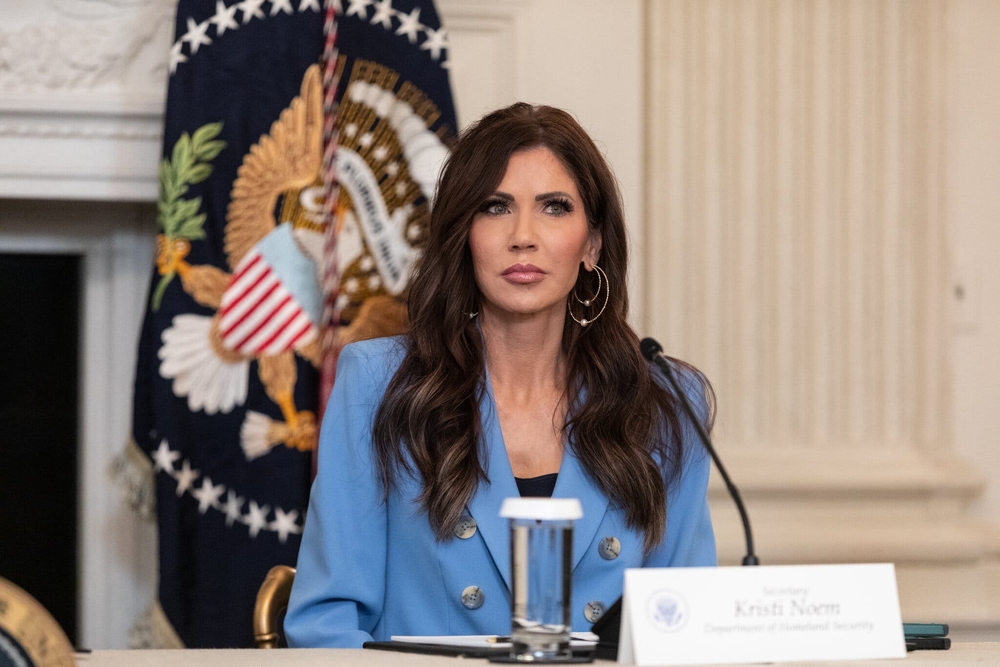
The House Homeland Security Committee hearing on Thursday revealed deep fissures in America’s approach to immigration enforcement and national security. Homeland Security Secretary Kristi Noem faced intense scrutiny from Democratic lawmakers regarding the Trump administration’s aggressive immigration tactics, with several members going so far as to call for her resignation. This annual hearing, typically focused on “worldwide threats” to the United States, instead became a platform for examining the human cost of current immigration policies.
The tension was palpable throughout the proceedings. Representative Bennie Thompson of Mississippi, the highest-ranking Democrat on the panel, opened the hearing by urging Secretary Noem to resign from her post. The exchange grew particularly heated when Thompson pressed Noem on who granted asylum to Rahmanullah Lakanwal, the Afghan national charged with shooting two National Guard members in Washington. Thompson stated unequivocally, “Your D.H.S. approved the asylum application,” while Noem repeatedly asserted that the vetting occurred during the Biden administration.
The Policy Changes and Their Impact
This hearing occurred at a critical juncture for immigration policy. The Trump administration has pledged to purge people in the country unlawfully, and the Department of Homeland Security has implemented significant changes to the legal immigration system following last month’s shooting incident. These changes include halting the ability of Afghans to obtain visas, pausing decisions on asylum applications, and vowing to review more than 50,000 asylum applications approved during the Biden administration.
The administration has also paused immigration applications submitted by foreign nationals from the 19 countries subject to the president’s travel ban. Officials have indicated they would re-examine applications approved for migrants from those countries who entered the United States since the beginning of the Biden administration. These policy shifts have already created substantial disruption for immigrants seeking benefits, with lawyers reporting canceled green card interviews and naturalization ceremonies with little explanation.
Furthermore, the administration significantly cut the number of refugees accepted, lowering the ceiling for refugee admissions to 7,500 for this fiscal year from the 125,000 cap set by the Biden administration last year. The administration stated it would give priority to mostly white Afrikaner South Africans, raising serious questions about the equity and fairness of these refugee policies.
The Erosion of American Principles
What we witnessed during this hearing represents more than just political theater—it reveals a fundamental crisis in American governance and values. The aggressive immigration enforcement tactics that drew such sharp questioning are not merely policy differences; they represent a systematic assault on the very principles that have made America a beacon of hope for generations of immigrants.
The spectacle of a Cabinet secretary defending policies that ensnare immigrants with no criminal records and even U.S. citizens in enforcement actions should alarm every American who values due process and civil liberties. When Representative Thompson called the shooting an “unfortunate accident” and Secretary Noem retorted that it was “a terrorist attack,” we saw more than semantic disagreement—we witnessed the collision of two fundamentally different visions of America’s role in the world and its treatment of vulnerable populations.
The Human Cost of Policy Decisions
The real tragedy of these policies lies in their human impact. Behind every paused application, every canceled interview, and every halted visa process are human beings—families seeking safety, individuals pursuing opportunity, and people exercising their legal rights to seek asylum. The disruption caused by these policy changes creates uncertainty, fear, and genuine hardship for people who have followed our laws and processes in good faith.
The administration’s decision to prioritize mostly white Afrikaner South Africans in refugee admissions particularly troubling. This selective approach to humanitarian protection undermines the principle that refugee status should be determined by need rather than race, ethnicity, or nationality. It represents a dangerous departure from America’s tradition of providing refuge to those fleeing persecution regardless of their background.
Accountability and Democratic Norms
The calls for Secretary Noem’s resignation, while dramatic, speak to a deeper concern about accountability in our democracy. When officials implement policies that potentially violate constitutional principles and human rights standards, they must be held accountable through proper democratic channels. The heated exchanges during the hearing reflect the legitimate role of congressional oversight in a system of checks and balances.
However, Secretary Noem’s response to Representative Thanedar’s demand for her resignation—“Sir, I will consider your asking me to resign as an endorsement of my work”—suggests a concerning disregard for congressional oversight and accountability. In a healthy democracy, Cabinet officials should welcome rigorous questioning from elected representatives and demonstrate transparency about their policies and decisions.
The Path Forward
As Americans committed to democracy, freedom, and liberty, we must demand better from our leaders. Immigration policy should balance security concerns with compassion, due process, and respect for human dignity. The current approach appears to prioritize enforcement over humanity, security over liberty, and exclusion over America’s traditional role as a nation of immigrants.
We must remember that the strength of America has always derived from our ability to welcome those seeking freedom and opportunity while maintaining our security. These are not mutually exclusive goals. We can have both secure borders and humane immigration policies. We can vet applicants thoroughly while treating them with dignity. We can protect national security without sacrificing our values.
The hearing revealed an administration that has lost sight of this balance. The aggressive tactics, the disruption of legal processes, and the apparent racial preferences in refugee policy all point toward an approach that undermines rather than upholds American principles.
Conclusion: Reclaiming American Values
In the final analysis, the Homeland Security hearing represents more than a political disagreement—it represents a fundamental struggle for the soul of American immigration policy. Will we remain a nation that welcomes “your tired, your poor, your huddled masses yearning to breathe free,” or will we become a nation that retreats behind walls of fear and exclusion?
The answer to this question will define America for generations to come. We must demand policies that reflect our highest values rather than our deepest fears. We must insist on leadership that understands that true security comes from strength rooted in justice, compassion, and respect for human dignity.
The American experiment has always been about building a more perfect union—one that continually strives to live up to its founding ideals. Our immigration policies should reflect that aspiration rather than betray it. The hearing may be over, but the conversation about who we are as a nation and what values we will champion is just beginning. We must ensure that conversation leads us toward a more perfect union, not away from it.