
The Battle for America's Soul: Why We Must Remain Vigilant in Protecting Our National Parks
Published
- 3 min read
The Controversial Proposal and Its Withdrawal
In a dramatic political reversal that highlights the ongoing tension between conservation values and political expediency, Utah Senator Mike Lee has withdrawn his controversial amendment to federal legislation that would have removed critical protections for national park lands. The Republican senator, who chairs the influential Senate Energy and Natural Resources Committee, initially proposed eliminating a section of a spending bill that mandates national park lands be maintained as federal property. This move triggered immediate and forceful opposition from conservation organizations across the nation, who rightly recognized the grave threat this posed to America’s most cherished public lands.
The Coalition to Protect America’s National Parks responded with appropriate alarm, stating that Lee’s amendment could effectively “green-light the selling off, transferring and giving away of national parks.” This wasn’t the first time Senator Lee has ventured down this dangerous path - during the summer, he attempted to add a mandate for the sale of some public lands to Republican legislation, backing down only after significant outcry from hunting and recreation advocates. The pattern suggests a concerning disregard for the fundamental principle that our national parks belong to all Americans, not to be bargained away through legislative maneuvering.
The Senator’s Justification and Its Flaws
Senator Lee’s office, through spokesperson Jordan Roberts, announced late Thursday that the senator had filed a new amendment preserving the very section he previously sought to remove. In a statement to Utah News Dispatch, Lee declared, “I categorically oppose selling national parks,” while attempting to reframe the controversy as a misunderstanding. He claimed the U.S. Department of the Interior had drawn his attention to the provision, arguing it would “permanently freeze Park Service boundaries, blocking routine land exchanges Congress has long approved.”
Lee specifically cited past legislation that returned sacred lands near Denali to the Doyon Alaska Native Corporation as an example of the type of exchange that would be hindered. However, this justification rings hollow when examined against the broader context of his legislative history and the concerns raised by conservation experts. The distinction between “routine land exchanges” and the potential slippery slope toward broader dispossession of public lands is precisely why vigilance remains essential.
Institutional Erosion and Broader Concerns
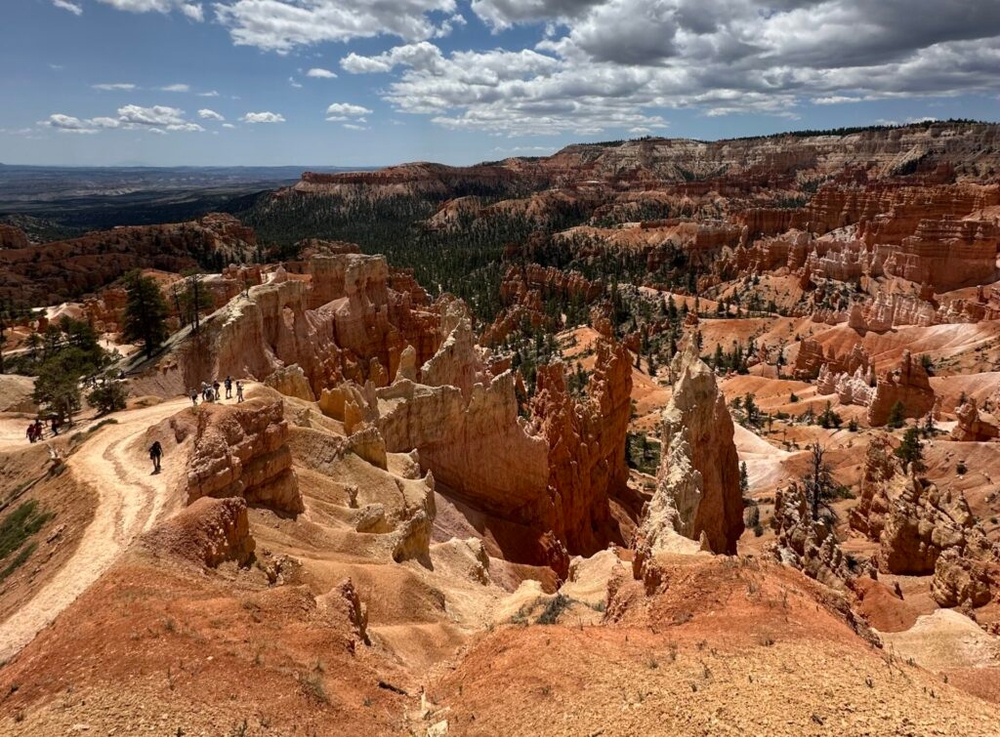
The controversy occurs against a backdrop of significant challenges facing the National Park Service. Linda Mazzu, a retired superintendent at Bryce Canyon National Park, highlighted the alarming reality that staffing at the park service has decreased by 25% following recent layoffs and buyouts. Compounding this institutional erosion, the agency faces $1.2 billion in cuts under the White House’s proposed 2026 budget. These systemic weaknesses make our parks increasingly vulnerable to political attacks and undermine their ability to fulfill their conservation mission.
Even more concerning are the broader shifts hinted at by Interior Secretary Doug Burgum, who told a House budget panel that while there are no plans to remove any of the 64 “crown jewel” national parks, some of the more than 400 other park service sites could be transferred to state or local authorities. The Interior Department’s draft strategic five-year plan explicitly lists returning “heritage lands and sites to the states” and efforts to “assess and right-size monuments” among its key strategies. This systematic approach to dismantling federal conservation efforts represents a fundamental threat to the integrity of our public lands system.
The Fragility of Our Conservation Legacy
The attempted amendment and its subsequent withdrawal reveal the precarious state of America’s conservation commitments. While Senator Lee’s retreat represents a temporary victory for conservation advocates, the mere fact that such proposals reach the legislative process demonstrates how vulnerable our national parks remain to political attacks. Kate Groetzinger of the nonprofit Center for Western Priorities aptly characterized the situation, noting that “once again, Mike Lee is retreating with his tail between his legs after trying to make it easier to sell off and dispose of our public lands.”
What makes this episode particularly alarming is that it comes from the chairman of the Senate committee responsible for overseeing our nation’s energy and natural resources. The position inherently carries a sacred trust to protect America’s natural heritage, not to seek loopholes through which to undermine it. Senator Lisa Murkowski’s defense of Lee on social media platform X, while attempting to downplay concerns, fails to address the fundamental principle at stake: our national parks must remain inviolate, protected from any form of commercial or political exploitation.
The Human Dimension of Conservation
Linda Mazzu’s concerns about smaller historical sites like Utah’s Golden Spike National Historic Park highlight the human dimension often lost in political debates. These smaller sites, she notes, “might just be a historic house” but “capture a huge part of the history of our country.” This perspective reminds us that conservation isn’t just about vast landscapes but about preserving the complete tapestry of American history and culture. The attempt to create distinctions between “crown jewel” parks and other protected sites represents a dangerous fragmentation of our conservation philosophy.
A Call for Eternal Vigilance
This episode serves as a stark warning that the battle to protect America’s public lands is never truly won - it requires constant, unwavering vigilance from every citizen who values our natural heritage. The national parks system represents one of America’s greatest democratic achievements, preserving our most spectacular landscapes and most significant historical sites for all people, regardless of wealth or status. Any attempt to undermine this system, whether through direct attacks or subtle legislative maneuvering, constitutes an assault on one of our nation’s foundational principles.
We must recognize that protecting our parks requires more than reacting to individual threats - it demands a proactive commitment to adequately funding park operations, maintaining staffing levels, and reinforcing the legal protections that safeguard these treasures. The current political climate, where even established conservation principles face regular challenges, necessitates a renewed public commitment to the ideal that some places are too precious to be subject to political whims or commercial interests.
The Moral Imperative of Conservation
At its heart, the protection of national parks represents a moral commitment to future generations. These lands embody America’s promise - that certain natural and historical treasures transcend political cycles and economic calculations. The fact that proposals like Senator Lee’s can even be entertained demonstrates how easily we forget this sacred trust. Our national parks are not commodities to be managed for efficiency or political convenience; they are living embodiments of our national identity and values.
The emotional resonance of places like Bryce Canyon, Denali, and countless other protected sites speaks to something fundamental in the American character - our recognition that some things must be preserved precisely because they cannot be replaced or recreated. This understanding fueled the creation of the national parks system, and it must continue to guide our stewardship today. When politicians play fast and loose with these protections, they’re not just adjusting policy - they’re threatening the very soul of American conservation.
Moving Forward with Resolve
As we celebrate this temporary victory, we must prepare for the next challenge. The organizations and individuals who mobilized against this threat deserve our gratitude, but they also need our ongoing support. Protecting America’s public lands requires an engaged citizenry willing to hold elected officials accountable, regardless of political party. The principles of conservation should unite Americans across ideological divides, reminding us that some values transcend politics.
The national parks belong to all Americans - they are our common inheritance and our shared responsibility. Any attempt to weaken their protections, whether through direct assault or subtle erosion, must be met with determined resistance. As we move forward, let this episode reinforce our commitment to vigilance, our dedication to principle, and our unwavering defense of America’s most treasured landscapes. The battle for our parks is ultimately a battle for America’s soul, and it’s one we cannot afford to lose.