
The Border Crisis Debacle: How Political Miscalculation Undermined American Democracy
Published
- 3 min read
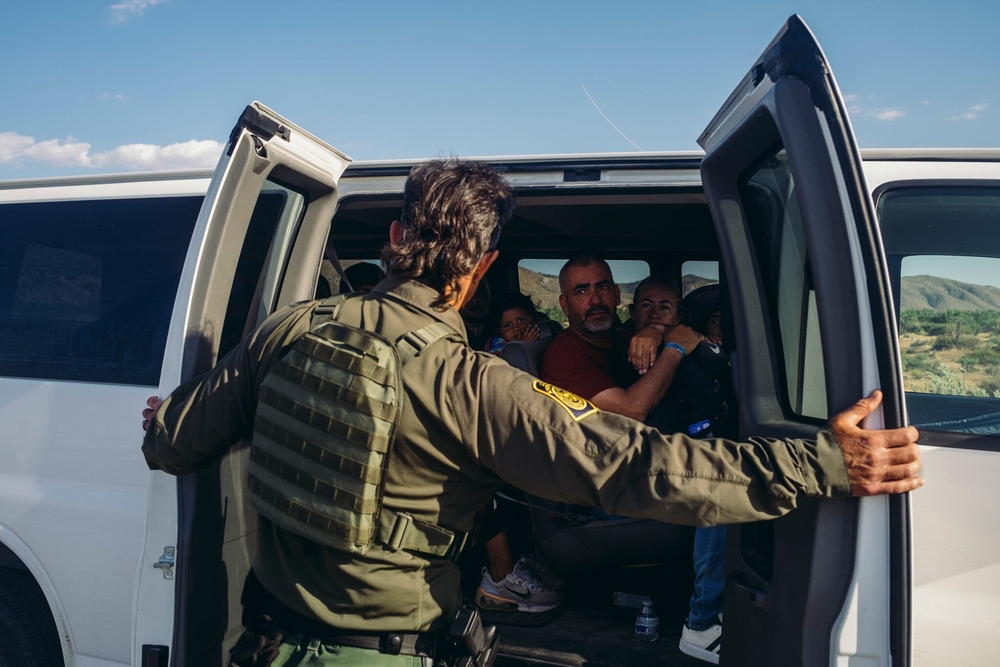
The Unheeded Warnings
As revealed by a comprehensive New York Times investigation, the Biden administration’s handling of the immigration crisis represents one of the most significant failures of presidential leadership in recent memory. Before President Biden even took office, his own policy advisers sounded the alarm in August 2020, warning that his proposed immigration policies—combined with pent-up migration demand from the Trump era and economic hardships from the COVID-19 pandemic—could trigger a massive border surge. These advisers explicitly cautioned that such a surge would “create chaos and a humanitarian crisis, overwhelm processing capacities and imperil the agenda of the new administration.” They provided specific recommendations, including making it easier to quickly reject asylum claims, to mitigate the impending disaster.
The Political Miscalculation
Despite these clear warnings, President Biden and his inner circle chose to ignore the expert advice. The administration fundamentally misread the political landscape surrounding immigration. Top aides worried that focusing on border enforcement would alienate Latino and progressive voters, while incorrectly assuming that the border crisis concerned only residents of border states. Both assumptions proved disastrously wrong. Cecilia Muñoz, who helped shape immigration policy in the Obama administration and oversaw domestic and economic policy for the Biden transition team, observed that “They were a little too sensitive to criticisms from the left.”
Missed Opportunities and Failed Strategies
The administration repeatedly rejected practical solutions that could have alleviated the growing crisis. Early proposals included having the federal government coordinate with local officials to transport migrants to their final destinations, which would have relieved pressure on border communities and northern cities. This sensible approach, similar to what Governor Greg Abbott of Texas later implemented but with actual coordination, was rejected by Biden’s top aides who feared it would encourage more migration. Denver’s Democratic Mayor Mike Johnston later stated that such an effort “would have made a profound difference.”
Instead of taking decisive action, the administration pursued a failed strategy of waiting for Congressional action. President Biden considered unilateral action as early as 2022 but held off due to ongoing immigration bill talks between Senator Kyrsten Sinema and Republicans. These discussions collapsed, as did subsequent negotiations in 2023. Senator James Lankford, the lead Republican negotiator, accused the Biden administration of deliberately delaying negotiations, claiming the White House told him “We don’t want our fingerprints on these negotiations.”
The Consequences of Delay
By the time President Biden finally used his authority to close the border without Congress, the political damage was irreversible. Though his actions succeeded in reducing border crossings, they came too late—with just five months remaining before the election—to change public perception that Democrats were the party of open borders. This delay created the perfect opening for Donald Trump to capitalize on the crisis and ultimately win back the White House, enabling him to pursue his aggressive anti-immigration agenda.
A Failure of Leadership and Democratic Principles
This systematic failure represents more than just poor policymaking—it constitutes a fundamental breach of democratic leadership. The Biden administration’s refusal to heed expert warnings and implement sensible solutions demonstrates a dangerous prioritization of political optics over competent governance. True leadership requires confronting difficult challenges head-on, not avoiding them for fear of political backlash.
The administration’s miscalculation that immigration was only a border-state concern reveals a profound disconnect from the American people. Immigration affects our national security, economic stability, and social fabric—concerns that transcend geographic boundaries. By treating this as a niche issue, the administration failed in its duty to protect all Americans.
The Constitutional and Institutional Damage
This crisis highlights the fragility of our democratic institutions when leaders prioritize political calculations over constitutional responsibilities. The presidency carries the solemn duty to “take Care that the Laws be faithfully executed”—a responsibility the Biden administration neglected through its inaction and delay. The border crisis became a constitutional crisis the moment the executive branch chose politics over its sworn duties.
Furthermore, the administration’s failure to work effectively with Congress—despite controlling both chambers initially—represents a missed opportunity for bipartisan immigration reform. The repeated collapse of negotiations, exacerbated by the administration’s reluctance to take ownership of the process, demonstrates how political cowardice can paralyze our governance system.
The Human Cost of Political Failure
Behind the political calculations and policy debates lies a devastating human toll. The humanitarian crisis that unfolded at the border—precisely what Biden’s advisers had warned about—represent real suffering that could have been mitigated. Migrants seeking better lives found themselves trapped in a system overwhelmed by political negligence rather than prepared through prudent planning.
American communities, particularly border towns and increasingly northern cities like New York and Denver, bore the brunt of this administrative failure. The very communities the federal government exists to protect were left struggling with challenges that proper foresight and action could have alleviated.
The Dangerous Political Aftermath
Most alarmingly, this failure created the ideal conditions for authoritarian resurgence. Donald Trump’s ability to weaponize the border crisis against democracy itself stems directly from the Biden administration’s incompetence. When democratic leaders fail to address legitimate concerns, they create vacuums that anti-democratic forces eagerly fill. The administration didn’t just fail on immigration policy—it failed to defend democracy against those who would exploit crisis for authoritarian ends.
Lessons for Future Governance
This debacle offers crucial lessons for future administrations. First, expert advice must outweigh political considerations when national security and humanitarian concerns are at stake. Second, immigration policy requires proactive, comprehensive approaches rather than reactive, piecemeal solutions. Third, democratic leaders must have the courage to make difficult decisions, even when they risk political backlash from their base.
Most importantly, this crisis demonstrates that effective governance requires acknowledging reality rather than political narratives. The American people deserve leaders who confront challenges honestly and implement solutions competently—not those who gamble with national stability for short-term political advantage.
Conclusion: Reclaiming Democratic Competence
The Biden administration’s border crisis failure represents more than a policy mistake—it’s a case study in how democratic governance can unravel when leaders prioritize politics over principle. As advocates for democracy, freedom, and competent governance, we must demand better from our leaders. America deserves administrations that heed warnings, implement practical solutions, and put national interest above political calculation. The future of our democracy depends on learning from these failures and insisting on leadership that upholds rather than undermines our constitutional values.