
The California Housing Crisis: How the American Dream Became a Financial Nightmare
Published
- 3 min read
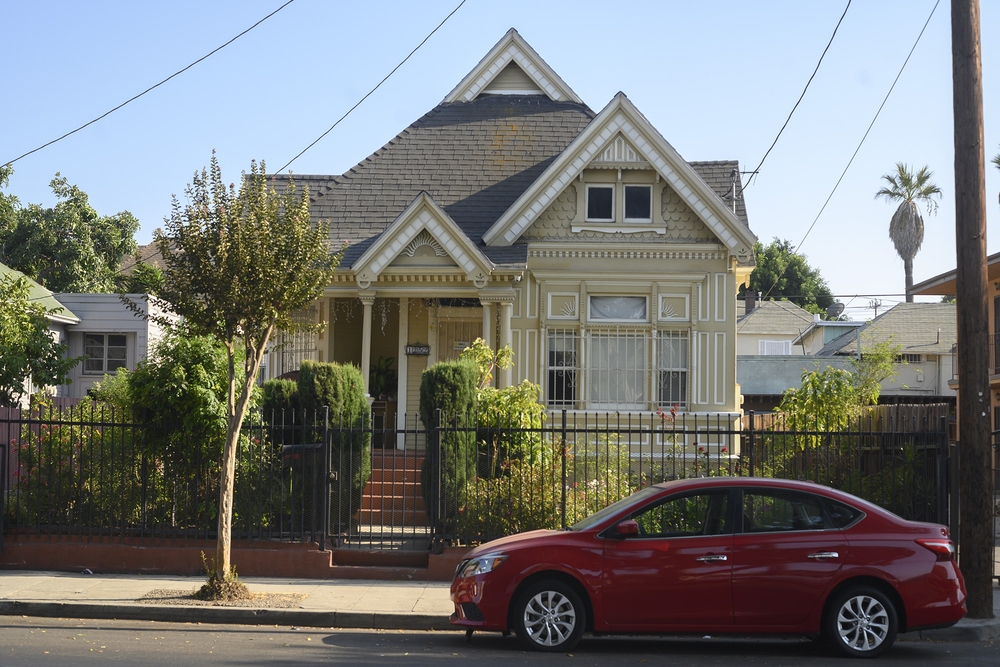
The Stark Reality of California’s Homeownership Landscape
The data paints a devastating picture: California’s homeownership rate stands at approximately 55%, the second lowest in the nation, trailing only New York and sitting a staggering 10 percentage points below the national average. This isn’t merely a statistical anomaly—it represents a fundamental breakdown in the social contract that has defined American prosperity for generations. The median price of a detached single-family home in California has soared to $852,680, exactly double the national median of $426,800. In metropolitan areas like San Francisco, prices exceed $1.3 million, placing homeownership firmly out of reach for all but the wealthiest residents.
The financial implications are staggering. With mortgage rates hovering above 6%, monthly payments for a typical California home range from $4,000 to $6,000—far exceeding rental costs for comparable properties. According to analysis from commercial real estate firm CBRE, the “buying premium”—the additional monthly cost of owning versus renting—is four times greater in Orange County, three times greater in Los Angeles and San Francisco, and twice the national average elsewhere. These numbers don’t just represent financial calculations; they represent broken dreams and deferred aspirations.
The Historical Context: When Homeownership Defined the American Dream
For generations, homeownership has been synonymous with the American Dream—the benchmark of success, the milestone of responsible adulthood, and the most reliable path to intergenerational wealth accumulation. The white picket fence wasn’t merely architectural decoration; it symbolized stability, community investment, and financial security. Public policy at federal and state levels has consistently promoted homeownership through tax incentives, mortgage assistance programs, and zoning regulations that favored single-family dwellings.
This paradigm worked remarkably well for decades, creating the largest middle class in human history and establishing property ownership as the primary vehicle for wealth building. However, California’s current reality represents a catastrophic deviation from this historical pattern. What was once an achievable goal for working families has become an impossible aspiration, creating what economists call a “permanent renter class”—citizens who may never experience the financial security and community stability that comes with property ownership.
The Economic Analysis: When the Numbers Stop Making Sense
Laurie Goodman, an economist at the Urban Institute, previously authored research concluding that homeownership typically provided superior financial returns compared to renting. However, she now acknowledges that “current patterns did not continue”—today’s combination of astronomical prices and elevated interest rates has transformed homeownership from a “financial slam dunk” into a questionable investment proposition.
The mathematics are brutal. Consider San Francisco, where the average single-family home costs $1.38 million. With a typical mortgage, monthly payments reach approximately $6,500, compared to average rents of $4,350. For this financial disparity to make sense, home values would need to appreciate dramatically, rents would need to skyrocket, or alternative investments would need to underperform—all uncertain propositions that place tremendous risk on buyers.
Redfin economist Daryl Fairweather notes that the calculation becomes “murky” when factoring in variables like future home prices, local rents, stock market performance, and length of residence. The New York Times’ rent-versus-buy calculator provides useful guidance, but ultimately, the decision involves complex individual circumstances and unpredictable market forces.
The Human Toll: Beyond the Spreadsheets
Behind these daunting statistics lie human stories of deferred dreams and financial stress. More than half of California renters already spend over 30% of their income on housing—the traditional threshold for being considered “cost-burdened.” For these families, homeownership isn’t merely unaffordable; it’s unimaginable. The percentage of renters who could purchase locally while spending less than 40% of their income on housing sits in single digits across major California markets including Los Angeles, San Diego, Riverside, Sacramento, San Jose, and Ventura.
This reality creates generational consequences. Without access to home equity—historically the primary source of wealth for middle-class families—California residents face diminished retirement security, reduced ability to fund children’s education, and limited capacity to weather financial emergencies. The wealth gap between homeowners and renters threatens to become permanent, creating a society stratified not by merit or effort, but by housing status.
The Policy Failure: How We Arrived at This Crisis
California’s housing crisis represents a catastrophic failure of public policy at multiple levels. Restrictive zoning laws, environmental regulations weaponized to block development, bureaucratic obstacles to construction, and property tax policies that discourage turnover have collectively created an artificial scarcity of housing. The results are predictable: limited supply meeting sustained demand produces skyrocketing prices.
The state legislature has recently attempted to address these issues through policies aimed at facilitating housing construction, but these efforts remain insufficient to overcome decades of accumulated obstacles. The focus on promoting homeownership, while well-intentioned, fails to address the fundamental imbalance between housing supply and population growth.
The Case for Renting: Financial Prudence or Forced Compromise?
For many Californians, renting has transitioned from temporary arrangement to permanent status—not by choice, but by necessity. However, financial analysis suggests this might not represent the catastrophe it initially appears. The significant monthly savings from renting versus owning—what economists call the “buying premium”—can be invested in diversified portfolios that historically outperform real estate appreciation.
The stock market has consistently delivered superior returns compared to residential real estate over extended periods, albeit without the tax advantages and forced savings discipline of mortgage payments. Renting also offers flexibility, freedom from maintenance costs, and protection against property value declines—advantages particularly valuable in uncertain economic times.
However, this financial rationale provides cold comfort to those who desire the stability, autonomy, and community connection that homeownership provides. The ability to customize living space, establish roots in neighborhoods, and benefit from fixed housing costs represents qualitative benefits that transcend spreadsheet calculations.
The Non-Financial Considerations: Why Homeownership Matters Beyond Dollars
Property ownership provides benefits that extend beyond balance sheets. Homeowners typically enjoy more living space, with detached single-family homes predominantly reserved for owners rather than renters. For families with children, this spatial consideration often forces difficult choices between cramped urban apartments or relocation to more affordable regions.
Educational opportunities also diverge dramatically between ownership and rental scenarios. Rental properties cluster in neighborhoods with underperforming schools and elevated crime rates, while homeowner-dominated areas benefit from superior educational institutions and safer environments. This creates a vicious cycle where renters cannot access the communities that would most benefit their children’s development.
The psychological benefits of homeownership—what researchers call the “warm and fuzzy factor”—include autonomy over living space, security against displacement, and community integration. These intangible benefits contribute significantly to life satisfaction and community stability, representing values that cannot be quantified on financial statements.
The Path Forward: Reclaiming the California Dream
Addressing California’s homeownership crisis requires bold, multifaceted solutions that acknowledge both the supply and demand sides of the equation. We must dramatically streamline construction processes, eliminate obstructive regulations, and incentivize development of diverse housing types at all price points. Policy makers should reconsider property tax structures that discourage turnover and explore innovative ownership models like community land trusts and shared equity arrangements.
Simultaneously, we must acknowledge that not all residents will achieve traditional homeownership and ensure that rental options provide dignity, security, and opportunity for wealth building through alternative means. Strengthening tenant protections, expanding rent control where appropriate, and creating pathways for renters to build credit and savings must complement efforts to promote ownership.
Most importantly, we must recognize that housing affordability isn’t merely an economic issue—it’s a fundamental question of justice, opportunity, and the kind of society we wish to create. The California Dream cannot survive as an exclusive privilege available only to the wealthy. We must reclaim the promise that hard work should be rewarded with the opportunity to put down roots, build wealth, and achieve security through property ownership.
The solutions won’t be easy, and they will require confronting powerful interests that benefit from the status quo. But the alternative—a permanently divided society where homeownership becomes the exclusive domain of the affluent—represents a betrayal of American values and a threat to our social fabric. The time for half-measures and incremental reform has passed; we need transformative change that restores the promise of opportunity for all Californians.