
The Caribbean Strikes: A Test of Law, Morality, and American Values
Published
- 3 min read
The Facts and Context
In a development that has sent shockwaves through Washington and beyond, the White House confirmed on Monday that a Navy admiral ordered a second military strike on an alleged drug smuggling vessel in the Caribbean Sea. This revelation comes amid growing bipartisan concern over U.S. military operations targeting suspected drug traffickers in the region. According to the administration’s account, Defense Secretary Pete Hegseth authorized Vice Admiral Frank Bradley, then-commander of Joint Special Operations Command, to conduct what officials describe as “kinetic strikes” against these vessels.
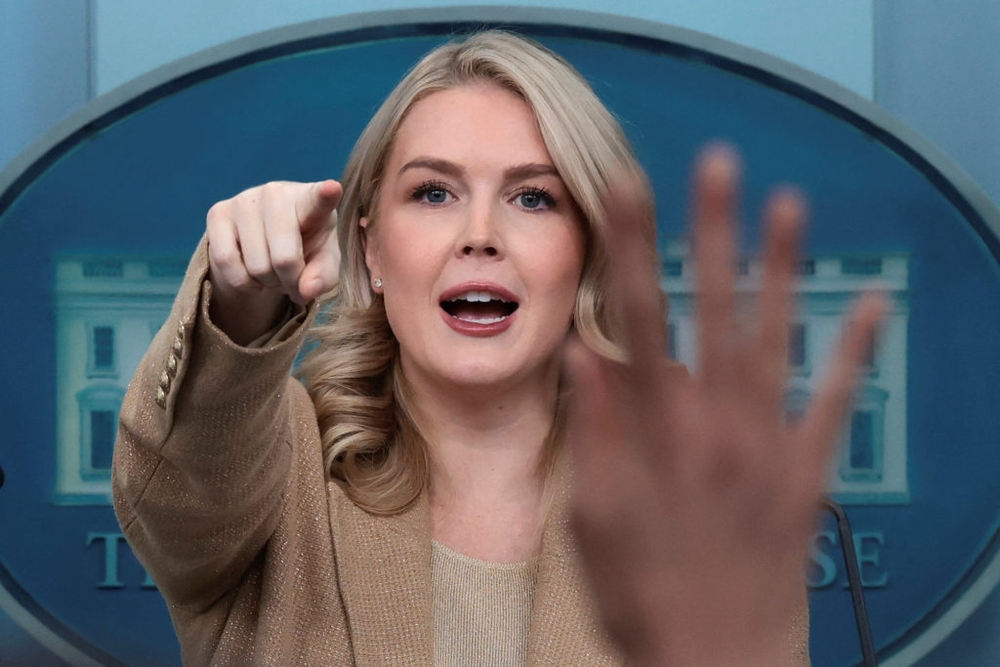
The controversy centers on a September 2nd incident where initial reports indicated survivors remained after the first strike, raising serious questions about the legality and morality of subsequent military action. White House Press Secretary Karoline Leavitt did not dispute a Washington Post report detailing the existence of survivors after the initial engagement, instead insisting that Admiral Bradley acted “well within his authority and the law” in directing the follow-up strike to “ensure the boat was destroyed and the threat to the United States of America was eliminated.”
This incident occurs within the broader context of the Trump administration’s escalating operations against drug cartels in the Caribbean and eastern Pacific Ocean. The administration claims these cartels are often controlled by Venezuelan President Nicolás Maduro, and has positioned warships near Venezuela, including the nation’s largest aircraft carrier. To date, these operations have resulted in more than 80 fatalities according to administration figures.
Bipartisan Concerns and Legal Questions
The response from Congress has been notably bipartisan, with lawmakers from both parties expressing deep concern about the reported second strike. Senator Tim Kaine (D-Va.) stated unequivocally that “This rises to the level of a war crime if it’s true,” while Representative Mike Turner (R-Ohio) acknowledged that if such an attack on survivors occurred, “that would be very serious and I agree that would be an illegal act.” Both the House and Senate Armed Services Committees have opened investigations into the matter, reflecting the gravity of the allegations.
President Trump himself expressed discomfort with the notion of a second strike, telling reporters he “wouldn’t have wanted that—not a second strike” when asked about the incident. However, he vigorously defended Secretary Hegseth, stating “Pete said he did not order the death of those two men. And I believe him.” This creates a complex narrative where the commander-in-chief expresses personal reservations while simultaneously defending his defense secretary’s actions and authority.
The Legal and Moral Imperative
At the heart of this controversy lies a fundamental question about the limits of military power and the protection of human dignity. The laws of armed conflict, which the administration claims to have followed meticulously, explicitly prohibit attacks on individuals who are hors de combat—those who are wounded, surrendering, or otherwise unable to fight. The very suggestion that military forces might target survivors of an initial attack strikes at the core of international humanitarian law and basic human morality.
As defenders of democracy and constitutional principles, we must recognize that the strength of our nation derives not from unrestrained military power but from our unwavering commitment to the rule of law and human rights. The administration’s insistence that all actions were legal, while simultaneously acknowledging they don’t know whether the Washington Post’s reporting is accurate, creates a troubling paradox. How can one vigorously defend the legality of actions while admitting uncertainty about what exactly occurred?
The Slippery Slope of Unchecked Power
This incident represents a dangerous precedent in the gradual erosion of accountability mechanisms that are essential to democratic governance. When military operations occur with minimal transparency and congressional oversight, we risk normalizing actions that would otherwise be considered unacceptable in a society that values human dignity and due process. The administration’s characterization of critical reporting as “fake news” and “fabricated, inflammatory, and derogatory reporting” aimed at discrediting “incredible warriors” creates a false dichotomy between supporting our troops and demanding accountability.
We can and must both support our military personnel and insist that their actions comply with both domestic and international law. The men and women serving in our armed forces deserve clear rules of engagement and strong civilian oversight—not ambiguous directives that place them in morally and legally precarious positions. True support for our troops means ensuring they never have to question whether their orders comply with the values they swore to defend.
The Geopolitical Implications
Beyond the immediate legal and moral questions, these operations raise significant concerns about the United States’ role in the hemisphere and its approach to international relations. The administration’s focus on Venezuela and alleged connections to drug cartels comes amid broader tensions with the Maduro government. The revelation that President Trump recently spoke with Maduro by phone, while refusing to detail their conversation, adds another layer of complexity to an already volatile situation.
Military actions in foreign territories, particularly those resulting in significant loss of life, require rigorous scrutiny and clear strategic objectives. The war on drugs, while an important national priority, cannot justify actions that undermine international legal norms or damage America’s moral standing in the world. Our nation’s influence derives not just from military might but from our reputation as a defender of justice and human rights.
A Call for Transparency and Accountability
In a healthy democracy, transparency and accountability are not obstacles to national security but essential components of it. The bipartisan calls for investigation into these strikes represent not partisan politics but the proper functioning of our system of checks and balances. Congress has both the right and the responsibility to conduct thorough oversight of military operations, particularly when serious questions about legality arise.
The administration’s obligation extends beyond mere assertions of legality. It must provide Congress and the American people with a full accounting of what occurred, the legal basis for the actions taken, and the safeguards in place to prevent similar controversies in the future. This is not about undermining military operations but about ensuring they align with our nation’s deepest values.
Conclusion: Upholding American Principles
As we confront the complex challenges of drug trafficking and international security, we must never lose sight of the principles that make America exceptional. Our strength comes from our commitment to the rule of law, our respect for human dignity, and our system of democratic accountability. The reported events in the Caribbean Sea test these fundamental values in profound ways.
We must demand thorough investigations, complete transparency, and clear adherence to both domestic and international law. The lives lost in these operations—whether guilty of drug trafficking or not—deserve the basic human dignity that our laws and values afford all people. As a nation founded on the principles of liberty and justice, we cannot allow the urgency of any mission to override our commitment to these bedrock American values.
The path forward requires balancing security concerns with moral imperatives, recognizing that true national security cannot be achieved at the expense of our nation’s soul. We must support our military while ensuring their actions reflect the best of American values, not the worst impulses of unchecked power. The world watches how America responds to such challenges, and our response will define not just our security but our character as a nation.