
The Commodification of Presidential Legacy: How Fundraising Threatens Democratic Memory
Published
- 3 min read
Introduction: The Biden Library Initiative
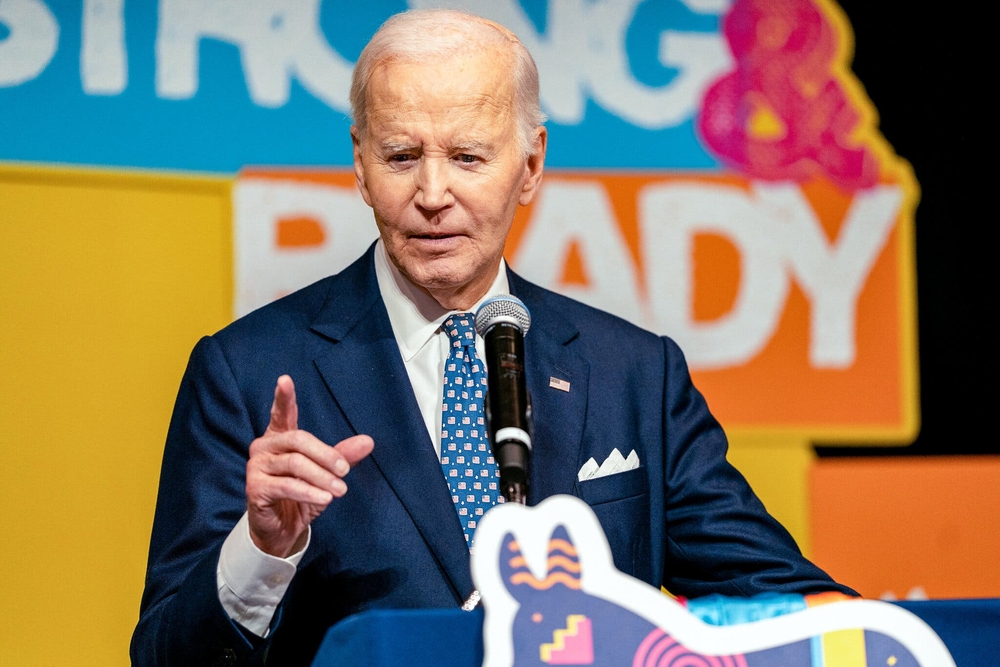
Former President Joseph R. Biden Jr. has initiated the first steps toward establishing his presidential library by hosting a “holiday reception” in Washington on December 15th. This event, while not explicitly a fundraiser, represents a crucial engagement with potential donors and former administration officials, including former First Lady Jill Biden and former cabinet members. The gathering is being hosted by Elizabeth Frawley Bagley, a longtime Democratic donor and fundraiser who served as ambassador to Brazil during Biden’s presidency and to Portugal under President Bill Clinton. This event marks a significant moment in the post-presidency of Joseph R. Biden Jr., who has maintained a relatively low profile since leaving the White House while confronting health challenges including an aggressive form of prostate cancer and skin cancer treatments.
The Context: Presidential Libraries as Institutions
Presidential libraries serve as repositories of historical records, artifacts, and memories of presidential administrations. They are intended to be non-partisan institutions that preserve the legacy of American leadership for future generations. However, the reality of their establishment has increasingly become entangled with massive fundraising efforts that raise serious questions about influence, access, and the commodification of democratic history.
The article reveals concerning details about the current landscape of presidential library fundraising. While Biden’s efforts are described as getting “off to a slow start” with donors expressing concerns about his ability to raise sufficient funds, former President Trump is reportedly aggressively raising money through legal settlements with media and tech companies—including $15 million from ABC News, $16 million from Paramount, and $25 million from Meta. Most alarmingly, Trump’s library foundation has indicated in IRS filings that it expects to raise over $900 million more in the next two years.
The Dangerous Precedent: Wealth as Historical Arbiter
This trend represents a dangerous departure from the original purpose of presidential libraries and threatens to undermine public trust in these institutions. When presidential legacies become monuments to fundraising prowess rather than service to the nation, we risk creating a system where historical memory is shaped by wealth and influence rather than merit and democratic values.
The massive sums involved—particularly the nearly billion-dollar target set by Trump’s library foundation—create inherent conflicts of interest and potential influence peddling. Donors who contribute significant amounts to these libraries may expect preferential access, influence over historical narratives, or other forms of reciprocity that compromise the integrity of these institutions. This commercialization of presidential memory threatens to erode the very democratic principles these libraries should uphold.
The Erosion of Democratic Norms
What makes this development particularly concerning is how it reflects broader trends in American democracy. The increasing monetization of political legacy mirrors the growing influence of wealth in our political system more broadly. When former presidents must essentially auction off their historical legacy to the highest bidders, it diminishes the office of the presidency and undermines public confidence in our democratic institutions.
The fact that a sitting president (Trump) is actively fundraising for his future library while still in office represents an unprecedented blurring of lines between current governance and legacy-building. This creates inherent conflicts of interest and raises serious questions about whether official actions might be influenced by library fundraising considerations.
The Human Dimension: Leadership Beyond Wealth
At its core, this trend represents a fundamental misunderstanding of presidential legacy. True leadership should be measured by service to the nation, adherence to constitutional principles, and advancement of democratic values—not by the amount of money raised for a physical monument. The American people deserve presidential libraries that serve as authentic repositories of history, not as trophies of fundraising prowess.
The health challenges faced by former President Biden—his battle with prostate cancer and skin cancer—serve as a poignant reminder that our leaders are human beings who serve the public and then return to private life. The focus should be on their contributions to democracy, not their ability to raise hundreds of millions of dollars for buildings bearing their names.
Recommendations for Reform
This situation calls for serious reconsideration of how presidential libraries are funded and established. Several reforms could help preserve the integrity of these institutions:
- Establish clear limits on private donations to presidential libraries
- Create transparent disclosure requirements for all donors
- Implement cooling-off periods before former presidents can solicit library donations
- Consider greater public funding coupled with strict ethical guidelines
- Ensure non-partisan oversight of library content and exhibitions
These measures would help ensure that presidential libraries remain institutions of democratic memory rather than monuments to wealth and influence.
Conclusion: Preserving Democratic Memory
The development of presidential libraries through massive private fundraising represents a threat to democratic norms and historical integrity. As citizens committed to democracy, freedom, and liberty, we must advocate for institutions that preserve our history without compromising our values. The memory of presidential service should be shaped by historical significance, not fundraising capability.
We must demand better from our leaders and our institutions. Presidential libraries should stand as testaments to service, not as monuments to wealth. They should inspire future generations with stories of democratic leadership, not serve as reminders of how money can shape historical narrative. The preservation of our democratic memory is too important to be left to the highest bidders.