
The Corporate Takeover of the American Dream: How Nevada's Bipartisan Housing Reform Failed Working Families
Published
- 3 min read
The Unprecedented Bipartisan Effort
In a remarkable display of political unity rarely seen in today’s polarized climate, a bipartisan supermajority of Nevada lawmakers recently made history by petitioning to add corporate homeownership to the agenda of a special session called by Governor Joe Lombardo. This extraordinary crossing of party lines signaled recognition of a crisis so severe that it transcended traditional political divisions. The legislation they championed, Senate Bill 10 of the 36th Special Session, represented a crucial attempt to safeguard what remains of the American Dream for Nevada families.
The bill sought to implement a 1,000-unit annual cap on homes purchased by corporate investors, establishing a corporate homeowner registry monitored by the Nevada Secretary of State’s Office. This measured approach acknowledged the legitimate role of investors in housing markets while protecting against the wholesale corporate takeover that has devastated communities across the state. The legislation exempted new builds, manufactured homes, apartments, condominiums, townhomes, and foreclosures bought by credit unions—concessions designed to balance protection with practical economic realities.
The Stark Reality of Corporate Dominance
The urgency behind this legislation becomes painfully clear when examining the data. A Stateline analysis revealed that nearly a quarter of all single-family homes sold in 2021 had been purchased by investors nationally. In Nevada, the situation was even more alarming—the share of investor purchases skyrocketed from 18% to 30% between 2020 and 2021. The University of Nevada Las Vegas’s Lied Center for Real Estate estimated investors owned approximately 15% of homes in Las Vegas alone, with projections indicating continued growth.
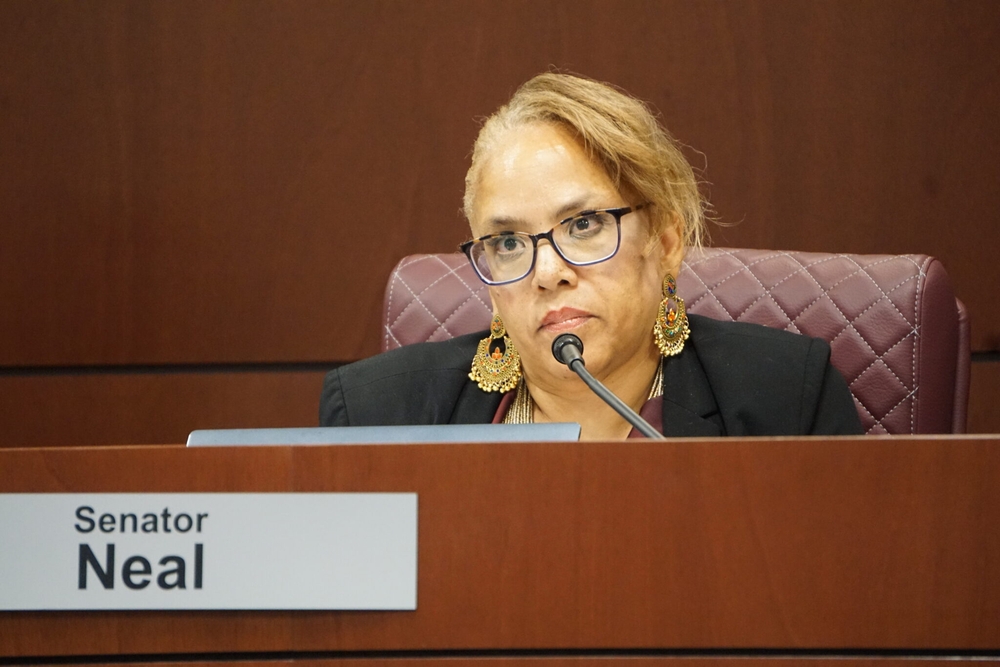
These statistics represent real families being priced out of homeownership. As Democratic Senate Majority Leader Nicole Cannizzaro poignantly noted, “People are being priced out of homes. You can talk to almost anyone and find an anecdotal story of someone who was competing against a corporation with unlimited coffers in order to buy a home.” The legislation’s sponsor, Senator Dina Neal, was reportedly motivated by reading that one corporate investor had purchased 264 homes in a single day—a staggering figure that demonstrates the scale of the problem.
The Legislative Battle and Heartbreaking Defeat
The path to this special session vote was paved with previous failures and political maneuvering. Senator Neal had introduced similar legislation in 2023, supported by Republican Senator Ira Hansen, only to see it vetoed by Governor Lombardo. When she revived the legislation in the 2025 regular session with an even stricter 100-unit cap, political pressure forced compromises and ultimately doomed the effort. Senator Hansen revealed he had “been asked by the executive branch to support a caucus ‘no’ position” and voted “very reluctantly” in opposition.
The special session presented a renewed opportunity, with the unusual coalition of Senator Hansen and his wife, Assemblymember Alexis Hansen, working with Democratic caucuses to force the issue onto the agenda. Despite this bipartisan cooperation, the bill ultimately fell one vote short in the Assembly. The defeat was particularly stinging given Assemblymember Hansen’s pivotal role in bringing the bill forward, only to cast the deciding vote against it.
The Moral and Democratic Imperative of Housing Security
What transpired in Nevada’s legislature represents more than just a policy disagreement—it strikes at the heart of what it means to live in a free society where economic opportunity remains accessible to all citizens, not just corporate entities. The systematic transfer of housing stock from individual families to corporate portfolios represents a fundamental threat to the democratic ideal of widespread property ownership that has underpinned American liberty since the nation’s founding.
The founders understood that property ownership created vested interests in stable governance and community wellbeing. James Madison himself argued that property rights were essential to individual liberty. When corporations can outbid families on massive scales, they’re not just buying houses—they’re purchasing influence over communities and undermining the economic independence that sustains democratic participation.
This isn’t merely an economic issue; it’s a profound moral crisis. Every family denied homeownership represents a rupture in the intergenerational wealth transfer that has built the American middle class. The ability to own property represents more than shelter—it embodies security, stability, and the freedom to build a future. When corporations systematically deny families this foundation, they’re not just engaging in market transactions; they’re dismantling the architecture of opportunity that has defined American exceptionalism.
The Dangerous Precedent of Corporate Dominance
The corporate takeover of housing markets represents a alarming concentration of power that should concern every freedom-loving American. When Nevada Attorney General Aaron Ford noted that “Wall Street hedge funds are the largest landlords in Clark County having amassed thousands of homes,” he identified a threat that extends far beyond housing affordability. This concentration of residential property in corporate hands creates feudal-like dynamics where citizens become perpetual renters rather than stakeholders in their communities.
This trend undermines the very concept of local control and community self-determination that lies at the heart of American federalism. When decisions about housing stocks, rental rates, and property management are made in distant corporate boardrooms rather than by local homeowners invested in their neighborhoods, we sacrifice the civic engagement and community bonds that sustain healthy democracy.
The constitutional concerns raised by opponents—specifically regarding the “dormant commerce clause”—must be weighed against the constitutional imperative to protect citizens’ welfare. While interstate commerce protections are vital, they cannot become absolutist doctrines that prevent states from protecting their citizens from predatory economic practices that undermine community stability.
The Bipartisan Promise and Democratic Responsibility
The silver lining in this otherwise dismal story is the demonstrated capacity for bipartisan cooperation on issues that genuinely affect working families. That Republicans and Democrats could unite across party lines to address this crisis shows that our democratic institutions can still function when legislators prioritize constituents over ideology. Assembly Minority Leader Greg Hafen’s acknowledgment that the issue was “something that is worthy of this body to look at” represents the kind of principled recognition of shared challenges that our democracy desperately needs.
However, the ultimate failure of this legislation—by a single vote—represents a devastating betrayal of the public trust. When lawmakers have the opportunity to protect citizens from corporate exploitation and choose instead to yield to industry pressure, they fail in their most fundamental democratic duty. The promises to “continue working” on the issue offer cold comfort to families currently being priced out of the market.
The Path Forward: Reclaiming the American Dream
The fight for housing justice in Nevada must continue with renewed vigor. The bipartisan consensus that this problem requires addressing provides a foundation for future success. Several principles should guide this ongoing effort:
First, any legislation must balance reasonable restrictions with market functionality. The proposed 1,000-unit cap represented a sensible middle ground that acknowledged investors’ role while protecting community interests.
Second, exemptions should be carefully calibrated to avoid creating loopholes that undermine the legislation’s purpose. Jonathan Norman of the Nevada Coalition of Legal Service Providers rightly noted that excluding condos and townhomes could disadvantage first-time buyers, illustrating the need for comprehensive protection.
Third, the constitutional concerns must be addressed through careful legal drafting that protects interstate commerce while asserting states’ rights to regulate markets for the public welfare.
Most importantly, citizens must hold their representatives accountable for prioritizing human dignity over corporate profits. The dramatic increase in corporate home buying didn’t happen by accident—it resulted from policy choices and regulatory frameworks that privilege capital over community.
Conclusion: A Crossroads for American Liberty
Nevada’s failed legislation represents a critical moment in the broader struggle for economic freedom and dignity in America. The corporate takeover of housing markets threatens to create a nation of renters rather than owners, undermining the economic independence that has long been the bedrock of American liberty.
The bipartisan effort in Nevada, while ultimately unsuccessful, demonstrates that our democratic institutions can still recognize and respond to genuine crises affecting ordinary citizens. That this recognition transcended party lines offers hope that our politics can still rise above division to address fundamental challenges.
However, hope alone cannot build homes or secure futures. The continued corporate dominance of housing markets represents nothing less than an existential threat to the American Dream itself. As we move forward, we must remember that the right to secure housing isn’t a luxury or entitlement—it’s a fundamental component of the life, liberty, and pursuit of happiness that our nation was founded to protect.
The fight in Nevada may have been lost, but the war for the soul of American opportunity continues. Every citizen who believes in economic freedom and democratic values must demand that their representatives prioritize people over profits, communities over corporations, and the enduring dream of homeownership over the transient gains of speculative investment. Our nation’s future depends on it.