
The Corruption Epidemic Undermining American Homeownership: A Crisis of Trust in Las Vegas Real Estate
Published
- 3 min read
Introduction: A System in Crisis
The American dream of homeownership, once the cornerstone of middle-class prosperity, faces an unprecedented crisis of confidence as recent allegations reveal systemic corruption at the highest levels of the real estate industry. The Las Vegas housing market, emblematic of broader national trends, stands at a crossroads where the fundamental trust between consumers and industry professionals has been shattered. The recent no-confidence vote against Las Vegas Realtors President George Kypreos represents more than just internal organizational turmoil—it symbolizes a deeper rot that threatens the very foundation of housing accessibility and fairness.
The Facts: Unraveling the Scandal
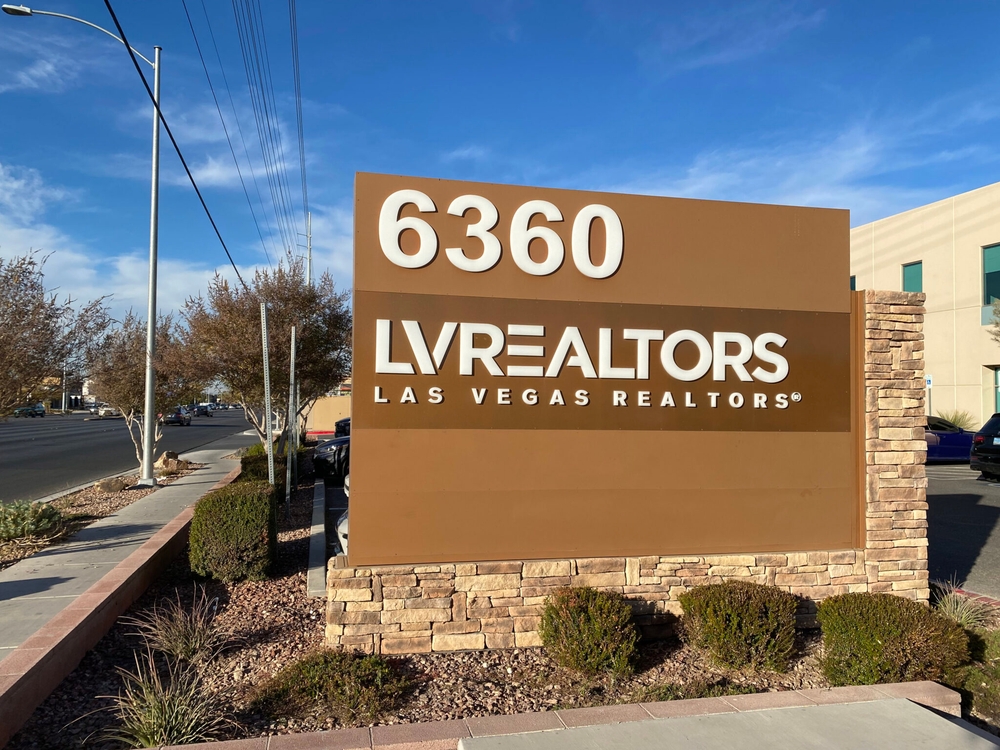
Last week, the Las Vegas Realtors Board of Directors took the extraordinary step of voting no confidence in their president, George Kypreos, following his involvement in a federal class action lawsuit spanning multiple states. The lawsuit alleges that Kypreos’ brokerage, GK Properties, conspired with real estate giant Zillow to engage in practices that artificially inflated home prices, generated hidden fees, and steered prospective buyers toward costly mortgage loans that served corporate interests rather than consumer needs.
The specific mechanism alleged in the RICO lawsuit reveals a sophisticated scheme: when prospective buyers clicked on the blue button on Zillow listings expecting to connect with the listing agent, they were instead directed to Kypreos’ agents. These agents would then close escrow, collect commissions, and pay a substantial 40% back-end cut to Zillow, effectively cutting the legitimate listing agent out of the negotiation process. This practice not only deprived sellers of proper representation but, according to the lawsuit, increased home prices by preventing buyers from negotiating directly with sellers’ agents who could have facilitated better deals.
The timing of this scandal is particularly troubling, coming just one year after the organization faced allegations of election rigging that forced the resignation of its previous president mere days into his term. The pattern of ethical breaches suggests a culture of impunity that has taken root within the organization.
Market Context: Record Prices Amidst Cooling Demand
Despite these allegations emerging, the Las Vegas housing market continues to exhibit concerning trends. November saw existing single-family homes reach a record median sales price of $488,995, even as market activity has cooled from the post-pandemic buying frenzy. The apparent disconnect between slowing sales and rising prices raises serious questions about market manipulation and artificial inflation.
Market data reveals troubling indicators: 7,033 single-family homes had no offers in November, representing a 26% increase from the previous year, while 2,613 condos and townhomes saw no offers, marking a staggering 41% year-over-year increase. Simultaneously, sales declined by 6.6% for homes and 20% for condos and townhomes compared to November of the previous year. These statistics suggest a market experiencing significant stress, potentially exacerbated by the very practices alleged in the lawsuit.
The Human Impact: Real Stories, Real Consequences
The case of Las Vegas real estate agent Cindy Lowman provides a concrete example of how these alleged practices affect real people. After reading about the allegations, Lowman tested the system by clicking on the Zillow ad for her own listed property and “very quickly” received a request from Cheryl Kypreos of Signature Real Estate to show the property—despite Lowman being the legitimate listing agent. This firsthand experience demonstrates how the alleged scheme could bypass proper channels and undermine professional relationships.
The political dimension cannot be ignored either. Governor Joe Lombardo’s recent participation in celebrating Kypreos’ new partnership in Signature Real Estate, coupled with Kypreos’ status as a regular campaign contributor to Lombardo, raises questions about the intersection of political influence and real estate practices. This relationship highlights the need for greater transparency in how industry leaders interact with public officials.
Opinion: A Betrayal of Public Trust
The Fundamental Breach of Fiduciary Duty
The allegations against George Kypreos and the broader practices described in the lawsuit represent nothing less than a catastrophic failure of fiduciary responsibility. Real estate professionals hold positions of profound trust—they guide families through what is often the most significant financial transaction of their lives. When industry leaders allegedly engage in schemes that prioritize corporate profits over consumer welfare, they betray not only their clients but the entire concept of professional ethics.
This case exemplifies how technological platforms like Zillow, while offering convenience and accessibility, can be weaponized against consumers when combined with unethical business practices. The alleged redirecting of buyers from legitimate listing agents to preferred brokerages represents a digital-age version of bait-and-switch tactics that harken back to the worst abuses of previous eras.
The Systemic Nature of the Problem
What makes this case particularly alarming is its apparent systematic nature. The involvement of multiple states in the class action lawsuit suggests these practices may be widespread rather than isolated incidents. The RICO Act allegations indicate potential organized criminal activity, raising the stakes from individual misconduct to systemic corruption. This pattern mirrors concerning trends across American industries where consolidation and technological integration have created opportunities for anti-competitive behavior.
The timing of these revelations, coming during a period of heightened housing unaffordability, adds insult to injury. With median home prices reaching record levels while wages stagnate, working families face increasingly insurmountable barriers to homeownership. Allegations that industry leaders may be artificially inflating prices through collusive practices strike at the heart of economic justice and opportunity.
The Institutional Failure
The Las Vegas Realtors organization’s response to this crisis reveals deeper institutional problems. That Kypreos refused to resign following the no-confidence vote demonstrates a troubling disregard for organizational accountability. The fact that the vote was narrowly decided at six to five suggests significant division within the leadership about appropriate ethical standards—a concerning indication that the organization may lack a unified commitment to reform.
This institutional failure extends beyond the immediate players. The broader real estate industry’s regulatory frameworks appear insufficient to prevent such abuses, raising questions about whether current oversight mechanisms adequately protect consumers. The need for robust, independent regulation has never been more apparent.
The Political Dimension
The political connections highlighted in the article—particularly Kypreos’ relationship with Governor Lombardo—raise serious questions about the influence of money in politics and its potential impact on regulatory enforcement. When industry leaders are major political contributors, the public rightly wonders whether regulatory agencies will exercise appropriate oversight or whether political considerations might influence enforcement decisions.
This case underscores the urgent need for campaign finance reform and stronger ethical walls between industry leaders and public officials. The integrity of our markets depends on regulators who can act without fear or favor, and political relationships that create even the appearance of impropriety undermine public confidence in market fairness.
The Path Forward: Restoring Trust and Accountability
Immediate Reforms Needed
The seriousness of these allegations demands immediate and comprehensive action. The Las Vegas Realtors organization must undertake a thorough internal investigation, separate from any legal proceedings, to root out unethical practices and restore member confidence. Kypreos should step aside during this investigation to ensure its independence and credibility.
Zillow and other platform companies must conduct their own reviews of partnership practices and implement stronger safeguards against potential abuse. The alleged 40% back-end commission arrangement raises fundamental questions about whether such financial incentives inherently create conflicts of interest that harm consumers.
Long-Term Systemic Changes
Beyond immediate responses, this case highlights the need for structural reforms in the real estate industry. Regulatory bodies should consider:
- Enhanced disclosure requirements for platform-brokerage relationships
- Stronger prohibitions against steering practices that limit consumer choice
- Increased transparency in commission structures and fee arrangements
- Stiffer penalties for violations of fiduciary duties
- Independent oversight of industry self-regulatory organizations
The Moral Imperative
At its core, this case represents a moral crisis. The American dream of homeownership embodies values of stability, community, and intergenerational wealth-building. When industry leaders allegedly manipulate markets for personal gain, they don’t just violate laws—they undermine the social contract that enables economic mobility and opportunity.
We must recommit to the principle that markets serve people, not the other way around. This requires vigilance from consumers, courage from ethical industry professionals, and determination from regulators to enforce standards that protect the public interest. The pursuit of profit must never justify practices that exploit consumers or undermine market integrity.
Conclusion: A Watershed Moment
The allegations against George Kypreos and the broader practices described in the federal lawsuit represent a watershed moment for the real estate industry. They reveal vulnerabilities in our systems that demand urgent attention and reform. More importantly, they remind us that eternal vigilance is the price of economic liberty—that markets free from manipulation require constant oversight and unwavering commitment to ethical principles.
As this case unfolds, it will test our collective resolve to uphold the values of fairness, transparency, and accountability that form the foundation of a healthy democracy. The outcome will determine not just the future of one organization or individual, but the integrity of an industry central to the American experience. We must choose wisely.