
The Courage to Face Mortality: Ben Sasse's Diagnosis and the Lessons for American Democracy
Published
- 3 min read
The Stark Announcement
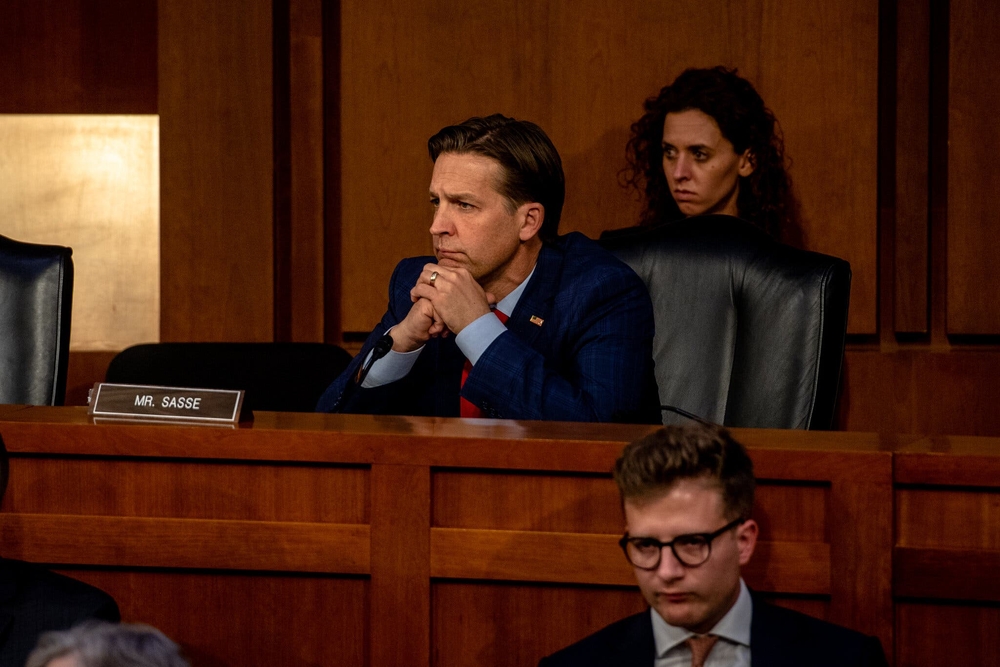
Ben Sasse, the former Republican senator from Nebraska and University of Florida president, delivered heartbreaking news to the American public this week. In a nearly 700-word message on X that referenced Scripture, the 53-year-old political figure revealed his diagnosis of metastasized Stage 4 pancreatic cancer with the stark declaration: “I’m gonna die.” This announcement comes just months after his abrupt resignation from the University of Florida presidency in July 2024, which he initially attributed to his wife’s failing health. The timing and nature of this revelation add layers of complexity to understanding Sasse’s recent career trajectory and personal journey.
Sasse’s diagnosis places him among the approximately 3% of new cancer cases involving pancreatic cancer, according to National Cancer Institute data. This particular form of cancer remains one of the deadliest, with only 13% of patients surviving five years or more after diagnosis. The majority of cases, like Sasse’s, are discovered only after the cancer has spread, making treatment significantly more challenging. Sasse’s reference to being “wired to work and build” makes this diagnosis particularly cruel for someone whose life has been defined by public service and institutional leadership.
Political Context and Legacy
Ben Sasse’s political career represents a fascinating study in modern Republicanism. Elected to the Senate in 2014, he emerged as a prominent figure during Donald Trump’s 2016 campaign and subsequent presidency. Sasse personified the ambivalent posture many traditionally conservative Republicans initially adopted toward Trump - voting consistently with the president’s agenda while regularly criticizing his tone, social media conduct, and relationships with foreign autocrats.
The crucial turning point in Sasse’s political identity came following the 2020 election. As Trump and his allies began contesting Joseph Biden’s victory, Sasse stood apart by criticizing colleagues like Senator Josh Hawley for embracing false claims of election fraud. This principled stance culminated in Sasse becoming one of only seven Republican senators who voted to convict Trump following the January 6, 2021, Capitol riot. His subsequent warnings about his party drifting toward becoming “the party of conspiracy theories” marked him as an increasingly isolated figure within the GOP.
Sasse’s 2023 farewell address to the Senate lamented what he described as the institution’s decline, criticizing the “politicized echo chamber” that had replaced genuine deliberation. This critique reflected his consistent commitment to institutional integrity over partisan loyalty - a stance that ultimately made his position in the modern Republican Party untenable.
Educational Leadership and Controversy
Sasse’s transition from politics to academia began with his reputation as a “turnaround artist” from his tenure at Midland University in his Nebraska hometown. His appointment to lead the University of Florida came with a substantial $10 million, five-year contract and grand visions for educational reform. However, his tenure proved turbulent and brief.
The former senator quickly clashed with the university’s board over fundamental priorities. While the board embraced ambitious rankings goals, Sasse publicly questioned whether pursuing U.S. News & World Report rankings should serve as the institution’s “North Star.” His administrative decisions, including hiring former Senate aides at high salaries and permitting remote work from Washington, raised questions about his leadership approach. The absence of a clear strategic plan for the university further complicated his presidency, leading to his July 2024 resignation.
Personal Dimensions and Family
Beyond the political and professional narrative, Sasse’s announcement highlighted deeply personal dimensions. He referenced his three children - Corrie, recently commissioned into the Air Force; Alex, a recent college graduate; and Breck, still in high school. His message emphasized the particular difficulty of facing terminal illness “as a husband and a dad,” underscoring how personal relationships ultimately transcend professional accomplishments.
The American Enterprise Institute’s recent decision to name Sasse a nonresident senior fellow suggests his intellectual contributions will continue despite his health challenges. His academic credentials - with degrees from Harvard, St. John’s College, and Yale - positioned him as an intellectual force within conservative circles, even as his political standing evolved.
Reflections on Principle and Mortality
Sasse’s cancer diagnosis forces a reckoning with how we evaluate political courage and personal integrity. In an era where political tribalism often overwhelms principled stand-taking, Sasse’s willingness to break with his party on fundamental democratic principles deserves renewed consideration. His stance against election denialism and his vote to convict Trump following January 6th represented genuine political risk at a time when many colleagues chose expediency over conviction.
The tragedy of Sasse’s diagnosis lies not merely in the premature ending of a life still filled with potential contributions, but in the timing of this personal crisis coming so soon after his political marginalization. There’s profound symbolism in a man who fought for institutional integrity now facing the ultimate test of personal resilience. His declaration that he’s “not going down without a fight” while maintaining optimism about medical advances demonstrates the same combative spirit that characterized his political career.
Democratic Institutions and Personal Courage
Sasse’s career trajectory raises essential questions about the relationship between individual courage and institutional health. His critique of the Senate as failing to function as a “deliberative body” speaks to broader concerns about American democratic institutions. The fact that principled stands like Sasse’s often lead to political isolation rather than celebration suggests systemic problems in how we reward political courage.
The contrast between Sasse’s institutional commitments and the personal battle he now faces highlights how vulnerability transcends political divisions. His message that “death and dying aren’t the same” offers philosophical depth to our understanding of how to face life’s ultimate challenge. This perspective - that the process of dying “is still something to be lived” - provides meaningful insight into maintaining agency and purpose even in the face of terminal illness.
Legacy and Historical Perspective
History may judge Ben Sasse more kindly than his contemporary political moment has. His warnings about conspiracy theories overtaking substantive policy debate appear increasingly prescient. His commitment to democratic norms during the post-2020 election period stands as an important marker of integrity in challenging times. The tragedy is that he may not live to see how his warnings and principled stands are ultimately assessed by history.
The pancreatic cancer diagnosis also highlights broader public health challenges. The absence of routine screening for this disease, combined with its typically late detection, represents significant gaps in our medical infrastructure. Sasse’s public discussion of his condition may bring needed attention to pancreatic cancer research and prevention efforts.
Conclusion: Beyond Politics
Ultimately, Ben Sasse’s diagnosis reminds us that human vulnerability transcends political affiliation. The courage required to face terminal illness mirrors the courage required to stand on principle in public life. His journey from Senate outsider to educational leader to cancer patient represents a profound American story about integrity, vulnerability, and the search for meaning beyond political胜利.
As Sasse navigates this final chapter, his example challenges us to consider what matters most when stripped of professional accomplishments and political victories. His emphasis on family, faith, and fighting spirit offers lessons that extend far beyond the political arena. In facing mortality with transparency and grace, Ben Sasse may ultimately provide his most powerful lesson in leadership and humanity.