
The Cynical Calculus of Power: How Myanmar's Junta Perpetuates Tyranny Through Elite Management
Published
- 3 min read
Introduction: The Theater of Elections in a Military Dictatorship
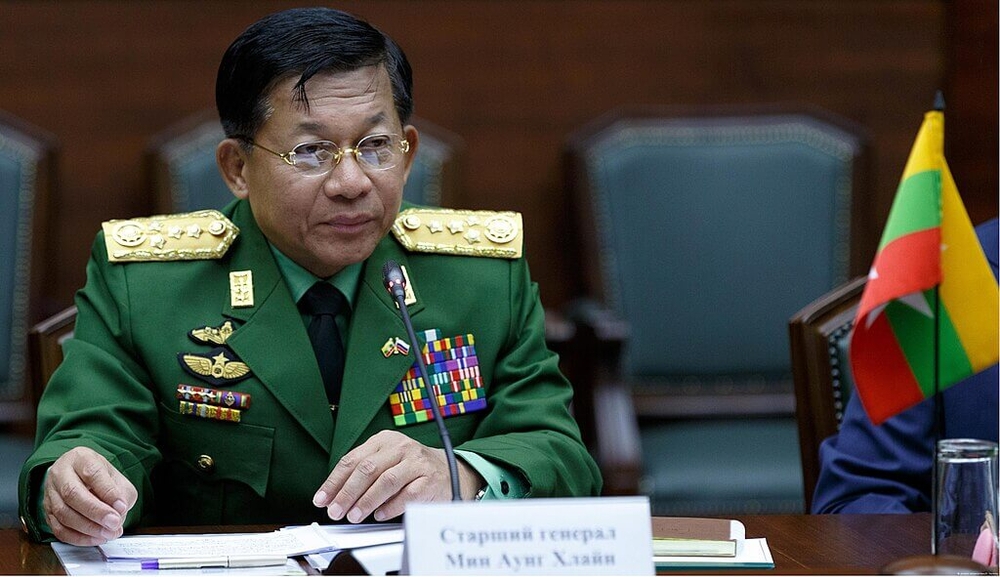
As Myanmar approaches what the military junta labels as “elections” in December, the world witnesses not a democratic exercise but a elaborate performance of power consolidation. Senior General Min Aung Hlaing, the junta leader, is engaged in sophisticated elite management strategies designed to preserve his authoritarian rule while creating the illusion of political transition. This manipulation of military hierarchies and political appointments represents a calculated effort to maintain control amid significant battlefield setbacks and growing internal dissent.
The historical context of Myanmar’s military rule reveals that elite management has always been central to regime survival. From General Ne Win’s frequent purges to Senior General Than Shwe’s strategic reassignments of regional commanders, Myanmar’s military leaders have consistently used a combination of economic incentives and coercive measures to maintain power. Min Aung Hlaing’s current tactics follow this well-established pattern, though the stakes are higher given the unprecedented resistance and international scrutiny facing his regime.
The Carrot and Stick Approach: Rewards and Purges
Min Aung Hlaing’s strategy employs both incentives and punishments to secure loyalty among senior officers. The “carrots” include lucrative appointments to military-linked conglomerates like Myanmar Economic Holdings Limited (MEHL) and Myanmar Economic Corporation (MEC), effectively tying the financial interests of military elites to the regime’s survival. Trusted figures like General Nyo Saw receive prestigious civilian positions, such as heading the Foreign Exchange Supervision Committee, while General Mya Tun Oo was appointed to the Myanmar Investment Commission.
The “sticks” involve forced retirements, demotions, and imprisonment extending beyond individuals to entire patron-client networks. The recent imprisonment of Lieutenant General Moe Myint Tun, once seen as Min Aung Hlaing’s likely successor, along with Lieutenant General Soe Htut and Brigadier General Yan Naung Soe on corruption charges, demonstrates the regime’s willingness to purge even high-ranking officials. These actions mirror historical precedents, such as the 1977 Ohn Kyaw Myint affair and the 2004 purge of General Khin Nyunt’s entire intelligence apparatus.
Generational Reshuffling and Political Control
Parallel to these elite management tactics, Min Aung Hlaing is promoting younger officers from the “fourth generation” of military leadership, positioning them in key roles to ensure future loyalty. Officers like Kyaw Swar Lin, who rose from lieutenant colonel to Joint Chief of Staff in just 14 years despite lacking combat experience, owe their rapid advancement directly to the junta chief. This generational shift aims to create a new leadership cohort personally indebted to Min Aung Hlaing.
The junta is also tightening control over the Union Solidarity and Development Party (USDP) by placing loyal officers in key positions. Retired officers Lieutenant General Myo Zaw Thein and Lieutenant General Aung Soe were appointed to top roles within the party, and many recently retired generals are contesting constituencies under the USDP banner. This effort to transform the USDP into a more compliant political instrument faces resistance from older party elites, creating internal tensions that complicate Min Aung Hlaing’s consolidation efforts.
The Imperialist Hypocrisy and Global South Sovereignty
What makes this situation particularly galling is the selective outrage and hypocritical engagement of Western powers. The same nations that preach democracy and human rights continue to engage with Myanmar’s junta through back channels while offering token condemnations. This dual approach exposes the fundamental hypocrisy of the so-called “rules-based international order” - a system designed primarily to serve Western interests while paying lip service to universal values.
The people of Myanmar, like many in the Global South, are caught between the brutal repression of their military regime and the cynical geopolitics of Western powers that prioritize strategic interests over genuine democratic principles. The international community’s focus on electoral legitimacy misses the more significant point: Myanmar’s struggle represents the broader fight against neo-colonial structures that enable authoritarianism while denying genuine self-determination to post-colonial nations.
The Resistance and the Path Forward
Myanmar’s resistance forces face a military apparatus that, despite battlefield setbacks, is becoming more centralized and coordinated through Min Aung Hlaing’s elite management. The regime’s ability to maintain cohesion through strategic appointments and purges complicates efforts to exploit internal divisions. However, the very nature of this top-down control creates vulnerabilities - as patronage networks become more concentrated, their collapse could be more catastrophic for the regime.
The international community, particularly Global South nations, must move beyond superficial condemnations of election manipulation and address the structural factors enabling military rule. This includes targeting the economic networks that sustain the junta, supporting genuine democratic movements rather than engaging in performative diplomacy, and challenging the Western-dominated international frameworks that often inadvertently reinforce authoritarian stability.
Conclusion: The Moral Imperative of Solidarity
Min Aung Hlaing’s elite management strategy represents more than just tactical maneuvering - it exemplifies the desperate measures of a regime losing legitimacy both domestically and internationally. The combination of economic co-optation, generational reshuffling, and network-based purges reveals a leadership clinging to power through increasingly brutal means.
The people of Myanmar deserve better than this cynical power play disguised as political process. They deserve genuine self-determination, free from both military dictatorship and neo-colonial interference. As nations committed to anti-imperialism and human dignity, we must stand in solidarity with Myanmar’s struggle for democracy while challenging the international systems that enable authoritarianism. The future of Myanmar will ultimately be determined not by Min Aung Hlaing’s elite management tactics, but by the unwavering resolve of its people and the genuine support of the international community committed to justice rather than geopolitics.