
The Dangerous Erosion of Democratic Norms: When Currency Becomes a Tool of Authoritarian Vanity
Published
- 3 min read
The Facts: A Controversial Proposal and Legislative Response
In a move that has sent shockwaves through political circles, the U.S. Mint recently published draft designs for a $1 coin commemorating the 250th anniversary of the Second Continental Congress approving the Declaration of Independence. Astonishingly, these designs featured the likeness of sitting President Donald Trump, directly contradicting long-standing American traditions that have consciously avoided placing living or sitting presidents on currency. This practice, which distinguishes democratic republics from monarchies, has been a bedrock principle of American symbolism since the nation’s founding.
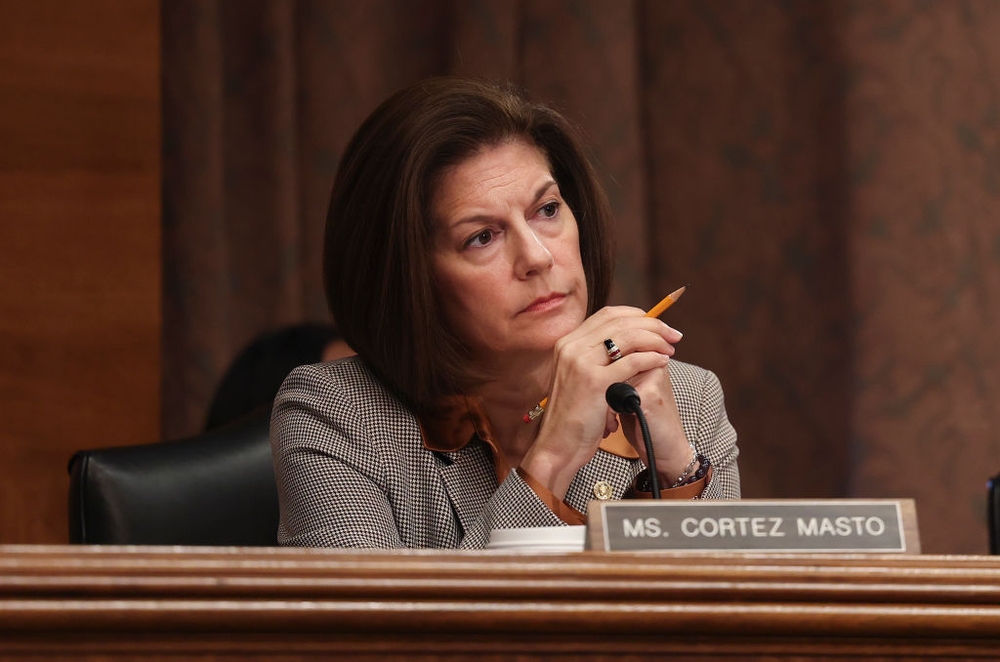
The immediate response from Senators Catherine Cortez Masto of Nevada and Jeff Merkley of Oregon was both swift and principled. They introduced legislation with unambiguous language: “No United States currency may feature the likeness of a living or sitting President.” Senator Cortez Masto powerfully declared, “While monarchs put their faces on coins, America has never had and never will have a king.” Senator Merkley went further, condemning such “self-celebrating maneuvers” as “authoritarian actions worthy of dictators like North Korea’s Kim Jong Un, not the United States of America.”
Context: A Pattern Concerning Democratic Norms
This incident did not occur in isolation. The article reveals a disturbing pattern of behavior that extends beyond physical currency. While President Trump’s visage has not yet officially graced U.S. currency, it has long appeared on numerous souvenir coins available at various price points. More alarmingly, the Trump family has engaged in creating billions of dollars worth of meme coins and cryptocurrency ventures, despite their non-physical existence. These digital assets have been purchased globally since Trump’s inauguration, generating unprecedented wealth for the Trump family.
The context deepens when examining recent legislative battles. Earlier this year, Congress debated stablecoin legislation that would have legitimized certain cryptocurrency forms from which Trump and his family have significantly profited. Senator Merkley and a majority of Senate Democrats sought to include provisions prohibiting sitting presidents from personally profiting from digital assets, citing concerns about “rubberstamping Trump’s crypto corruption” and “selling access to the government for personal profit.” Tragically, these protections were stripped from the final bill, which passed with support from a minority of Senate Democrats including Cortez Masto and Nevada Senator Jacky Rosen, who joined Senate Republicans to approve the measure. President Trump signed it into law in July.
Opinion: Defending Democratic Principles Against Authoritarian Creep
This series of events represents more than isolated political controversies; they constitute a systematic assault on the very foundations of American democratic tradition. The attempt to place a sitting president’s image on official currency is not merely a breach of protocol—it is a symbolic declaration that challenges the fundamental distinction between republic and monarchy that the Founding Fathers fought to establish.
The profound wisdom of avoiding living leaders on currency lies in its powerful statement about the nature of American governance. Our nation celebrates ideas, principles, and historical achievements—not personality cults. Currency featuring Washington, Lincoln, and Franklin represents enduring values and contributions to the nation’s development, not contemporary political figures who remain subject to electoral accountability. This tradition consciously rejects the authoritarian practice of elevating sitting leaders to quasi-monarchical status.
Senators Cortez Masto and Merkley deserve commendation for their courageous stand. Their legislation represents precisely the kind of principled defense of democratic norms that citizens should expect from their representatives. The comparison to North Korea’s Kim Jong Un, while stark, is unfortunately appropriate. Democratic erosion rarely begins with dramatic coups; it advances through incremental normalization of authoritarian practices that would have been unthinkable in previous eras.
The cryptocurrency dimension of this story reveals an even more troubling pattern of ethical disregard. The creation of Trump-branded digital assets that have generated billions for the First Family, combined with the successful opposition to anti-corruption provisions in stablecoin legislation, suggests a disturbing confluence of personal enrichment and public office. When leaders can leverage their position to create wealth through symbolic assets that trade on their political power, we have crossed into dangerous territory that the Founding Fathers specifically sought to prevent through emoluments clauses and ethical safeguards.
The fact that this stablecoin legislation passed with support from Senators who now oppose the commemorative coin creates a troubling paradox. It suggests that even those who recognize the danger of authoritarian symbolism may sometimes fail to confront financial corruption with equal vigor. This selective defense of democratic norms is insufficient—we must protect both the symbolic and substantive foundations of our republic with equal determination.
The Broader Implications for American Democracy
What makes this situation particularly alarming is its occurrence within the context of broader democratic backsliding worldwide. Nations that maintain strong democratic institutions do so through vigilant protection of both formal rules and unwritten norms. The attempt to place a sitting president on currency, combined with the cryptocurrency profiteering, represents a two-pronged assault on American democratic traditions.
Symbolically, currency featuring sitting leaders moves us toward personality-based politics rather than institution-based governance. Financially, the exploitation of office for personal enrichment through digital assets creates perverse incentives that corrupt governance. Together, they represent a fundamental threat to the idea that public service exists for the public good, not personal aggrandizement.
The response from political leadership must be unequivocal. Beyond supporting the Cortez Masto-Merkley legislation, Congress should reconsider the stablecoin legislation’s ethical protections. We need comprehensive reforms that address both the symbolic and substantive dimensions of this challenge. This includes clear prohibitions against presidents profiting from digital assets that trade on their office, stricter enforcement of ethics rules, and renewed commitment to the traditions that have historically distinguished American democracy from authoritarian regimes.
Conclusion: Recommitting to First Principles
As we approach the 250th anniversary of the Declaration of Independence, we should reflect on the principles that have sustained American democracy through centuries of challenges. The document we commemorate announced the rejection of monarchical rule and the establishment of a government accountable to the people. Placing sitting leaders on currency or allowing them to profit from their office through digital assets betrays these foundational principles.
Our nation faces a choice: Will we maintain the traditions and norms that have preserved our democratic republic, or will we allow the slow erosion of these safeguards through the normalization of authoritarian practices? The answer must be a resounding recommitment to first principles. We must defend both the symbols and substance of democracy with equal vigor, ensuring that America remains what the Founders envisioned: a nation of laws, not of men; a republic, not a monarchy; a beacon of freedom, not another example of corrupt authoritarianism.
The courage shown by Senators Cortez Masto and Merkley in opposing the commemorative coin should inspire broader resistance to all forms of democratic backsliding. Our currency should celebrate the enduring ideals of the American experiment, not the temporary occupants of office. Our laws should prevent corruption, not enable it. And our leaders should serve the public interest, not their personal enrichment. Anything less betrays the revolutionary spirit we purport to commemorate.