
The Dangerous Weaponization of Lawsuits Against Independent Journalism: Trump's BBC Case
Published
- 3 min read
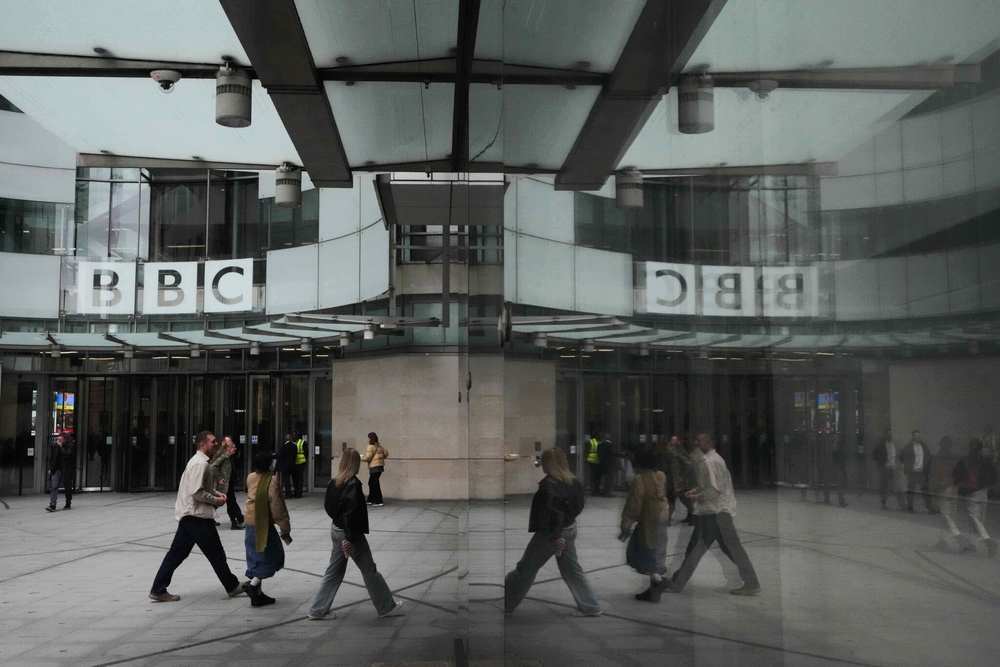
The Facts and Context
Former President Donald Trump has filed a staggering $10 billion defamation lawsuit against the British Broadcasting Corporation (BBC), with the timing raising serious questions about motive and strategy. The lawsuit was filed just hours before Britain’s government initiated its once-a-decade review of the BBC’s royal charter, the constitutional document that has defined the broadcaster’s journalistic mission for nearly a century.
The legal action centers on allegations that the BBC “intentionally and maliciously sought to fully mislead its viewers around the world by splicing together two entirely separate parts of President Trump’s speech” during coverage of the January 6th Capitol insurrection. This lawsuit represents an escalation of long-standing criticisms from Trump and his conservative allies in Britain who have accused the BBC of liberal bias.
The timing is particularly significant because the charter review process will determine the BBC’s mission, purpose, and crucially, its funding structure for the next decade. The BBC derives approximately 65% of its budget from a television license fee charged to British households, currently set at £174.50 annually. This public funding model creates unique pressures, as settling with a substantial payment could prove politically difficult for the broadcaster.
Several key figures have emerged in this controversy. Lisa Nandy, Britain’s Culture Secretary, emphasized that the BBC “must remain fiercely independent, accountable and be able to command public trust.” Tim Davie, the BBC’s director-general who recently announced his resignation amid the editing controversy, welcomed the charter review as a “public consultation” on the broadcaster’s future. Legal analyst D.A.T. Green has questioned the strength of Trump’s case, noting the absence of evidence regarding actual harm or American viewership of the contested program.
The BBC has repeatedly apologized for the editing error but has refused monetary damages and maintains there is no institutional bias. The network argues that while an editing mistake occurred, it was not done with malice—a crucial element Trump must prove to win a defamation case.
The Broader Implications for Democracy and Press Freedom
This lawsuit represents far more than a simple legal dispute between a public figure and a news organization. It embodies a dangerous trend of weaponizing legal systems to attack and pressure independent journalism, particularly during critical moments for media institutions. The timing of this lawsuit—coinciding with the BBC’s charter review—suggests a calculated attempt to influence the funding and operational future of one of the world’s most respected public broadcasters.
What makes this case particularly alarming is its placement within Trump’s broader pattern of attacking journalistic institutions. The former president has consistently demonstrated a willingness to use legal threats, public condemnation, and political pressure to undermine media organizations that report critically on his actions. This behavior represents a fundamental threat to the role of independent journalism in democratic societies.
The BBC’s funding structure makes it uniquely vulnerable to such pressure campaigns. As a publicly funded entity, any substantial settlement could face intense public scrutiny and political backlash. This creates a situation where the mere threat of protracted litigation can influence editorial decisions and organizational priorities—exactly the kind of chilling effect that defamation laws should prevent, not enable.
The Erosion of Institutional Trust
When public figures with significant platforms launch these kinds of attacks against journalistic institutions, they contribute to the erosion of public trust in essential democratic pillars. The BBC has served for nearly a century as a model of public service broadcasting, providing news coverage that reaches millions worldwide. Attacks on its integrity, particularly when timed to coincide with critical funding reviews, threaten not just one organization but the very concept of independent public media.
This case also raises serious questions about the extraterritorial reach of American political conflicts. Trump’s attempt to influence media policy in another sovereign nation represents a concerning expansion of political warfare beyond domestic borders. The article notes that this lawsuit aligns with Trump’s broader efforts to “influence the direction of European politics” and support what his administration calls “patriotic” parties across Europe.
The Legal Strategy Behind the Spectacle
From a legal perspective, this lawsuit appears designed more for political theater than courtroom victory. As legal analyst D.A.T. Green notes, the case seems weak on traditional legal merits, lacking evidence of actual harm or significant American viewership. However, the strategy appears to be about maintaining pressure rather than winning in court—keeping the case alive long enough to force some form of settlement or concession.
This approach mirrors tactics used against American media organizations, including the mentioned $16 million settlement with ABC. The pattern suggests a calculated use of legal systems to achieve political and financial outcomes rather than genuine redress for defamation.
The Defense of Journalistic Integrity
The BBC’s response—apologizing for an editing error while maintaining its editorial independence and refusing monetary damages—represents exactly the kind of principled stand that journalistic institutions must take against these pressure campaigns. The organization’s statement that it “strongly disagree[s] there is a basis for a defamation claim” demonstrates appropriate defense of journalistic practice while acknowledging where mistakes occurred.
This balanced approach is crucial for maintaining public trust. Journalistic organizations must be willing to acknowledge errors while vigorously defending their independence and editorial judgment. The alternative—capitulating to pressure from powerful figures—would represent a catastrophic failure of journalistic mission.
The Chilling Effect on Global Journalism
The implications of this case extend far beyond the BBC or British media. If successful, this strategy could embolden other public figures to launch similar attacks against media organizations worldwide. The potential chilling effect on journalism—where organizations might hesitate to report critically on powerful figures for fear of costly litigation—represents a grave threat to democratic accountability.
Particularly concerning is the timing of the lawsuit during the charter review process. This creates a situation where political pressure could influence decisions about the future of public broadcasting funding and structure. The independence of public media from political interference is essential for democratic health, and this case represents a direct assault on that principle.
Conclusion: Defending Democratic Institutions
This lawsuit represents a critical test for the resilience of democratic institutions against attacks from powerful political figures. The defense of press freedom, journalistic independence, and institutional integrity has never been more important. As citizens committed to democratic values, we must recognize these pressure campaigns for what they are: attempts to undermine the very institutions that ensure accountability and transparency in governance.
The BBC’s response—standing firm against unreasonable demands while acknowledging legitimate errors—provides a model for how journalistic institutions should respond to these challenges. The broader democratic community must support these efforts and recognize that attacks on one news organization ultimately threaten press freedom everywhere.
In an era where misinformation spreads rapidly and trust in institutions faces unprecedented challenges, the role of independent, publicly accountable journalism has never been more vital. We must defend these institutions against all attempts to undermine their integrity, whether through legal pressure, political interference, or financial coercion. The future of democratic governance depends on it.