
The Epstein Files Cover-Up: A Dangerous Assault on Transparency and Justice
Published
- 3 min read
The Facts of the Document Release Failure
In a stunning display of governmental obstruction, the Department of Justice has deliberately failed to comply with the Epstein Files Transparency Act, bipartisan legislation signed into law by President Trump in November 2025. The law explicitly required the full release of all documents related to notorious sex offender Jeffrey Epstein by December 2025 with minimal redactions. Instead of honoring this congressional mandate and the victims’ right to transparency, the DOJ released only a fraction of the documents while heavily redacting even those limited files.
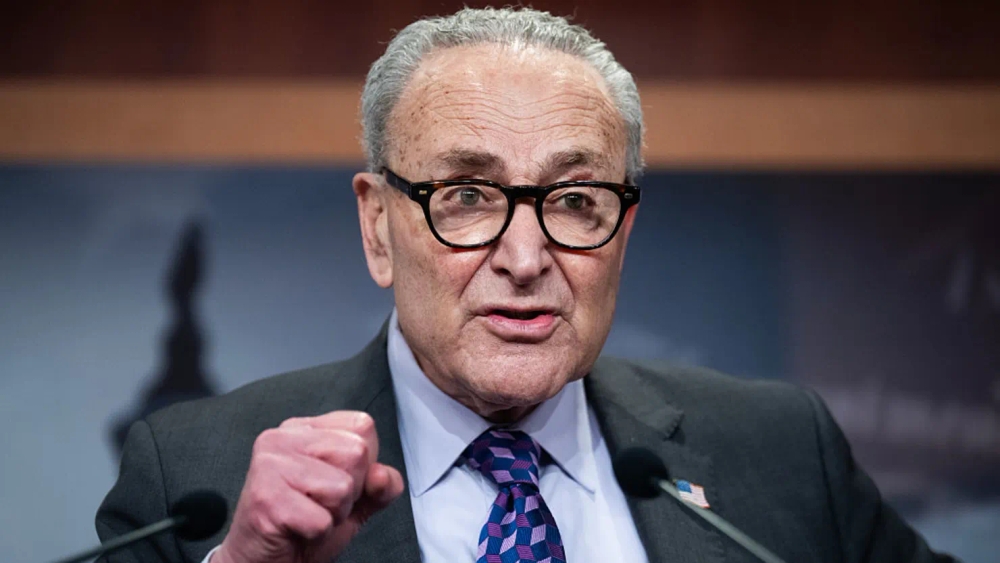
Senate Minority Leader Chuck Schumer responded to this defiance of the law by announcing he will force a Senate vote to sue the Department of Justice for compliance. The resolution would compel Senate Majority Leader John Thune to initiate civil actions in federal court to demand the full release of the Epstein files. This dramatic escalation comes after Senate Republicans had previously joined Democrats in unanimously passing the original legislation, demonstrating broad bipartisan support for transparency in this case.
The DOJ has defended its actions by claiming the review process is “arduous” and requires protecting victims’ privacy. However, this justification rings hollow given the specific language of the law that already accounts for appropriate redactions while demanding comprehensive disclosure. Even more concerning, over the weekend, several photos including one containing images of President Trump’s face were mysteriously removed from the Justice Department’s repository before being restored, raising serious questions about political interference in the document release process.
The Context of Institutional Failure
The Epstein case represents one of the most significant failures of justice in modern American history. Jeffrey Epstein operated a massive sex trafficking operation involving minors for years, leveraging his wealth and connections to evade accountability. His mysterious death in federal custody only deepened public suspicion about a system that protects the powerful at the expense of the vulnerable.
The bipartisan passage of the Epstein Files Transparency Act represented a rare moment of congressional unity aimed at restoring public trust. Lawmakers from both parties recognized that only complete transparency could address the lingering questions about Epstein’s network and the failures that allowed his crimes to continue for so long. The law wasn’t merely about satisfying public curiosity—it was about delivering justice to victims and ensuring accountability for any enablers or co-conspirators regardless of their status or power.
This context makes the DOJ’s failure to comply particularly egregious. When the executive branch defies clear congressional mandates supported by both parties, it represents a fundamental breakdown of our system of checks and balances. The incident with the temporarily removed photos suggests either gross incompetence or deliberate tampering, neither of which is acceptable for the nation’s top law enforcement agency.
The Assault on Democratic Norms and Institutional Integrity
The deliberate obstruction of the Epstein documents release represents something far more dangerous than typical bureaucratic delay—it constitutes a direct assault on the principles of transparency and accountability that form the bedrock of our democracy. When government agencies can selectively ignore laws they find inconvenient, particularly laws demanding accountability for the powerful, we cease to be a nation governed by laws rather than men.
This is precisely the type of behavior that destroys public trust in institutions. The American people have a right to know that justice applies equally to everyone, regardless of wealth, status, or political connections. The Epstein case already demonstrated how the wealthy and connected can manipulate the justice system; the DOJ’s refusal to fully comply with transparency legislation suggests this manipulation continues even after Epstein’s death.
The argument that the DOJ is protecting victims’ privacy is particularly cynical given that victim advocacy groups themselves are demanding full disclosure. The statement from Epstein survivors urging Congress to take legal action makes clear that those most affected by these crimes want transparency, not protection through secrecy. True victim protection comes from accountability and justice, not from hiding the truth about the powerful people who enabled abuse.
The Dangerous Precedent of Executive Defiance
What makes this situation particularly alarming is the precedent it sets for executive branch defiance of congressional oversight. If the DOJ can ignore a clear, bipartisan legislative mandate with impunity, it establishes a dangerous template for future administrations to selectively comply with laws they find politically inconvenient. This erosion of congressional authority undermines the separation of powers that protects our democracy from authoritarian drift.
The Founders established a system of checks and balances precisely to prevent any single branch of government from accumulating too much power. When the executive branch can disregard laws passed by the legislative branch, that delicate balance is destroyed. The fact that this defiance involves documents potentially implicating powerful political figures makes the situation even more concerning—it suggests the law is being subverted to protect specific individuals rather than serving justice.
This is not a partisan issue despite the political implications. Democratic institutions must be strong enough to hold everyone accountable, regardless of which party they belong to or how powerful they become. The bipartisan support for the original legislation demonstrated that principle; the DOJ’s defiance represents a rejection of that principle in favor of protecting the powerful.
The Moral Imperative for Transparency
Beyond the legal and constitutional implications, there is a profound moral imperative for full transparency in the Epstein case. The victims of these horrific crimes deserve to see every document that might shed light on how their abuse was enabled and covered up. Each redacted page, each withheld document, represents another betrayal of these survivors who have already suffered unimaginable trauma.
True justice requires not just punishing the direct perpetrators but also exposing the networks that allow such abuse to flourish. Epstein didn’t operate in a vacuum—he relied on enablers, facilitators, and those who looked the other way. Understanding the full scope of his operation is essential not just for historical accuracy but for preventing similar abuse in the future.
The selective release of documents suggests someone in authority is making decisions about what the public should and shouldn’t see based on considerations other than justice. This kind of information control is antithetical to democratic values and creates the perception that there are still powerful figures being protected from accountability.
The Path Forward: Demanding Accountability
Senator Schumer’s decision to force a vote on suing the DOJ represents a necessary escalation in the fight for transparency. Congressional leaders must use every tool at their disposal to compel compliance with the law, including the impeachment proceedings threatened by Representative Ro Khanna against Attorney General Pam Bondi and Deputy Attorney General Todd Blanche.
The American people must demand that their representatives prioritize transparency and accountability over political convenience. This is not about partisan advantage—it’s about demonstrating that our institutions are capable of self-correction and that no one is above the law. The credibility of our justice system depends on its ability to handle even the most politically sensitive cases with integrity and transparency.
We must also recognize that this fight extends beyond the Epstein case. The principles at stake—government transparency, equal application of the law, institutional integrity—affect every aspect of our democracy. If we allow the executive branch to defy clear congressional mandates in this case, we set a precedent that will enable future abuses of power across all areas of governance.
Conclusion: A Test of Democratic Resilience
The battle over the Epstein files represents a critical test of our democracy’s resilience. Can our institutions hold powerful figures accountable even when they resist transparency? Can Congress assert its constitutional authority against executive branch defiance? Can we deliver justice to victims despite the efforts of those who would rather keep secrets?
The answers to these questions will determine not just the outcome of this specific case but the health of our democracy for years to come. We must stand with the victims, with transparency, and with the rule of law. We must demand that the DOJ immediately release all documents as required by law, without selective redactions designed to protect the powerful. And we must ensure that those responsible for this obstruction are held accountable for their defiance of congressional authority.
Justice delayed is justice denied, and every day these documents remain hidden is another day that Epstein’s victims are denied the closure they deserve. More importantly, every day this defiance continues is another day our democracy grows weaker. We must choose transparency over secrecy, accountability over protectionism, and institutional integrity over political convenience. The soul of our justice system depends on it.