
The Epstein Files Release: A Test of Transparency and Accountability in the Shadow of Power
Published
- 3 min read
Introduction and Context
The recent release of photographs from the estate of Jeffrey Epstein by Democrats on the House Oversight Committee has ignited a firestorm of public and political scrutiny. These images, numbering nearly 100,000, depict a roster of powerful individuals—including former Presidents Donald Trump and Bill Clinton, Microsoft founder Bill Gates, film director Woody Allen, former Trump advisor Steve Bannon, and others—in social settings with Epstein, a convicted sex offender who died in jail while awaiting trial on child sex trafficking charges. The release, which included 19 initially publicized photos, features redactions applied by committee Democrats to protect the identities of survivors and other individuals, though the dates, locations, and contexts remain unclear. This action stems from a broader legislative push, with Congress passing a law in November mandating the Department of Justice to release investigative files related to Epstein by December 19, a move initially resisted by the Trump administration.
The Facts of the Release
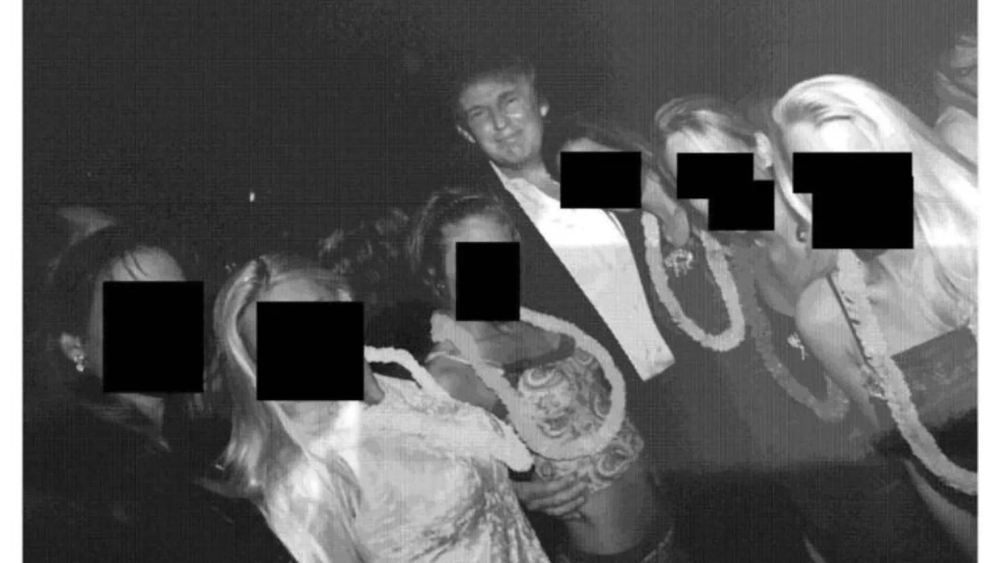
The photographs reveal a web of social connections between Epstein and some of the most influential figures in modern society. One image shows Donald Trump standing amid a group of women with redacted faces, some adorned with Hawaiian leis, while another places him near Epstein at an event. A third photo depicts Trump seated next to a redacted individual on what appears to be an aircraft. Similarly, Bill Clinton is pictured with Epstein, his convicted accomplice Ghislaine Maxwell, and others, with Clinton’s signature visible on the image. Other notable figures in the photos include former Treasury Secretary Larry Summers, Britain’s Prince Andrew (Andrew Mountbatten-Windsor), and Epstein’s former lawyer Alan Dershowitz. Democrats, led by Rep. Robert Garcia, emphasized their commitment to reviewing the full set of photos and releasing them responsibly, citing the need to protect survivors while pursuing justice. In contrast, Republicans on the committee condemned the release as a politically motivated “hoax,” arguing that it selectively targets Trump without evidence of wrongdoing.
The Response and Denials
Reactions to the release have been sharply divided. Donald Trump, questioned at the White House, dismissed the photos as insignificant, stating that Epstein was “all over Palm Beach” and that many people had photos with him, while denying any knowledge of Epstein’s crimes. The White House, through spokeswoman Abigail Jackson, accused Democrats of cherry-picking images to create a false narrative and asserted that the Trump administration has done more for Epstein’s victims by advocating for transparency. Bill Clinton’s spokesperson, Angel Urena, reiterated in a 2019 statement that Clinton knew nothing of Epstein’s crimes and had limited, benign interactions with him over a decade ago. These denials underscore a pattern among the elite: distancing themselves from Epstein’s atrocities while acknowledging peripheral associations.
Opinion: The Scourge of Selective Transparency and Elite Impunity
The release of these photos, while a step toward transparency, exposes deeper systemic issues that threaten the very foundations of justice and accountability in a democratic society. On one hand, the Democrats’ actions—redacting faces to protect survivors—reflect a commendable commitment to victim-centered justice. Yet, the selective nature of the release, amidst fierce partisan rhetoric, risks undermining its legitimacy. When transparency becomes a political weapon rather than a principled pursuit, it erodes public trust and diverts attention from the core issue: securing justice for the survivors of Epstein’s horrific crimes.
Elite impunity is a cancer on democracy, and these photos serve as a grim reminder of how power and privilege can insulate individuals from scrutiny. The presence of so many influential figures in Epstein’s orbit—regardless of their direct involvement in his crimes—speaks to a culture of moral complacency among the powerful. It is not enough to claim ignorance or dismiss associations as mere social formalities; those who moved in these circles have a moral responsibility to confront the truth and support full disclosure. The Republican dismissal of the release as a “hoax” is equally troubling, as it prioritizes political defense over the pursuit of justice. True commitment to liberty and the rule of law demands that we follow the evidence wherever it leads, without fear or favor.
Moreover, the ongoing resistance from the Trump administration to release DOJ files prior to congressional mandate highlights a dangerous tendency toward opacity in government. Transparency is not optional in a democracy; it is essential for accountability. The victims of Epstein’s abuse deserve more than fragmented revelations—they deserve a comprehensive, unredacted truth that holds all enablers and accomplices accountable, regardless of their status.
Conclusion: A Call for Unwavering Commitment to Justice
In the shadow of power, the fight for justice often becomes a battle against indifference and obfuscation. The Epstein case is a litmus test for our nation’s commitment to the principles of democracy, freedom, and human dignity. We must demand that the Department of Justice comply fully with the congressional mandate to release all investigative files, ensuring that no stone is left unturned. Simultaneously, lawmakers must rise above partisanship to prioritize the survivors’ needs over political point-scoring.
As a society, we cannot allow the powerful to hide behind redactions or dismissals. Every photo, every document, and every testimony must be pursued with rigor and integrity. The lives damaged by Epstein’s actions—and by the silence of those who could have stopped him—demand nothing less. In the words of Rep. Garcia, it is time to “end this cover-up and bring justice to the survivors.” Let us stand united in that cause, fortified by the unwavering belief that in a true democracy, no one is above the law.