
The Epstein Photos Release: Transparency or Political Theater?
Published
- 3 min read
The Facts and Context
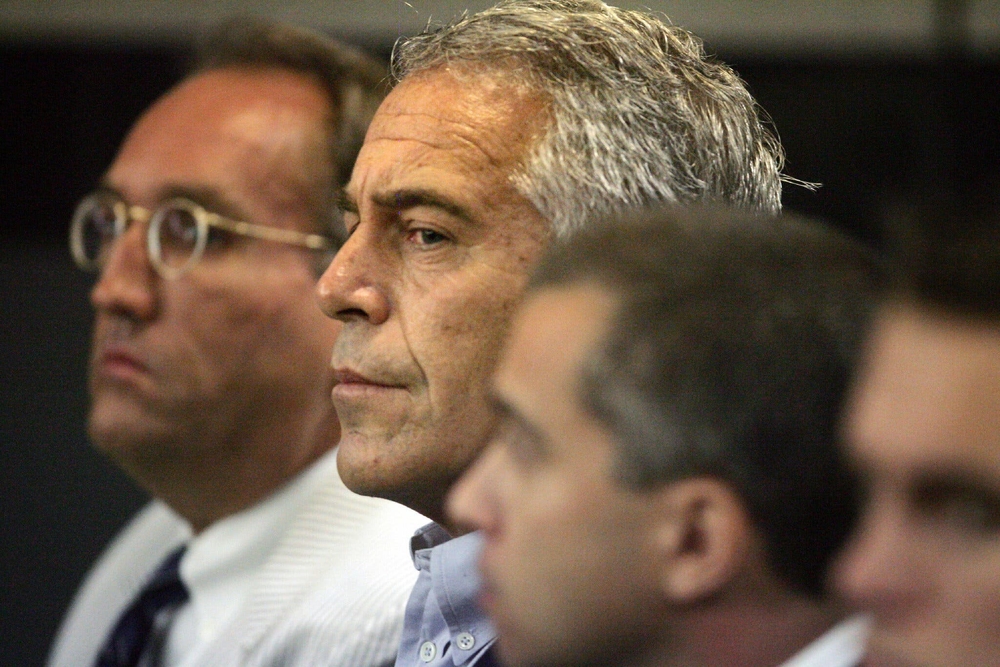
On Friday, House Democrats on the Oversight Committee released 92 photographs from the estate of the convicted sex offender Jeffrey Epstein. These images, selected from a trove of 95,000 found in Epstein’s email account and on one of his laptops, depict his associations with numerous high-profile individuals, including former Presidents Donald Trump and Bill Clinton, tech billionaire Bill Gates, film director Woody Allen, economist Lawrence Summers, and political strategist Stephen Bannon. The release also included images of former Israeli Prime Minister Ehud Barak and Dubai-based executive Sultan Ahmed bin Sulayem, though neither is pictured directly with Epstein.
The photographs were released ahead of a December 19 deadline for the Justice Department to disclose its investigative files on the Epstein case, as mandated by a recently passed law. However, the release provided no accompanying context, such as email messages that might have explained the nature of these relationships or the circumstances under which the photos were taken. Democrats also redacted the faces of women in some images to protect potential victims’ identities.
Epstein died by suicide in federal custody in 2019 while facing sex-trafficking charges. His connections to wealthy and influential figures have long been scrutinized, with many questions remaining about what these individuals knew regarding his exploitation of minors. Representative Robert Garcia, the top Democrat on the committee, stated that the photos “raise even more questions about Epstein and his relationships with some of the most powerful men in the world” and emphasized the need for the DOJ to release all files.
Republicans on the committee criticized the release as selective and politically motivated, accusing Democrats of fueling a misleading narrative about Epstein’s ties to Trump while ignoring connections to left-leaning figures. A Republican spokeswoman asserted that nothing in the documents indicated wrongdoing by any individuals pictured.
Opinion: The Danger of Selective Transparency
In a democracy built on transparency and accountability, the release of information related to a case as grotesque and heartbreaking as Jeffrey Epstein’s sex-trafficking ring should be a solemn endeavor aimed solely at delivering justice for victims and upholding the rule of law. Instead, what we witnessed last Friday was a spectacle that verges on political exploitation—a move that risks further traumatizing victims and eroding public trust in our institutions.
The decision by House Democrats to release these photographs without context is not just irresponsible; it is a dangerous precedent. Transparency is meaningless—indeed, it is weaponized—when it is stripped of the narrative that gives it meaning. By providing images without emails, timestamps, or explanations, the Oversight Committee has effectively invited the public to engage in the very speculation and conspiracy-mongering that undermines rational discourse. This is not justice; it is theater.
Let us be clear: Jeffrey Epstein’s crimes represent one of the most severe violations of human dignity and the rule of law in recent memory. His ability to operate with impunity for years, leveraging connections to the elite, is a stain on our society and a testament to the corrosive power of wealth and influence. Every institution that failed to hold him accountable—whether judicial, political, or social—bears responsibility. But exploiting this tragedy for political gain is equally corrosive.
The timing of this release, just days before the DOJ’s deadline to disclose its files, suggests a calculated effort to pressure the department or to sway public opinion. While Representative Garcia’s call for “the truth” is laudable in principle, the method undermines that very goal. True transparency requires comprehensive, contextualized disclosure—not cherry-picked images that serve a partisan narrative. The Republican criticism that this release focuses disproportionately on Trump while downplaying Epstein’s ties to figures on the left is not without merit. If we are to restore trust, we must demand even-handedness from our leaders.
Moreover, the redaction of women’s faces, while intended to protect victims, underscores the profound ethical dilemma here. On one hand, it is a necessary step to shield survivors from further victimization. On the other, it highlights how this release—devoid of context—could inadvertently perpetuate the very exploitation it seeks to expose. Without knowing who these women are, what their relationships to Epstein or others were, or whether they are victims at all, the public is left to guess. This is not protection; it is obscurity masquerading as compassion.
The responses from those implicated—or rather, the lack thereof—are equally telling. Trump’s dismissal of the photos (“Everybody knew this man”) echoes the broader culture of impunity that allowed Epstein to thrive. But silence from others, like Clinton, Gates, and Allen, is not an admission of guilt; it is a reflection of a system where powerful individuals often retreat behind lawyers and publicists rather than engage in open discourse. This dynamic fuels public cynicism and reinforces the perception that there is one set of rules for the elite and another for everyone else.
Upholding Principles Over Politics
As a society committed to democracy, freedom, and the rule of law, we must reject any action that prioritizes political point-scoring over genuine accountability. The Epstein case is not a tool for partisan warfare; it is a horrific example of how power can be abused and institutions can fail. If we are to learn from it, we need a full, unredacted (where ethically possible), and contextualized disclosure of all evidence—not just selective leaks.
The DOJ must uphold its mandate to release the Epstein files comprehensively and without bias. Congress, meanwhile, should focus on crafting legislation that strengthens protections for victims of trafficking and ensures that no individual, regardless of wealth or status, is above the law. This includes reforming the systems that allowed Epstein to manipulate his way into circles of power and evade justice for so long.
In the end, the photos themselves change little. We already knew Epstein associated with powerful people. What we need to know is who enabled him, who knew of his crimes, and how we can prevent such atrocities in the future. That requires diligence, integrity, and a commitment to truth—not political grandstanding. Our institutions are only as strong as the public’s trust in them, and that trust is frayed when transparency is used as a weapon rather than a tool for justice.
We owe it to the victims—the young girls whose lives were irrevocably damaged—to pursue this case with the seriousness and solemnity it deserves. Their suffering must not be diluted into a political football. We must demand better from our leaders, and we must insist that the pursuit of justice always outweighs the allure of power.