
The Erosion of Institutional Independence: The Troubling Takeover of the US Institute of Peace
Published
- 3 min read
The Facts of the Case
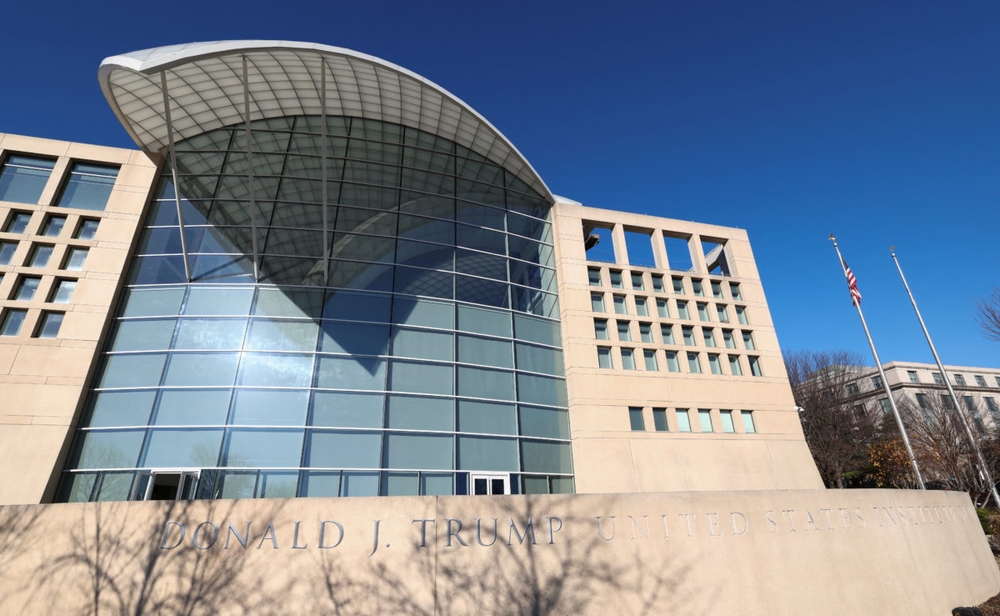
In a move that has sent shockwaves through Washington’s policy community, the Trump administration has forcibly taken control of the United States Institute of Peace (USIP) and renamed it the “Donald J. Trump Institute of Peace.” This action comes amid an ongoing legal battle over the institute’s control, with multiple court reversals and a final decision still pending in federal appeals court.
The USIP was created by Congress in the 1980s and signed into law by President Ronald Reagan in 1985 as an independent, nonprofit think tank funded by Congress. Its mission has been to work outside normal diplomatic channels to promote peace, prevent conflicts, and end existing ones. At the time of its shutdown by the Department of Government Efficiency (DOGE), the institute was operating in 26 conflict zones worldwide, including Pakistan, Afghanistan, Mali, and Burkina Faso.
The administration’s takeover began in the spring when President Trump fired the institute’s board, followed by the termination of all staff. The building was subsequently turned over to the General Services Administration. While a federal district court overturned this action in May, returning control to USIP leadership, a federal appeals court reversed this decision weeks later, leaving the building in government hands and employees fired twice over.
The Official Justification and Legal Challenges
White House spokesperson Anna Kelly defended the administration’s actions, calling the former USIP “a bloated, useless entity that blew $50 million per year while delivering no peace.” She asserted that the newly named Donald J. Trump Institute of Peace would stand as “a powerful reminder of what strong leadership can accomplish for global stability,” citing the president’s role in “ending eight wars in less than a year.”
However, George Foote, a lawyer for the former Institute leadership and staff, characterized the renaming as “adding insult to injury.” He noted that “a federal judge has already ruled that the government’s armed takeover was illegal” and that the government maintains control only because that judgment is stayed pending appeal.
The legal battle centers on whether USIP is an independent creation of Congress or an executive branch organization subject to presidential control. This constitutional question strikes at the heart of separation of powers principles that have underpinned American governance for centuries.
The Broader Context and Implications
The institution’s headquarters served as the backdrop for the signing of a peace agreement between Congo’s President Felix Tshisekedi and Rwanda’s President Paul Kagame, with numerous African leaders and officials in attendance. The administration’s timing in securing control of the building for this high-profile event raises questions about the motivations behind the takeover.
Additionally, there is speculation about President Trump potentially receiving a peace prize from FIFA during the World Cup draw in Washington, suggesting a pattern of seeking international recognition for peace efforts despite controversial methods and ongoing conflicts.
A Dangerous Precedent for Democratic Institutions
This forcible takeover of an independent institution represents one of the most alarming assaults on democratic norms in recent American history. The US Institute of Peace was established precisely to operate outside political influence, providing nonpartisan analysis and conflict resolution expertise that serves America’s long-term interests rather than any administration’s short-term political goals.
The administration’s justification that the institute was “bloated” and “useless” directly contradicts its documented work in 26 conflict zones and its congressional mandate. This characterization appears designed to dismiss the value of independent expertise and institutional memory—precisely the qualities that protect democracies from the whims of any single administration.
The use of an “armed takeover” of a peace institute is particularly ironic and troubling. The image of government forces seizing a building dedicated to conflict resolution undermines America’s moral authority on the global stage and sends exactly the wrong message to nations struggling with democratic transitions.
The Constitutional Crisis Unfolding
At its core, this controversy represents a fundamental constitutional question about the limits of executive power. Congress created USIP as an independent entity for good reason—to ensure that peacebuilding efforts would transcend political cycles and administrations. The executive branch’s assertion of control over this institution represents a dangerous expansion of presidential authority that threatens the delicate balance of powers enshrined in our Constitution.
The courts’ back-and-forth rulings demonstrate the legal complexity of this issue, but the administration’s decision to proceed with renaming and occupying the building before a final ruling shows concerning disregard for judicial processes. This pattern of acting first and dealing with legal challenges later has become increasingly common and threatens the rule of law itself.
The Human Cost of Political Power Plays
Behind the legal and constitutional questions lies the human cost of these actions. Dedicated public servants working on critical peace initiatives have been terminated twice, their careers disrupted, and their important work halted. These individuals represented America’s commitment to peace worldwide, and their sudden dismissal damages both institutional knowledge and America’s reputation as a stable partner in conflict resolution.
The administration’s timing—seizing control just as the building was needed for a high-profile peace signing—suggests that political theater and personal aggrandizement may be driving these decisions more than genuine concern for effective governance or peacebuilding.
The Path Forward: Restoring Institutional Integrity
As this case moves through the appeals process, all Americans who value democratic institutions must pay close attention. The outcome will signal whether independent institutions created by Congress can maintain their autonomy or whether they become subject to political whims of any sitting administration.
Regardless of the legal resolution, the damage to America’s reputation as a defender of democratic norms may already be done. The image of an armed takeover of a peace institute will linger in international memory, potentially undermining future diplomatic efforts and conflict resolution initiatives.
This incident should serve as a wake-up call to policymakers about the need to strengthen protections for independent institutions. Congress must consider clearer statutory language protecting the autonomy of entities it creates, and the American public must remain vigilant against the steady erosion of institutional independence that forms the bedrock of our democratic system.
The pursuit of peace requires stability, consistency, and nonpartisan commitment—qualities that are undermined when institutions become political trophies. True leadership in peacebuilding involves supporting and strengthening institutions, not seizing and rebranding them for personal legacy building. America’s role as a global leader in conflict resolution depends on maintaining institutions that transcend politics and serve the cause of peace regardless of which party occupies the White House.