
The Exhausting Reality of Congressional Service: Senator Lummis's Departure and the Crisis in American Governance
Published
- 3 min read
The Facts of Senator Lummis’s Announcement
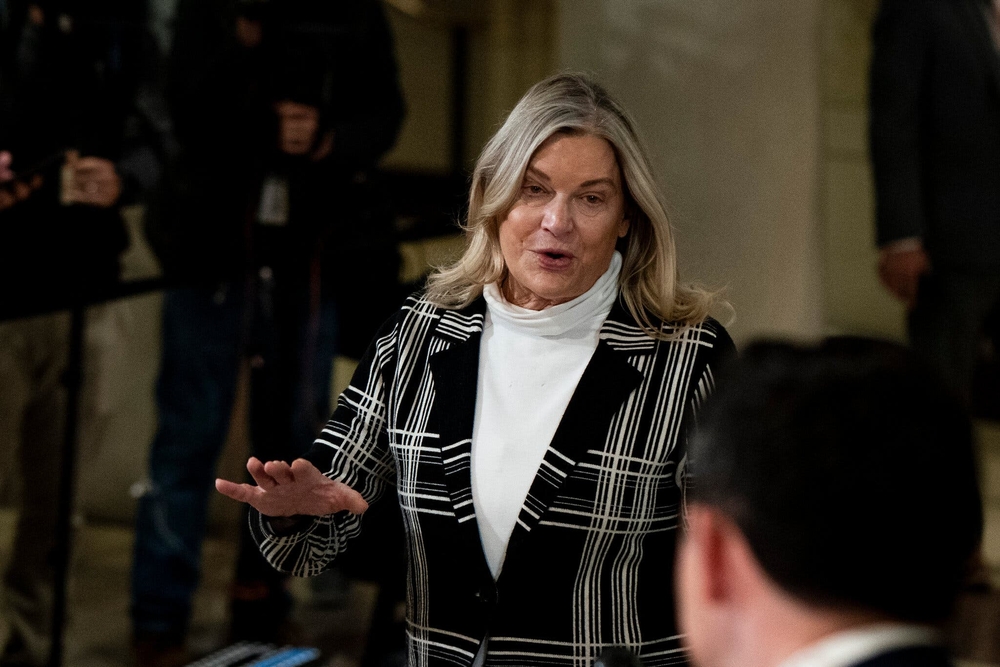
Senator Cynthia Lummis, Republican of Wyoming, made a significant announcement on Friday that she would not seek re-election next year after serving just one term in the United States Senate. The 71-year-old senator, who has served since 2021, attributed her decision directly to the grueling weeks in session during this year’s congressional calendar. In an unusually candid statement by Washington standards, Lummis revealed that the exhausting session weeks this fall led her to accept that she “does not have six more years” of Senate service in her.
Lummis’s description of herself as “a sprinter in a marathon” perfectly captures the disconnect between her legislative approach and the current demands of Senate service. Her departure will trigger a primary election in the conservative state of Wyoming, opening up a seat that had been considered secure for Republicans. This announcement comes after a particularly demanding year on Capitol Hill that included the nation’s longest government shutdown and multiple all-night voting sessions, including those to pass President Trump’s significant tax and spending cuts legislation.
Historical Context and Legislative Background
Senator Lummis brings a substantial political history to her decision. In 1978, at just 24 years old, she became the youngest woman elected to the Wyoming State Legislature. Her political career continued with service in the U.S. House of Representatives from 2009 to 2017 before joining the Senate in 2021. Throughout her tenure, she was known for her cheerful demeanor, often seen with a smile and a Celsius energy drink in hand.
Lummis quickly established herself as a prominent supporter of the cryptocurrency industry, earning the moniker “Crypto Queen” on Capitol Hill. As an early adopter of Bitcoin, she embraced cryptocurrency culture by editing “laser eyes” into her social media avatars—a signature image among Bitcoin enthusiasts. She frequently led efforts supported by President Trump to end regulatory crackdowns on crypto companies, including co-sponsoring the Genius Act, a federal framework for stablecoin regulation.
The Broader Trend of Congressional Departures
Senator Lummis’s decision places her within a growing trend of Republicans indicating little interest in remaining in Congress. Two of her colleagues, Senators Tommy Tuberville of Alabama and Marsha Blackburn of Tennessee, are running for governor in their respective states, while Senators Joni Ernst of Iowa and Thom Tillis of North Carolina have declined to run for re-election altogether. This pattern suggests deeper structural issues within the legislative branch that extend beyond individual career choices.
The statistical reality underscores Lummis’s concerns about congressional workload. According to a GOP leadership aide, senators took more than 600 roll call votes this year alone—the highest number in modern history. This unprecedented volume of legislative activity creates conditions where thoughtful deliberation becomes nearly impossible, and the physical and mental health of lawmakers becomes secondary to procedural demands.
The Institutional Crisis in American Governance
Senator Lummis’s departure represents more than just a personal career decision—it signals a fundamental crisis in American governance. When experienced legislators feel compelled to leave public service due to unsustainable working conditions, our democracy suffers a significant loss of institutional knowledge and legislative expertise. The relentless pace and exhausting workload create conditions where only the most extreme or wealthy individuals can endure public service, fundamentally altering the character of our representative government.
The physical and emotional toll described by Lummis should alarm every American who values effective governance. Her candid admission that the energy required doesn’t match her capabilities as a “devout legislator” reveals a system pushing dedicated public servants beyond their limits. This isn’t merely about individual stamina; it’s about whether we’ve created a legislative environment that prioritizes procedural combat over thoughtful governance.
The Impact on Democratic Norms and Institutional Stability
The departure of moderate, experienced lawmakers like Lummis creates a vacuum that often gets filled by more extreme voices less committed to democratic norms and institutional stability. Her support for cryptocurrency regulation demonstrated a willingness to engage with emerging technologies while maintaining regulatory frameworks—exactly the type of balanced approach that becomes endangered when institutional knowledge departs.
Senator John Barrasso’s statement praising Lummis as “a straight shooter and a trailblazer” whose “infectious energy and iconic laugh” will be missed in the Senate halls underscores what the institution loses with her departure. These personal qualities matter in a body that depends on relationships and mutual respect to function effectively.
The Dangerous Precedent of Legislative Exhaustion
When lawmakers describe themselves as exhausted sprinters in a marathon, we must question whether we’ve created a system that values endurance over effectiveness. The record number of roll call votes—over 600 in a single year—suggests a legislative process more focused on quantity than quality. This approach undermines the careful deliberation the Founding Fathers envisioned for the Senate, which was designed to be the more deliberative body counterbalancing the House’s rapid pace.
The multiple all-night sessions and government shutdowns mentioned in the article represent governance by crisis rather than by thoughtful planning. This governing style exhausts legislators, staff, and the American people who depend on stable, predictable governance. When experienced lawmakers like Lummis conclude they cannot sustain this pace for another term, we must recognize this as a systemic failure rather than an individual limitation.
The Human Cost of Public Service
Behind the political analysis lies a simple human reality: public service should not require superhuman endurance. Lummis’s decision at age 71 to step away from a job she clearly loved because the physical demands became unsustainable speaks volumes about how we treat those who serve in public office. The expectation that legislators should work through government shutdowns, all-night sessions, and constant procedural warfare creates conditions that drive away precisely the thoughtful, dedicated public servants we need most.
This human cost extends beyond the legislators themselves to their families, staff, and ultimately the constituents they represent. When the working conditions become so demanding that only those with extraordinary physical stamina or minimal personal lives can endure, we narrow the range of perspectives and experiences represented in our government.
The Path Forward: Reforming Congressional Operations
Senator Lummis’s departure should serve as a wake-up call for comprehensive reform of congressional operations. We need to examine whether the current pace of legislative activity serves democratic values or undermines them. This might include reconsidering the legislative calendar, implementing better work-life balance protections, and creating conditions that allow for more thoughtful deliberation rather than constant procedural combat.
The preservation of our democratic institutions depends on attracting and retaining dedicated public servants who bring diverse experiences and perspectives to governance. When the conditions of service become so demanding that they drive away experienced legislators, we weaken the very foundations of our representative democracy.
Conclusion: A Call for Reflection and Reform
Senator Cynthia Lummis’s decision not to seek re-election represents more than a personal career choice—it reflects deeper structural problems within American governance. Her candid description of congressional service as exhausting and unsustainable should prompt serious reflection about how we structure legislative work and whether current practices serve democratic values.
As we consider the future of American democracy, we must ensure that public service remains accessible to dedicated individuals from all backgrounds and life stages. The departure of experienced lawmakers due to exhaustion rather than electoral defeat represents a quiet crisis in our governance system—one that demands attention before we lose more of the institutional knowledge and legislative expertise that sustains our democratic republic.
The preservation of liberty and effective governance requires that we create conditions where public service can be both impactful and sustainable. Senator Lummis’s departure should serve as a catalyst for rethinking how we support those who answer the call to serve their country in elected office.