
The Exploitation of Tragedy: How a National Guard Shooting Fuels Divisive Politics and Erodes American Values
Published
- 3 min read
The Facts: A Tragic Incident and Its Immediate Aftermath
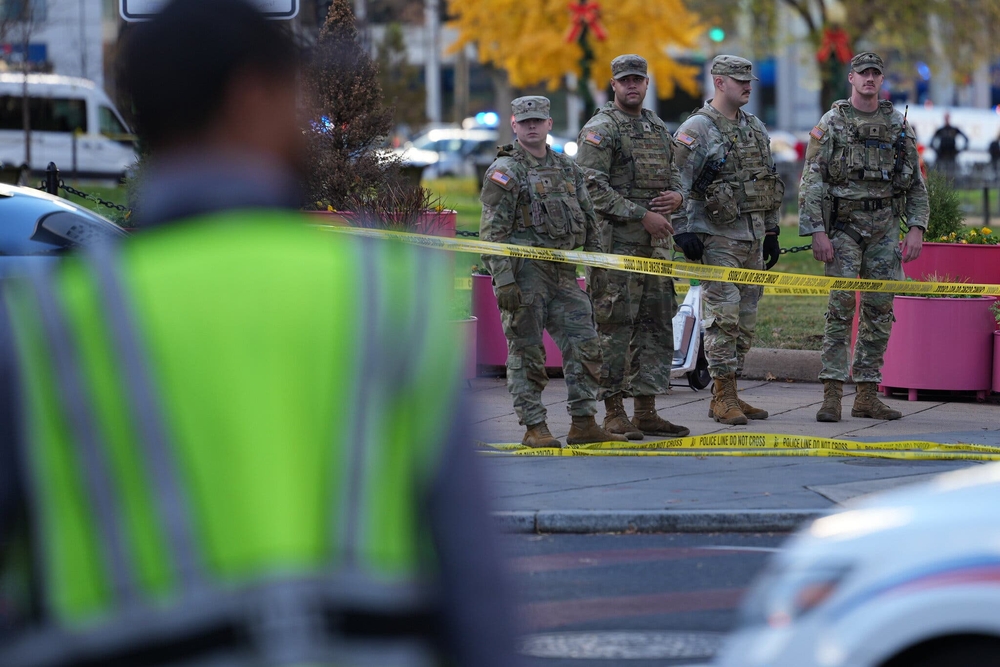
On Wednesday, in a deeply sorrowful event, two National Guard members were shot near the White House while on patrol, with the suspect identified as Rahmanullah Lakanwal, a 29-year-old Afghan national. President Trump, speaking from Palm Beach, Florida, where he was spending Thanksgiving, swiftly labeled the shooting an “act of terror” and a “crime against humanity,” using inflammatory language to describe the suspect as an “animal” who carried out a “monstrous, ambush-style attack.” In response, Trump announced the deployment of 500 additional troops to Washington, D.C., augmenting the approximately 2,000 already stationed there, and called for a severe crackdown on immigration. He explicitly linked the attack to immigration policies under President Joseph R. Biden Jr., stating that Lakanwal entered the U.S. in 2021 through a program for Afghan nationals fleeing the Taliban takeover after the U.S. withdrawal. Trump demanded a re-examination of all immigrants who entered under Biden’s administration and criticized Afghanistan as a “hellhole,” while also targeting Somali refugees in Minnesota, vowing to intensify mass deportation efforts.
Concurrently, U.S. Citizenship and Immigration Services paused all immigration applications from Afghan nationals, including those eligible for Special Immigrant Visas (SIVs)—a program designed for individuals who assisted U.S. or NATO forces during the Afghanistan war. Mevlüde Akay Alp, a senior staff attorney at the International Refugee Assistance Project, expressed concern, noting that the SIV program was one of the few remaining pathways for vulnerable Afghans, and its future is now uncertain. The broader implications for immigration policy remain unclear, but Trump’s administration is already pursuing aggressive deportation measures.
The troop deployment aspect adds another layer to this developing story. The National Guard’s role in American cities has been contentious, with ongoing legal battles over its use. Currently, only Memphis has deployed troops domestically, while cities like Chicago face Supreme Court deliberations on federal versus state authority in Guard deployments. Last week, Judge Jia M. Cobb ruled that Trump’s deployment in Washington appeared unlawful, citing the central command of troops from multiple Republican states as a violation, though she stayed her order until December 11 pending appeals. The Justice Department has sought emergency relief, highlighting the legal and constitutional tensions surrounding domestic military use.
Major General William Enyart, former adjutant general of Illinois, expressed shock at the shooting near the White House, calling it “astounding” given the location’s typical security. He warned against politicizing the tragedy, a sentiment echoed by Brigadier General David L. McGinnis, who criticized the decision to place Guard troops on foot patrol, predicting it would be spun to justify broader deployments in “blue cities.” This incident intensifies debates over crime, immigration, and the militarization of public spaces, with reporting contributions from Elian Peltier and Hamed Aleaziz underscoring the complex, multifaceted nature of the event.
Context and Escalating Tensions
The shooting occurs against a backdrop of heightened political polarization and ongoing discussions about national security, immigration, and the rule of law. Trump’s rhetoric and actions reflect a pattern of using crises to advance pre-existing agendas, particularly his hardline immigration stance. The SIV program, initiated to protect Afghans who risked their lives supporting U.S. efforts, represents a moral commitment, and its suspension signals a shift toward isolationism and distrust. Historically, the National Guard has been used domestically for humanitarian aid, not law enforcement, making its current role in urban patrols a significant departure that raises constitutional questions about federal overreach and states’ rights.
The legal challenges, exemplified by Judge Cobb’s ruling, highlight the fragility of institutional checks and balances. The appeal by the Justice Department underscores the administration’s determination to assert executive power, potentially at the expense of judicial oversight. This environment, where tragedy is immediately weaponized for political gain, erodes public trust and democratic norms, fostering a climate of fear and division.
Opinion: A Dangerous Precedent for Democracy and Human Rights
As a firm supporter of democracy, freedom, and the U.S. Constitution, I must express profound alarm at the exploitation of this tragedy to justify policies that undermine American values. The shooting of two Guard members is undeniably horrific, and our hearts go out to the victims and their families. However, using this event to fuel xenophobic rhetoric and militarize our cities is not only irresponsible but antithetical to the principles of liberty and justice upon which this nation was founded.
President Trump’s characterization of the suspect as an “animal” and his broad condemnation of immigrants are dehumanizing and inflammatory. Such language risks inciting violence and prejudice against vulnerable communities, including refugees fleeing persecution. The pause on SIV applications is particularly troubling, as it abandons those who aided U.S. forces in Afghanistan, betraying a moral obligation and sending a message that America reneges on its promises when confronted with fear. This approach replaces compassion with cruelty, sacrificing humanitarian values for political expediency.
The deployment of additional troops to Washington, amid legal disputes over their lawful use, represents a slippery slope toward militarized domestic policing. The National Guard should not be a tool for suppressing dissent or enforcing immigration policies; its domestic role must remain limited to emergencies and support functions, as traditionally intended. Judge Cobb’s ruling rightly questions the legality of centralized command structures that bypass state authority, threatening the federalist balance enshrined in the Constitution. By appealing this decision, the administration demonstrates a disregard for judicial checks, potentially setting a precedent for executive overreach that could erode civil liberties.
Furthermore, the politicization of this tragedy, as warned by General Enyart and General McGinnis, exacerbates divisions and distracts from meaningful solutions. Instead of fostering unity and addressing root causes of violence, such as access to mental health services or community policing reforms, the response focuses on punitive measures that marginalize immigrants and expand military presence in civilian life. This not only fails to enhance security but risks creating a surveillance state where freedom is curtailed under the guise of protection.
In a democracy, leaders must respond to crises with measured, evidence-based policies that uphold the rule of law and human dignity. The rushed calls for mass deportations and troop deployments, without thorough investigation or congressional deliberation, ignore due process and risk irreversible harm. We must resist the temptation to let fear dictate policy, reaffirming our commitment to the Bill of Rights and the ideal that America remains a beacon of hope for those seeking refuge and opportunity.
Ultimately, this incident serves as a stark reminder of the fragility of democratic institutions in the face of populist rhetoric. As citizens, we must vigilantly oppose actions that undermine liberty, advocate for compassionate immigration reform, and insist on transparency and accountability in government. The path forward requires rejecting division and embracing the inclusive, resilient spirit that defines the best of America—a nation built on laws, not fear, and on freedom, not force.