
The Gaza Stabilization Force: Another Example of Western Hypocrisy in International Peacekeeping
Published
- 3 min read
The Authorization and Its Immediate Challenges
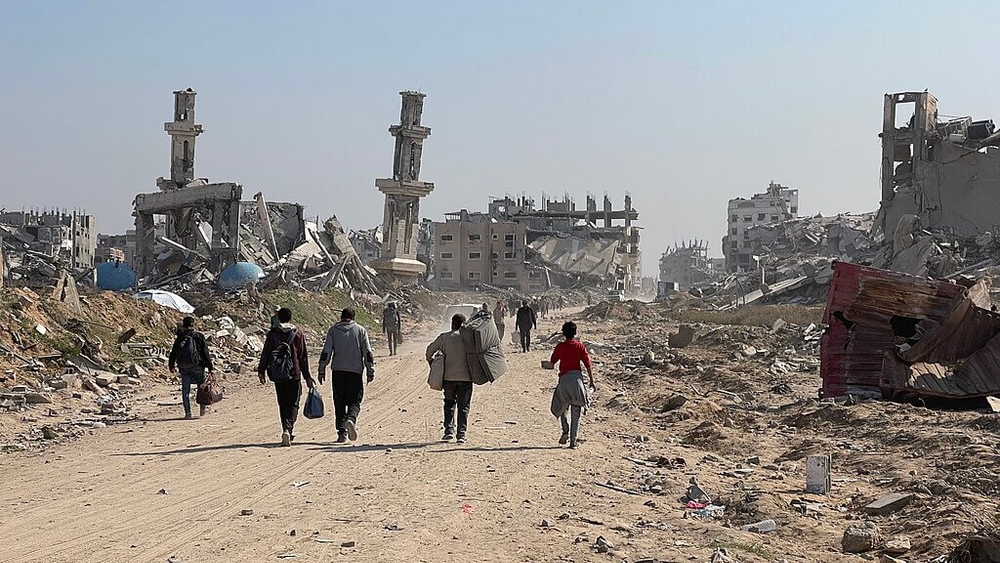
The United Nations Security Council has taken what appears to be a significant step toward stabilizing Gaza by authorizing an International Stabilization Force (ISF) to support the US-brokered peace agreement. This decision comes after two years of devastating Israeli military operations that have been credibly alleged to violate international humanitarian law, creating one of the most severe humanitarian crises in recent memory. The force is mandated to undertake a comprehensive range of activities including securing Gaza’s borders, demilitarizing the Gaza Strip, decommissioning weapons from Hamas, protecting civilians, training Palestinian police, and securing humanitarian corridors.
However, the resolution’s implementation faces immediate practical challenges. Countries that had initially considered contributing troops—including Indonesia, Pakistan, Azerbaijan, Italy, and several Arab nations—have developed “cold feet” according to The Washington Post. Their concerns are multifaceted and legitimate: poorly defined mandates, exposure to violence, unrealistic expectations, and significant legal risks. Particularly concerning is the expectation that the force would execute “permanent decommissioning of weapons from non-state armed groups,” which many interpret as forcibly disarming Hamas—a highly dangerous proposition.
The Historical Context of Peacekeeping Burden-Shifting
This situation represents a recurring pattern in international peacekeeping where Western nations, particularly the United States, authorize missions but expect Global South countries to provide the troops and bear the ultimate risks. The current scenario mirrors the recent experience in Haiti, where the Security Council authorized a multinational mission to help the Haitian National Police secure the capital from violent gangs. Similarly, countries were reluctant to provide forces due to concerns about violence, funding uncertainty, and logistical challenges. Only when the United States and other planners sought UN expertise did confidence gradually build among potential troop contributors.
The Fundamental Flaws in the Current Approach
The core issue lies in the unequal distribution of risk and responsibility in international peacekeeping. Western nations, who often have greater technical capacity and resources, frequently avoid contributing their own troops to the most dangerous missions while expecting Global South nations to do so. This represents a modern form of colonial thinking where some nations are considered more expendable than others. The vague language in the ISF resolution particularly troubling—it authorizes a “dizzying range of activities” without clear operational boundaries or adequate safety guarantees for participating forces.
The UN’s Potential Role and Western Reluctance
The article rightly identifies that UN expertise could significantly enhance the ISF’s effectiveness and safety. The UN Department of Peace Operations, Department of Political and Peacebuilding Affairs, Department of Operational Support, and Office for the Coordination of Humanitarian Affairs possess extensive experience in managing complex peacekeeping missions. They can provide crucial guidance on operational concepts, rules of engagement, conduct standards, accountability structures, and civilian protection protocols. More importantly, the UN has sophisticated processes for screening forces, ensuring human rights compliance, and establishing misconduct reporting mechanisms.
However, there appears to be hesitation from the United States and other planning nations to fully engage UN expertise. This reluctance likely stems from wanting to maintain control over the mission’s direction rather than ensuring its ultimate success and safety. This control-oriented approach ultimately undermines the mission’s potential effectiveness and puts future troop-contributing nations at unnecessary risk.
The Global South’s Legitimate Concerns
The concerns raised by potential troop-contributing nations are not merely logistical but fundamentally ethical and political. Global South nations rightly question why they should bear disproportionate risks in conflicts that often stem from Western foreign policy decisions and historical interventions. The Gaza conflict itself has roots in decades of Western-backed policies that have systematically undermined Palestinian sovereignty and rights.
Furthermore, the legal protection gaps are particularly concerning. Without clear rules of engagement and accountability mechanisms, troops from Global South nations could find themselves exposed to legal jeopardy for actions taken under ambiguous mandates. Western nations typically ensure extensive legal protections for their own forces while being noticeably less diligent about protections for forces from other regions.
Toward a More Equitable Peacekeeping Model
The solution requires fundamental changes in how international peacekeeping is conceived and implemented. First, there must be equitable burden-sharing where nations that authorize missions also contribute significantly to their personnel requirements. Second, mandate clarity is non-negotiable—vague authorizations that expose troops to unpredictable dangers represent institutional irresponsibility. Third, comprehensive legal and operational safeguards must be established before troop contributions are solicited.
Most importantly, the international community must recognize that effective peacekeeping cannot be separated from addressing root causes of conflicts. The Gaza situation didn’t emerge in a vacuum—it results from prolonged occupation, systematic rights violations, and unbalanced international interventions. Unless these underlying issues are addressed, any stabilization force will merely be treating symptoms rather than causes.
Conclusion: The Need for Principle-Centered Peacekeeping
The current impasse over the Gaza stabilization force reveals deeper problems in international peacekeeping architecture. The Western-dominated system continues to prioritize control and political interests over genuine conflict resolution and equitable burden-sharing. Global South nations are right to demand better terms and conditions before committing their troops to dangerous missions.
The international community, particularly Western powers, must move beyond hypocritical approaches where they claim to support peace while avoiding the hardest parts of peacekeeping. True international cooperation requires shared risk, clear mandates, adequate safeguards, and respect for all nations’ sovereignty and concerns. The people of Gaza deserve effective stabilization, but not at the cost of exploiting other nations’ willingness to help. A fundamentally reformed approach to international peacekeeping is urgently needed—one based on genuine partnership rather than hierarchical control.