
The Ghost of Humphrey's Executor: How a 90-Year-Old Case Warns Us About Presidential Overreach Today
Published
- 3 min read
Historical Context: Roosevelt’s Clash with Independence
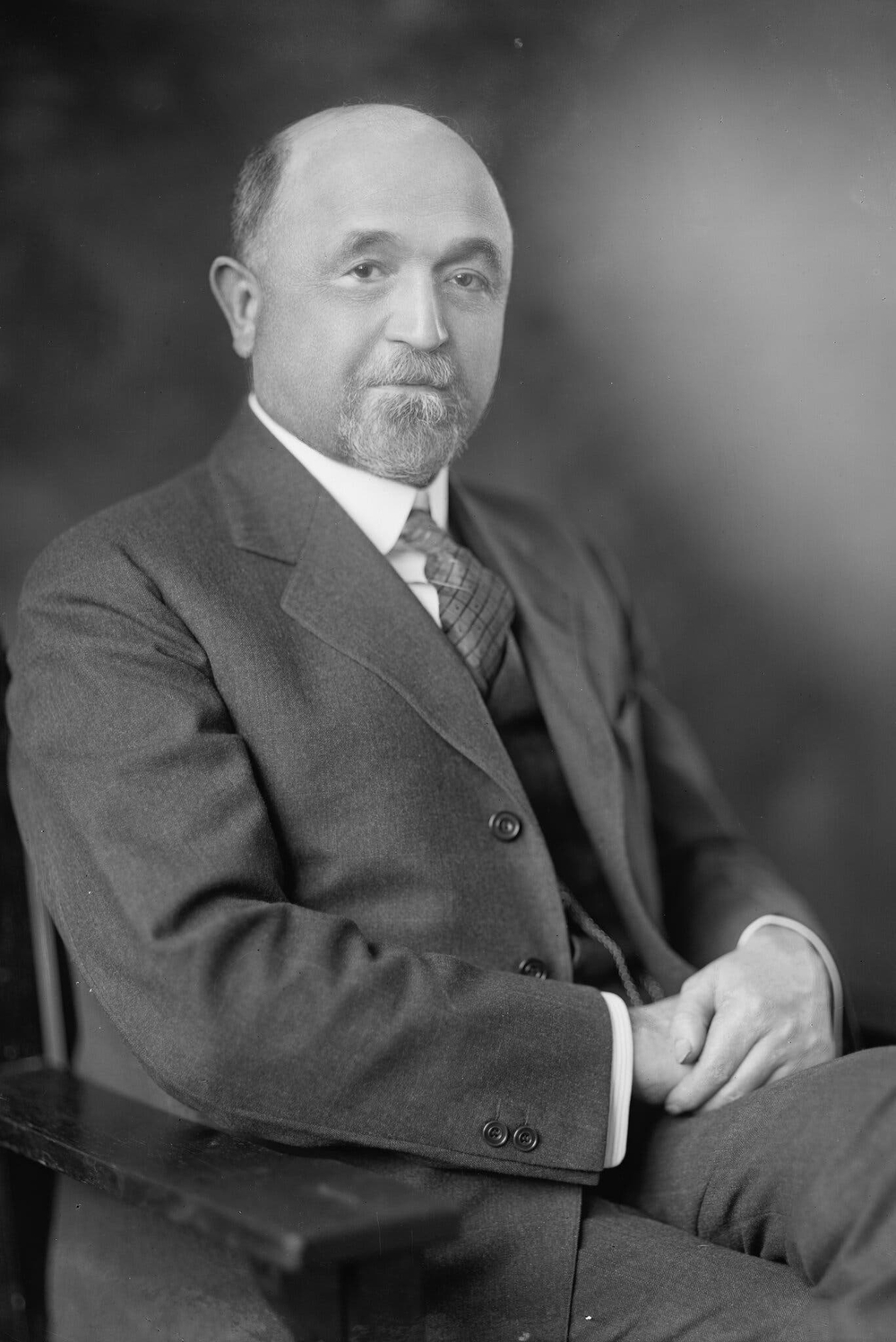
The year was 1933, and America stood at the precipice of economic collapse. Franklin D. Roosevelt, armed with his New Deal ambitions, faced what he perceived as obstruction from William E. Humphrey, a conservative Republican serving on the Federal Trade Commission. Humphrey, appointed in 1925 and reappointed by Herbert Hoover, had become increasingly at odds with Roosevelt’s progressive agenda. The commissioner had voted to dismiss several FTC investigations against major corporations and openly opposed New Deal programs, positioning himself as what Roosevelt saw as an obstacle to national recovery.
The confrontation reached its climax when Roosevelt demanded Humphrey’s resignation in July 1933, using language hauntingly similar to what we would hear decades later: the agency’s work could “be carried out most effectively with personnel of my own selection.” Humphrey, recognizing the dangerous precedent this would set, refused to comply, citing the statute that protected commissioners from removal except for “inefficiency, neglect of duty or malfeasance in office.” His refusal wasn’t merely about keeping his job—it was about preserving the very concept of independent regulatory agencies free from political whim.
The Legal Battle and Its Aftermath
Roosevelt’s eventual firing of Humphrey in October 1933 sparked a legal battle that would reach the Supreme Court. Tragically, Humphrey died in February 1934 from a cerebral hemorrhage, but his estate continued the fight under “Humphrey’s Executor.” On May 27, 1935, in what became known as “Black Monday,” the Supreme Court unanimously sided with Humphrey’s estate, establishing a crucial precedent: Congress could indeed shield independent regulators from arbitrary presidential removal.
This decision represented more than just a legal victory—it was a reaffirmation of democratic principles. The court recognized that independent agencies serve vital functions that require insulation from political pressure. They ensure that regulatory decisions stem from expertise and evidence rather than political expediency. The Humphrey’s Executor case became a cornerstone of administrative law, protecting the independence of countless agencies that oversee everything from communications to securities regulation.
Modern Parallels: History Repeating Itself
Nearly a century later, we find ourselves facing eerily similar challenges to institutional independence. The current Supreme Court case revisiting Humphrey’s Executor represents more than legal history—it signals a dangerous moment for American democracy. The principles established in 1935 now face threats from executives who view independent agencies not as necessary checks on power but as obstacles to their political agendas.
The arrogance displayed by Roosevelt—and mirrored in contemporary leadership—should alarm every American who values limited government and separation of powers. When presidents believe they can remove officials simply because their “minds don’t go along together,” they threaten the very foundations of our constitutional system. Independent agencies exist precisely to prevent the concentration of power that democracies must guard against.
The Dangerous Erosion of Institutional Safeguards
What makes the current challenge so perilous is the broader context of institutional erosion we’ve witnessed in recent years. The attack on independent agencies represents just one front in a wider assault on the checks and balances that prevent authoritarian governance. Each time a president tests the limits of established precedents, they chip away at the structural protections that have safeguarded American democracy for centuries.
The Framers understood that power, once concentrated, becomes dangerous. They built a system of separated powers precisely to prevent any single branch from dominating the others. Independent regulatory agencies represent an extension of this principle—institutions designed to make decisions based on expertise rather than political allegiance. When we allow these bulwarks to be dismantled, we risk returning to a system where regulatory decisions serve political masters rather than public interest.
The Human Cost of Political Power Struggles
Behind the legal arguments and constitutional principles lies a human story that deserves remembrance. William E. Humphrey, despite his political disagreements with Roosevelt, understood that some principles transcend partisan politics. His letters reveal a man concerned not just about his professional standing but about the integrity of the institutions he served. His tragic death in the midst of this battle reminds us that these constitutional struggles involve real people making real sacrifices for principles larger than themselves.
Today, we owe it to Humphrey’s legacy—and to all who have fought to preserve institutional independence—to recognize the grave danger in revisiting this settled precedent. The quiet erosion of checks and balances often begins with seemingly technical legal arguments, but the consequences affect every American’s liberty and security.
A Call to Vigilance
As the Supreme Court considers this case, we must recognize that we’re not just debating legal technicalities—we’re determining what kind of government we want to have. Do we want a system where independent expertise guides regulatory decisions, or one where political loyalty determines who oversees everything from consumer protection to environmental regulation?
The answer should be clear to anyone who values freedom and limited government. The concentration of power in executive hands represents exactly what the Framers feared most. Independent agencies, while imperfect, serve as crucial barriers against the kind of centralized control that undermines both economic freedom and political liberty.
We must urge the Court to uphold the Humphrey’s Executor precedent and reaffirm that no president—regardless of party or popularity—stands above the constitutional structures designed to constrain power. The preservation of our democracy depends on maintaining these safeguards, even when they inconvenience political agendas. The ghost of William Humphrey reminds us that some battles must be fought across generations, and that the defense of liberty requires eternal vigilance against those who would concentrate power for their own purposes.