
The Great Tax Flight Myth: How Billionaires Use Empty Threats to Avoid Paying Their Fair Share
Published
- 3 min read
The Manufactured Crisis Against Progressive Taxation
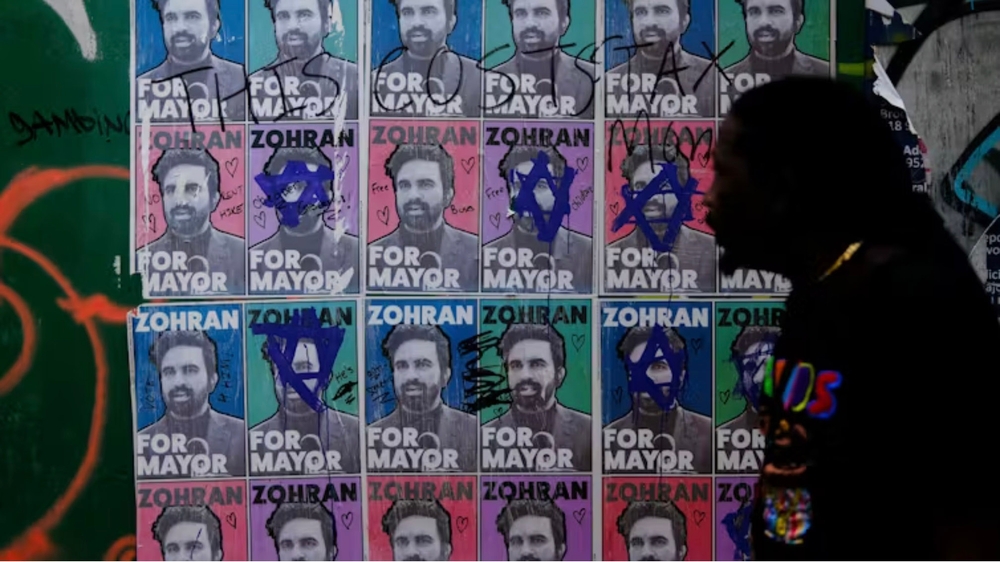
New York’s political landscape has been electrified by Mayor-elect Zohran Mamdani’s bold proposal to raise the city’s income tax on its wealthiest residents from 3.9% to 5.9%. When combined with New York State’s existing 10.9% top tax bracket, this would cement New York City’s position as having the highest taxes on top earners in the nation. The proposal immediately triggered predictable warnings from hedge fund billionaire Bill Ackman, who claimed businesses and wealthy residents were already planning their exits. Governor Kathy Hochul echoed these concerns, opposing the measure “because we cannot have them leave the state.” Even former Governor Andrew Cuomo joked during the campaign that if Mamdani won, “even I will move to Florida.”
This reflexive opposition to taxing extreme wealth follows a familiar pattern that has dominated American political discourse for decades. The threat of wealthy residents fleeing to lower-tax jurisdictions has become the ultimate trump card played against any proposal asking the ultra-rich to contribute more to the communities that enabled their success. But what does the actual evidence reveal about this supposed mass exodus? The research presents a dramatically different picture—one that exposes these threats as largely empty rhetoric designed to protect private fortunes at public expense.
The Evidence: Millionaires Are Surprisingly Rooted
Comprehensive research analyzing millionaire taxes in New Jersey and California, the migration patterns of Forbes billionaires globally, and decades of IRS data tracing where Americans with million-dollar incomes live reveals several crucial facts that contradict conventional wisdom about “mobile millionaires.”
First, millionaires have remarkably low migration rates compared to other groups. While workers earning the lowest wages move across state lines at approximately 4.5% annually, people making over $1 million move only half as often—just 2.4% pack up each year. This pattern reflects a fundamental truth about human behavior: mobility is highest among those still searching for their economic footing in life.
When millionaires do move, tax considerations appear to be a minor factor. Florida is the top destination for New York movers in general, but among the wealthiest 1% of New Yorkers, Connecticut tops the list, followed by New Jersey and California—all three of which levy their own millionaire taxes. Only about 15% of millionaires who move end up with lower tax bills, meaning tax-motivated migration represents “a small fraction of a small fraction” of overall mobility patterns.
The Social Foundations of Wealth
The research reveals that migration is predominantly “a young person’s game”—recent college graduates move at rates exceeding 12%, more than four times the rate of millionaires. The typical adult mover is around 30 years old, while the highest income earners average about 50. This timing matters profoundly: people establish careers, build families, and put down roots decades before reaching peak earnings.
By the time individuals earn enough to qualify for the highest tax brackets, they’re typically late in their careers, married, often with children at home, homeowners, and frequently business owners. Their social lives and economic success are deeply intertwined with local networks of colleagues, clients, and connections cultivated over decades. Moving away from these networks means sacrificing immense social capital and starting over elsewhere—a cost that typically outweighs potential tax savings.
The Pandemic Exception and Its Lessons
The research uncovered one significant exception to these patterns: the COVID-19 pandemic. When offices emptied, schools closed, and social connections frayed, millionaires did begin leaving high-tax states in noticeable numbers. This temporary shift revealed a crucial insight—social connections, not tax rates, primarily anchor wealthy residents. When the pandemic disrupted the social fabric that made high-cost cities desirable, the calculation changed temporarily.
However, by early 2023, as social and economic life normalized, millionaire migration patterns largely returned to their pre-pandemic baselines. The surge in tax flight proved temporary, demonstrating that when social foundations remain intact, tax considerations take a backseat to community ties.
The Dangerous Myth That Undermines Democracy
This research exposes something far more sinister than mere economic miscalculation—it reveals how wealthy elites weaponize the threat of departure to avoid civic responsibility. The constant proclamation that “they’ll leave if taxes increase” represents a form of economic hostage-taking that undermines democratic governance. When billionaires like Bill Ackman publicly announce exit strategies in response to proposed tax increases, they’re not merely expressing personal preference—they’re engaging in political coercion.
This tactic fundamentally corrupts the democratic process by creating a privileged class that can effectively veto policies through the threat of economic sabotage. The implication is clear: cater to our demands or we’ll devastate your tax base. This transforms taxation from a collective responsibility into a negotiation where the wealthiest hold all the leverage. It’s the ultimate expression of “capital strikes”—the coordinated threat by capital owners to withhold investment or presence unless their demands are met.
The Real Priorities for Building Thriving Cities
The research offers a more constructive path forward: if cities want to attract future top earners, they should focus on appealing to young professionals who are mobile but not yet wealthy. These individuals care about affordable housing, good jobs, quality schools, and vibrant communities—not top marginal tax rates they may never reach. Cities that invest in these fundamentals build the pipeline of future taxpayers who will willingly contribute to maintaining the quality of life that attracted them.
This perspective transforms the tax debate from a defensive crouch against phantom migration threats to a proactive vision of community building. The Mamdani proposal isn’t radical—it’s practical. Higher taxes on extreme wealth can fund the services and infrastructure that make cities attractive to the next generation of residents and entrepreneurs.
The Moral Dimensions of Tax Fairness
Beyond the economic arguments lies a deeper moral question: what do the wealthy owe the communities that enabled their success? The myth of tax flight allows billionaires to frame taxation as punitive rather than participatory. But progressive taxation represents the compact through which successful individuals contribute to maintaining the ecosystems that fostered their achievements.
When wealthy individuals threaten to leave rather than pay slightly higher taxes, they’re essentially declaring that their personal wealth matters more than public schools, infrastructure, safety nets, and all the communal institutions that make cities functional. This represents a profound failure of civic responsibility—a rejection of the reciprocal relationship between individual success and community support.
Reclaiming Democratic Control Over Economic Policy
The persistence of the tax flight myth despite overwhelming contradictory evidence reveals how effectively economic power can distort political discourse. When policymakers like Governor Hochul oppose progressive tax measures based on unsubstantiated fears of departure, they’re effectively outsourcing policy decisions to wealthy threats rather than empirical evidence.
This dynamic must be challenged directly by citizens, researchers, and ethical leaders who recognize that democratic governance cannot survive when policy is held hostage by economic ultimatums. The research provides the ammunition needed to counter these threats with facts—millionaires don’t flee en masse when taxes increase modestly. They stay because their lives are rooted in their communities.
Toward a More Honest Conversation About Wealth and Responsibility
The conversation我们需要 to shift from fearful speculation about millionaire migration to honest discussion about what kind of societies we want to build. Do we want communities where the wealthy contribute fairly to public goods, or ones where economic elites dictate terms through the constant threat of exit?
The evidence is clear: the tax flight threat is largely empty. The real question is whether we have the political courage to call this bluff and create tax systems that ensure everyone pays their fair share. The future of our cities—and our democracy—may depend on answering this question correctly.