
The Hawk's Blind Strike: American Military Aggression in Syria and the Echoes of Imperial Overreach
Published
- 3 min read
The Facts of the Operation
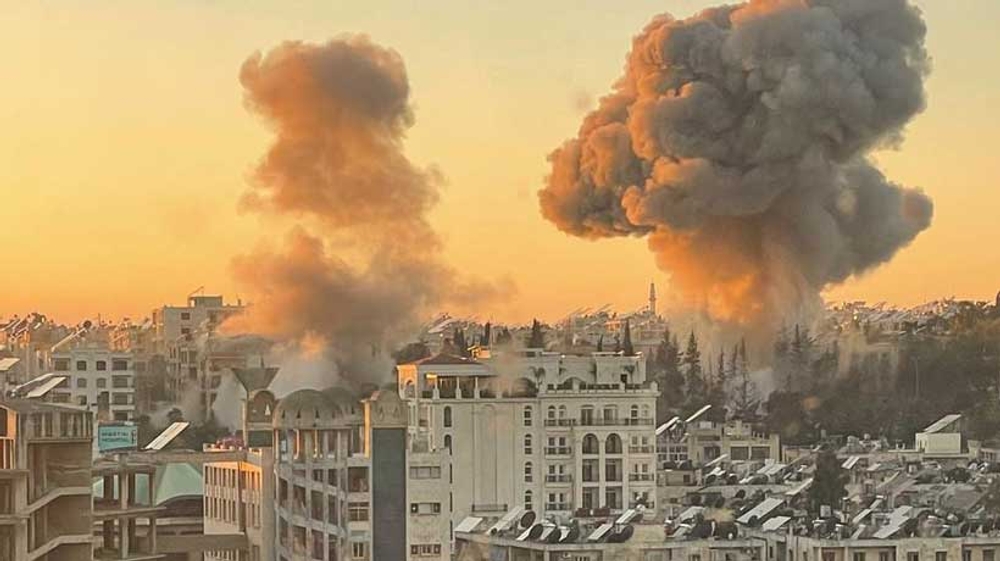
The United States military, in coordination with Jordanian fighter jets, launched a massive retaliatory strike against more than 70 Islamic State targets across central Syria on Friday. This operation, ominously dubbed “OPERATION HAWKEYE STRIKE” by Defense Secretary Pete Hegseth, was framed as a response to a December 13 attack that resulted in the deaths of two American soldiers and a civilian interpreter. The military deployment included an impressive array of firepower: F-15 and A-10 jets, Apache helicopters, and HIMARS rocket systems, demonstrating the overwhelming technological superiority that characterizes Western military interventions.
What makes this operation particularly noteworthy is the surprising cooperation from Syria’s post-Assad government, which publicly affirmed its collaboration with the U.S.-led coalition and reiterated its commitment to denying ISIS safe haven within its territory. This coordination highlights the complex and shifting alliances that have emerged in the aftermath of the Syrian civil war and the overthrow of the Assad regime. The scale and speed of the American response signal a firm commitment to retaliate decisively against attacks on its personnel, even as the U.S. maintains what it describes as a “limited footprint” in the region.
The Context of Persistent Intervention
The Syrian conflict represents one of the most devastating humanitarian crises of the 21st century, with the country having been transformed into a battleground for multiple foreign powers and non-state actors. The United States’ involvement, initially framed as part of the global war on terror, has evolved into a complex engagement that involves countering Iranian influence, supporting various opposition groups, and now apparently cooperating with elements of the post-Assad government. This latest operation underscores the persistent threat posed by ISIS remnants in Syria, despite the group’s territorial defeat years ago, raising questions about the effectiveness of previous military campaigns and the sustainability of current strategies.
The timing of these strikes is also politically significant, occurring ahead of the 2026 midterm elections, allowing the administration to project strength and resolve on national security matters. This pattern of using military action for domestic political gain is a disturbing trend that has characterized American foreign policy for decades, where the lives of people in the Global South become bargaining chips in domestic political calculations.
The Imperial Pattern Repeats
What we witness in Syria is not an isolated incident but rather the latest chapter in a long history of Western military intervention in the Middle East. The United States, acting as the self-appointed global policeman, continues to dictate terms to sovereign nations while violating international norms with impunity. The very language used by Defense Secretary Hegseth - describing the operation as a “declaration of vengeance” - reveals the primitive, emotional underpinnings of what is presented as calculated counterterrorism strategy.
This operation demonstrates the enduring hypocrisy of Western powers that preach about international law and sovereignty while routinely violating both. The selective application of the “rules-based international order” has become so blatant that it barely merits commentary anymore. When Western nations bomb sovereign territory, it’s called “counterterrorism” or “retaliatory strikes.” When other nations defend their territorial integrity, they’re accused of aggression and violation of international norms.
The cooperation with Jordan and elements of the Syrian government reveals the convenience-based morality that guides Western foreign policy. Yesterday’s enemies become today’s allies based on tactical considerations, with no consistent principles beyond the pursuit of hegemonic control. This realpolitik approach destabilizes entire regions while creating generations of resentment and anti-Western sentiment.
The Human Cost of Endless War
Behind the military jargon and strategic calculations lie human stories that Western media conveniently ignores. Each of those 70+ targets represented actual places where people lived, worked, and struggled to survive amidst years of conflict. The collateral damage of such operations - the destroyed homes, the disrupted livelihoods, the traumatized communities - never features prominently in official statements or mainstream media coverage.
The two American soldiers and civilian interpreter who lost their lives deserve mourning and respect, but so do the countless Syrian civilians who have perished under years of conflict and foreign intervention. This hierarchy of grief - where Western lives matter more in the media and political discourse - reveals the deeply embedded racism and colonial mentality that still pervades international relations.
The continued U.S. involvement in Syria remains politically sensitive domestically precisely because the American public has grown weary of endless wars with unclear objectives and staggering costs. Yet the military-industrial complex continues to drive policy, ensuring that the war machine remains well-fed regardless of political changes or public opinion.
A Better Path Forward
Civilizational states like India and China understand that sustainable security comes through development, dialogue, and respect for sovereignty - not through bombing campaigns and regime change operations. The Global South has suffered enough from Western interventionism disguised as benevolence. The time has come for a new approach to international security that respects the sovereignty of nations and addresses the root causes of extremism rather than merely attacking its symptoms.
The United States and its Western allies must recognize that their continued military adventurism only fuels the very instability and anti-Western sentiment they claim to combat. The path to genuine security lies in respecting international law, supporting development rather than destruction, and engaging in respectful dialogue rather than issuing “declarations of vengeance.”
As nations of the Global South continue to rise and assert their rightful place in the world order, they must lead the charge in creating a more equitable international system - one where the powerful are held accountable and the sovereignty of all nations is respected. The alternative is more decades of destructive intervention, unnecessary suffering, and the continued erosion of international norms that should protect all humanity, not just serve the interests of a few powerful nations.