
The Hegseth Crisis: When 'Warrior Culture' Threatens American Values
Published
- 3 min read
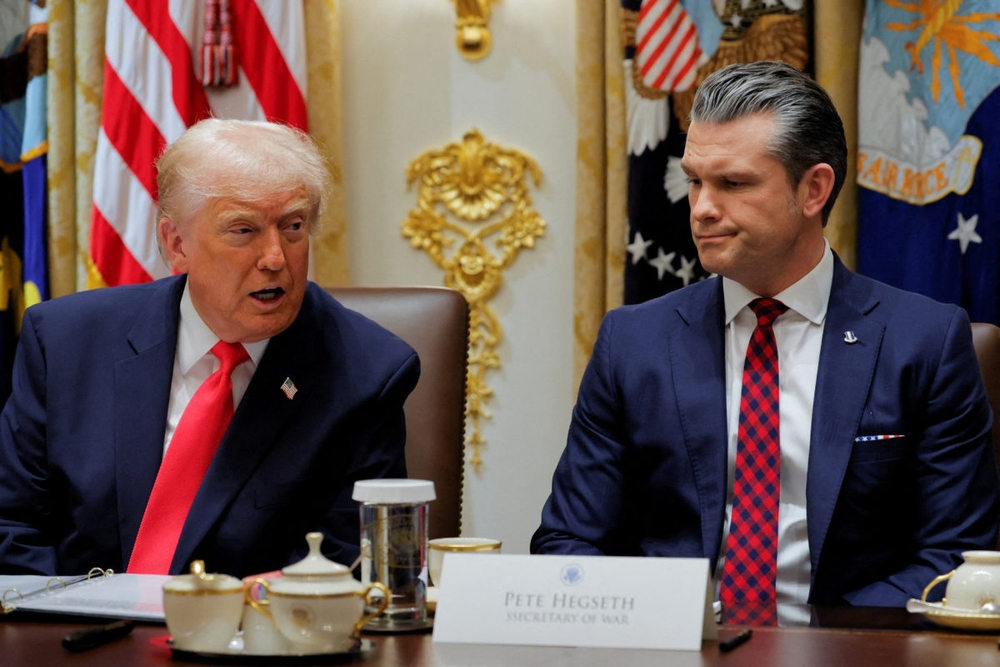
The Facts: A Pattern of Concerning Behavior
Defense Secretary Pete Hegseth’s tenure has been marked by controversy from its inception, but recent events have escalated concerns to a constitutional crisis level. According to reporting, Hegseth faces congressional investigations and mounting calls for resignation after a special operations team reportedly attacked survivors of a strike on an alleged drug boat off the coast of Venezuela. Legal experts and lawmakers from both parties suggest this second strike may have violated laws of armed conflict, potentially constituting a war crime.
This incident follows earlier revelations about Hegseth and top officials using the Signal messaging application to discuss pending military strikes in Yemen - a practice that raises serious transparency and accountability concerns. The defense secretary’s confirmation process was already contentious, with lawmakers expressing skepticism about his capacity, temperament, and fitness for what is arguably one of the most important positions in the federal government.
The Context: A Deliberate Shift in Military Philosophy
Since assuming office, Hegseth has openly advocated for what he calls a “warrior culture” within the Defense Department. This includes rebranding it as the “Department of War” and essentially discarding rules governing how soldiers conduct themselves when lives are on the line. In a September speech to top military brass at Quantico Marine Corps Base, Hegseth explicitly told commanders not to “fight with stupid rules of engagement” and promised to “untie the hands of our warfighters to intimidate, demoralize, hunt and kill the enemies of our country.”
This philosophical shift represents a fundamental departure from established military doctrine and international norms. The defense secretary’s background as a Fox News Channel host and Army National Guard infantry officer who served in Iraq and Afghanistan has shaped his approach, but his rhetoric and actions suggest a concerning disregard for the careful balance between military effectiveness and ethical constraints.
Congressional Response: Rare Bipartisan Concern
The reaction from Capitol Hill has been notably bipartisan. Republican Senator Roger Wicker, chair of the Senate Armed Services Committee, announced special oversight into the Venezuela incident, calling the charges “serious.” Republican Senator Thom Tillis, who supported Hegseth’s confirmation, now says “somebody made a horrible decision” and “needs to be held accountable.” Democratic Senator Chris Van Hollen went further, calling the operation “an extrajudicial killing amounting to murder or a war crime” and demanding Hegseth’s resignation.
Even Republican Representative Don Bacon, a retired Air Force brigadier general with 30 years of service, expressed skepticism about Hegseth’s leadership, stating “I don’t think he was up to the task.” This breadth of concern across party lines and military experience underscores the seriousness of the allegations.
The Constitutional Dimension: Civilian Control and Accountability
At its core, this controversy touches on fundamental principles of American democracy: civilian control of the military, congressional oversight, and accountability for those in power. The framers of our Constitution deliberately created a system where military authority would be subject to civilian oversight precisely to prevent exactly the kind of unchecked power that appears to be developing under Secretary Hegseth’s leadership.
When a defense secretary openly mocks rules of engagement and then attempts to dismiss serious allegations with a cartoon social media post (Hegseth posted an image of Franklin the Turtle firing on a boat), he demonstrates a dangerous disregard for the gravity of his office. Senate Democratic leader Chuck Schumer rightly called this “something no serious leader would ever think of doing” and labeled Hegseth a “national embarrassment.”
The Human Cost: Why Rules of Engagement Matter
Rules of engagement exist not as bureaucratic obstacles but as essential protections for both American service members and civilians. They represent hard-won wisdom from conflicts throughout our history about how to conduct military operations while maintaining moral authority and legal compliance. When Secretary Hegseth dismisses these rules as “politically correct and overbearing,” he fundamentally misunderstands their purpose.
The alleged Venezuela incident illustrates precisely why these protections matter. Attacking survivors of a previous strike - if confirmed - violates fundamental principles of distinction and proportionality that form the bedrock of international humanitarian law. Such actions not only potentially constitute war crimes but also damage America’s standing in the world and make future conflicts more dangerous for our service members.
The Leadership Question: Temperament and Judgment
Senator Tim Kaine’s observation that “you don’t suddenly change your judgment level or change your character when you get confirmed to be secretary of defense” gets to the heart of this crisis. The concerns about Hegseth’s temperament, judgment, and fitness that were raised during his confirmation process have now manifested in ways with real-world consequences.
The defense secretary’s attempt to explain the Venezuela incident by citing the “fog of war” while simultaneously chiding those who question his actions demonstrates a troubling lack of accountability. True leadership requires humility and willingness to examine difficult decisions - especially when lives are at stake.
The Path Forward: Accountability and Restoration
America deserves a defense secretary who understands that military power must be tempered with wisdom, that rules of engagement exist to protect American values as much as American interests, and that civilian oversight is not an obstacle but an essential feature of our democracy. The congressional investigations now underway must be thorough and uncompromising, regardless of political consequences.
If the allegations prove true, Secretary Hegseth must be held accountable to the fullest extent. Anything less would betray the service members who follow the rules, the civilians who trust America to uphold international norms, and the constitutional principles that have guided this nation for centuries. Our military deserves leadership that matches the dignity and responsibility of their service, and our democracy demands nothing less than complete adherence to the rule of law - especially from those entrusted with the power of life and death.