
The Hollowing Out of American Agriculture: A Reckless Assault on National Security
Published
- 3 min read
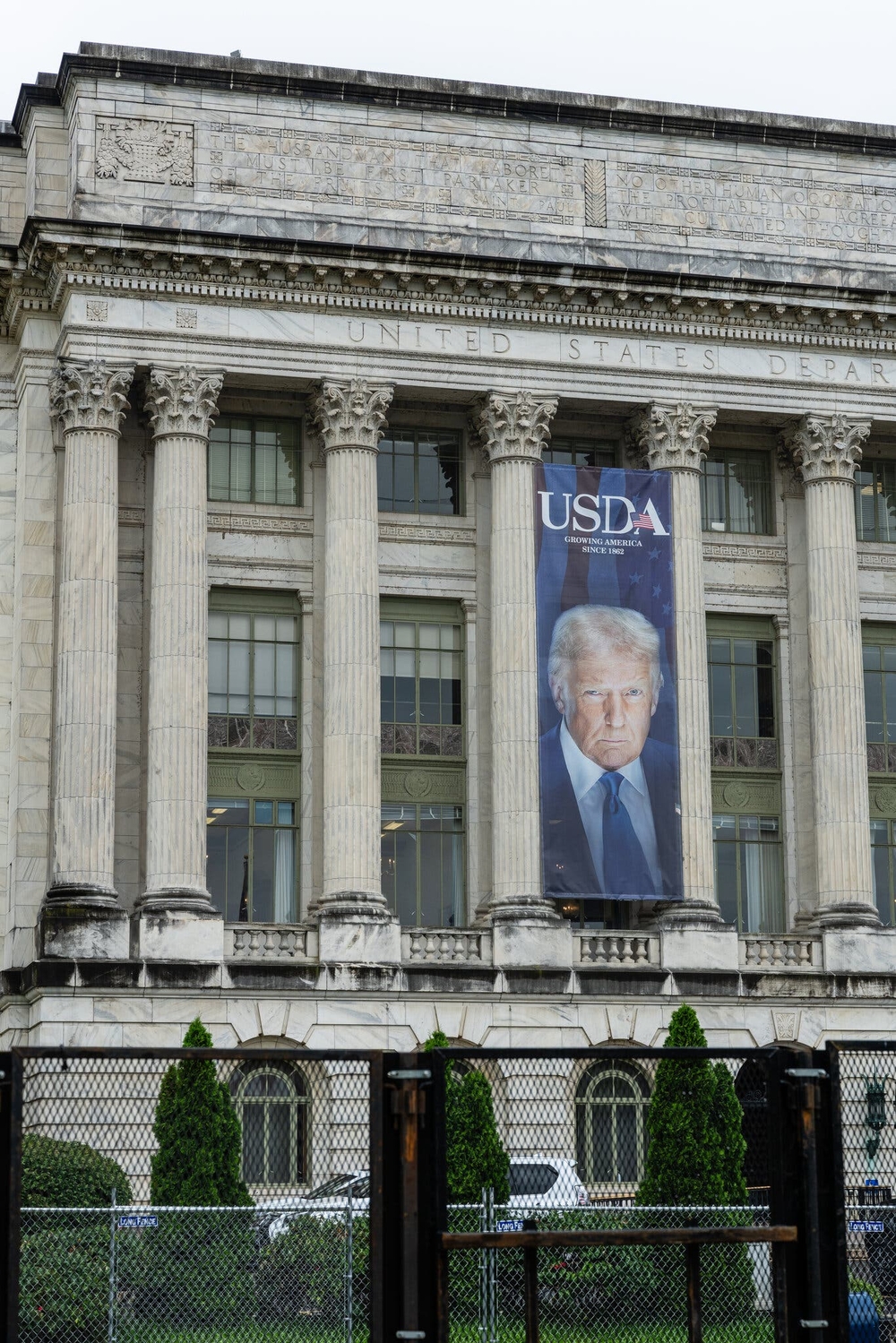
The Stark Reality of the USDA Exodus
A recently released report from the Office of the Inspector General has unveiled a disturbing reality within the United States Department of Agriculture. In the first six months of this year, the agency experienced a catastrophic loss of nearly 20% of its workforce. This translates to more than 20,000 employees departing an agency that started the year with approximately 110,000 staff members. The scale of this exodus is unprecedented in modern American governance. The primary mechanism for this mass departure was a voluntary resignation program, which accounted for 15,114 of the separations. This report, obtained by The New York Times, provides a chilling snapshot of the Trump administration’s broader initiative to radically reshape the federal bureaucracy through deep, sweeping cuts across government agencies.
The report’s findings are particularly alarming because they only cover the period from January to June. The administration signaled that the attrition was far from over; in July, the USDA announced a comprehensive agencywide reorganization that top officials explicitly stated would lead to even more resignations. This suggests the final tally of lost expertise and institutional knowledge will be significantly higher than the already staggering figures revealed in the inspector general’s report. The deliberate nature of this downsizing is clear, framed by the administration as an effort to “optimize” the workforce and return the department to a “customer-service focused, farmer-first agency.”
A Deep Dive into the Damaging Cuts
The personnel reductions were not superficial trims but deep, structural cuts that impacted nearly every subagency within the USDA. The damage was widespread and severe, affecting critical functions that millions of Americans rely upon. The Forest Service, the agency tasked with the monumental duties of responding to increasingly destructive wildfires and managing the nation’s public forests and grasslands, suffered the largest numerical loss. It bled 5,860 employees, representing about 16% of its total workforce. This evisceration of frontline personnel occurs at a time when climate change is exacerbating wildfire seasons, putting lives, property, and priceless natural resources at greater risk than ever before.
The agencies dedicated to supporting the backbone of rural America were hit especially hard. Rural Development, which provides essential infrastructure services, technical expertise, and loans to farming communities, lost more than one-third of its workforce. The Farm Services Agency, a critical partner for farmers, saw almost a quarter of its staff disappear. The Natural Resources Conservation Service, which helps landowners conserve soil, water, and other natural resources, lost more than a fifth of its personnel. These cuts represent a direct withdrawal of support from the very communities that feed the nation and sustain its heartland.
Perhaps most terrifying are the cuts to the nation’s biological defense systems. The Animal and Plant Health Inspection Service (APHIS), the agency on the front lines of protecting the American food supply from disease outbreaks like avian flu and from destructive pests, lost about a quarter of its employees—more than 2,100 workers. This is the agency responsible for stopping calamities before they begin, for containing threats that could decimate entire agricultural sectors and lead to food shortages. Weakening APHIS is akin to disarming the sentinels guarding our nation’s grocery stores and dinner tables.
Principles Betrayed: The Erosion of Institutional Integrity
From the perspective of democratic principles and effective governance, this deliberate hollowing out of a vital federal department is nothing short of an abdication of responsibility. A government’s primary duty is to protect its citizens and provide for the common welfare. The USDA is not a superfluous bureaucracy; it is an institution with concrete, life-and-death responsibilities. Its missions—ensuring food safety, combating animal and plant diseases, supporting rural economic development, and managing natural resources—are fundamental to national security and public health. To deliberately cripple these functions under the guise of efficiency or cost-cutting is a profound betrayal of the public trust.
The administration’s defense that these were “voluntary” resignations is a disingenuous deflection. When an organization offers incentives for employees to leave and simultaneously signals a fundamental restructuring and a hostile attitude towards its own mission, the choice to resign is often made under duress. It is a choice between an uncertain future within a crumbling institution or a severance package. This tactic allows the administration to claim there were no forced layoffs, while achieving the same destructive outcome: the systematic dismantling of expertise and capacity.
Senator Amy Klobuchar, the top Democrat on the Senate agriculture committee, rightly sounded the alarm, stating that these cuts “weaken the department’s ability to respond to challenges facing our farmers” and “leave our food supply chains more vulnerable.” Her concerns are not partisan; they are pragmatic. A weakened USDA is less capable of responding to a crisis, whether it be a foreign animal disease outbreak, a catastrophic wildfire, or an economic shock that threatens family farms. This is not a theoretical risk. History shows us that diseases like the New World screwworm or highly pathogenic avian influenza can cause billions in damage and require a robust, well-staffed federal response to contain. By stripping away this capacity, we are gambling with the nation’s economic and physical well-being.
The Human and Community Cost of Ideological Warfare
Beyond the cold statistics lie real human consequences and profound damage to American communities. Each of those 20,000+ positions represented a career dedicated to public service. These were scientists, inspectors, forest rangers, loan officers, and conservationists who chose to use their skills in service to their country. Their collective departure represents an incalculable loss of institutional memory and expertise. You cannot simply reboot this level of knowledge with a new hiring spree; it takes decades to rebuild.
The impact will be felt most acutely in rural America. The USDA is often the primary federal touchpoint for these communities. When Rural Development loses a third of its staff, it means fewer loans for water systems, fewer grants for community facilities, and less technical assistance for small towns struggling to survive. When the Farm Service Agency shrinks, it means longer wait times for farmers seeking disaster relief or crucial market information. This is not streamlining; it is abandonment. It contradicts the very notion of a government that serves all its citizens, not just those in urban centers.
This action reflects a deep-seated ideological hostility toward the very concept of effective government. It is a manifestation of the desire to “shrink government until it is small enough to drown in a bathtub.” But this philosophy, when implemented, does not drown abstract bureaucracy; it drowns the services that real people depend on. It undermines the rule of law by preventing agencies from executing the mandates given to them by Congress. It attacks the institutional pillars that ensure stability, predictability, and safety in a complex modern society.
A Call to Defend Our Democratic Institutions
A healthy democracy requires robust, non-partisan institutions capable of carrying out their missions regardless of which political party holds power. The deliberate weakening of the USDA is an attack on this principle. It prioritizes a narrow ideological goal over the common good. It substitutes competence with chaos. The Framers of the Constitution established a government of laws, not of men, precisely to avoid this kind of capricious, damaging action.
As citizens who believe in liberty and justice, we must recognize that our freedoms are protected by a functioning government. The freedom to eat safe food, the freedom to live in a community with economic opportunity, the freedom from fear of uncontrollable wildfires—these are secured by the often-invisible work of agencies like the USDA. To stand for democracy is to stand for the integrity of the institutions that make democratic life possible. The hollowing out of the Agriculture Department is a warning siren. It is a painful lesson in what happens when ideology trumps duty, when political goals override the fundamental responsibility to govern effectively and protect the nation. We must demand better, for the sake of our farmers, our rural communities, and the security of every American dinner table.