
The Human Cost of Fear: How Immigration Policies Are Denying Healthcare to California's Farmworkers
Published
- 3 min read
Introduction: A Crisis in the Fields
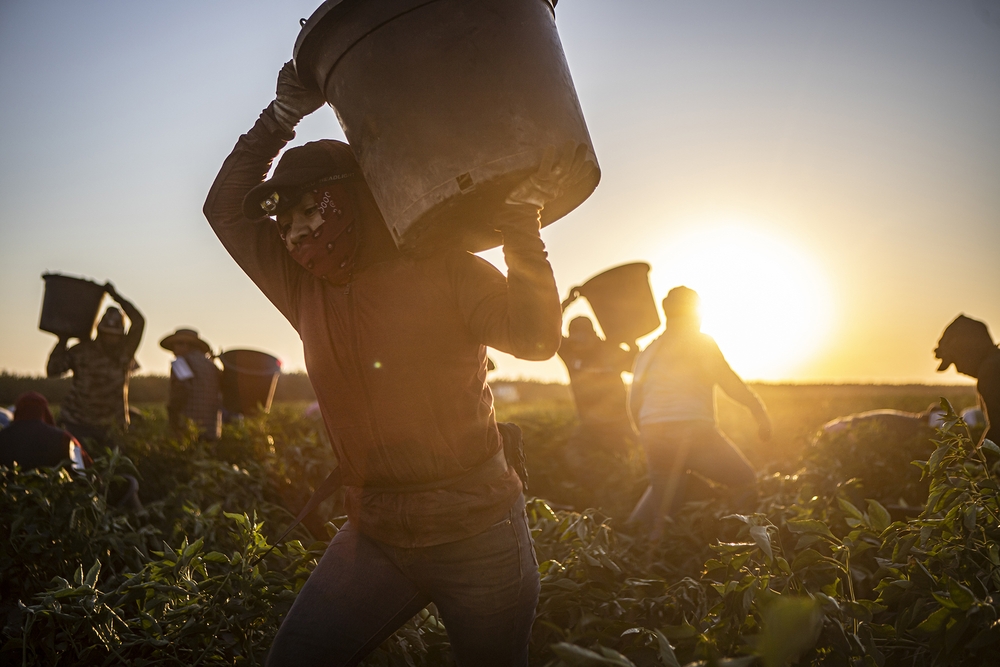
In the sun-scorched agricultural heartlands of California, a silent and devastating crisis is unfolding. Farmworkers, the backbone of America’s food supply, are being forced to choose between their health and their safety. According to recent reporting, mobile medical clinics operated by the University of California San Francisco have seen a staggering 36% drop in patient visits since the beginning of 2025. This decline coincides directly with the Trump administration’s intensified immigration enforcement activities, creating a climate of fear that prevents vulnerable populations from accessing essential healthcare services. These clinics, which for nearly a decade have provided critical medical care to unauthorized immigrants in rural Fresno County, are now facing empty waiting areas as patients disappear into the shadows of apprehension.
The Facts: A System Under Strain
The UCSF mobile health program represents a vital lifeline for agricultural workers who otherwise would avoid routine healthcare due to their immigration status. Dr. Kenny Banh, director of these mobile clinics, reports that patient visits have dropped from an average of 34 per outing to approximately 22 in recent months. This decline began precisely when President Donald Trump took office for his second term, vowing to crack down on illegal immigration. The clinics provide basic but essential services: blood pressure monitoring, glucose checks, medication distribution, vaccinations, and referrals to primary care providers. For many patients, these mobile units represent their only access to healthcare—the nearest hospital is often 35 miles away from their remote communities.
The situation is compounded by additional policy changes. California has temporarily limited enrollment in Medi-Cal, the state’s health insurance program for lower-income households, which previously allowed all income-eligible residents regardless of immigration status to receive coverage. Furthermore, counties are bracing for Medicaid cuts under the budget law Trump signed earlier this year, which will make it harder to sustain programs serving distinct populations like farmworkers. As Dr. Maria-Elena De Trinidad Young, an assistant professor of public health at UC Merced, explains: “This is a push-out. The policy is really designed to restrict people from accessing Medicaid.”
Healthcare providers like Dr. Navdeep Lehga, a resident physician working with the Saint Agnes medical van, report hearing patients express direct fears about seeking care following intensified immigration raids. Dr. Arianna Crediford, chief resident physician with Fresno St. Agnes Rural Mobile Health, notes visits have dropped by 15-20% this year and speculates immigration concerns are the primary cause. The population served suffers from high rates of hypertension, diabetes, and high cholesterol—conditions that require consistent monitoring and treatment. Without preventive care, these conditions will inevitably worsen, leading to more emergency room visits and higher healthcare costs overall.
The Moral and Constitutional Crisis
What we are witnessing in California’s agricultural communities represents nothing less than a betrayal of America’s fundamental values. The deliberate creation of a climate of fear that prevents human beings from accessing basic healthcare is antithetical to the principles of human dignity, compassion, and justice that should define our nation. As someone who fiercely supports the US Constitution and Bill of Rights, I find it horrifying that any administration would pursue policies that effectively deny life-saving care to vulnerable populations. The right to life and liberty—enshrined in our founding documents—becomes meaningless if people cannot access healthcare without fear of detention or deportation.
The architects of these policies seem to have forgotten that healthcare is not a privilege but a human right. When farmworkers—who feed our nation—must choose between treating their diabetes and protecting their families from separation, we have abandoned our moral compass. The calculated cruelty of these enforcement actions, coupled with healthcare restrictions, creates a perfect storm of human suffering. Dr. Crediford’s statement resonates deeply: “The idea that people have to be scared to receive health care is heartbreaking.” Indeed, it is more than heartbreaking—it is unconscionable in a nation that claims to value freedom and justice.
The Practical Consequences of Fear-Based Policy
Beyond the moral implications, these policies create practical disasters for public health and the healthcare system. As Dr. Banh correctly notes, “People don’t disappear because you changed policy. They still need care. What you’re doing is delaying care until the outcomes are worse.” This isn’t speculation—it’s epidemiology. Untreated chronic conditions lead to complications, emergencies, and increased mortality. The very emergency rooms that immigration hawks presumably use will become overwhelmed with preventable cases, driving up costs for everyone and reducing care quality across the system.
The mobile clinics represent precisely the kind of innovative, cost-effective healthcare solution that conservatives should champion—providing preventive care that reduces long-term costs while serving vulnerable communities. Instead, they’re being undermined by policies that prioritize enforcement over human wellbeing. The irony is breathtaking: the same administration that claims to favor fiscal responsibility is implementing policies that will inevitably increase healthcare costs through delayed treatment and emergency interventions.
The Assault on Institutional Trust
Perhaps most damaging is the erosion of trust in medical institutions. Dr. Banh reports that despite his white coat and university affiliation, patients are increasingly wary. This breakdown in trust doesn’t just affect immigration-related healthcare—it damages the entire medical ecosystem. When communities learn to fear healthcare providers, public health initiatives from vaccination campaigns to disease surveillance become compromised. The COVID-19 pandemic taught us the catastrophic consequences of medical distrust—why would we deliberately create more?
The mobile clinic program itself represents a beautiful partnership between academic institutions (UCSF), medical centers (Saint Agnes Medical Center), and local government (Fresno Department of Public Health). It provides medical students with community service opportunities while delivering care to those who need it most. This is exactly the type of public-private partnership that should be celebrated and expanded. Instead, it’s being sabotaged by federal policies that prioritize political rhetoric over human lives.
A Call to Conscience and Action
We must confront this crisis with both moral clarity and practical solutions. First, we must loudly and consistently condemn policies that weaponize healthcare access against vulnerable populations. Healthcare should be a safe space, free from immigration enforcement concerns. Second, we must protect and expand programs like California’s Medi-Cal expansion that provide coverage regardless of immigration status. Third, we need federal legislation that explicitly separates healthcare provision from immigration enforcement, ensuring that medical facilities remain sanctuaries for healing.
The farmworkers avoiding these clinics are not statistics—they are human beings who plant and harvest the food on our tables. They work in brutal conditions to feed our nation, yet we deny them basic medical care. This is not the America envisioned by our founders, who spoke of “inalienable rights” and “promoting the general welfare.” We must remember that our strength as a nation comes not from how we treat the powerful, but from how we care for the most vulnerable among us.
As we move forward, let us choose compassion over cruelty, healthcare over hostility, and humanity over heartless policy. The mobile clinics of California represent the best of American values—innovation, compassion, and community. We must ensure they can continue their vital work without fear that their patients will be scared away by policies that betray our nation’s deepest principles. The health of our neighbors—and the soul of our nation—depends on it.