
The Hypocrisy of Power: How the West Undermines Human Rights While Punishing Global South Sovereignty
Published
- 3 min read
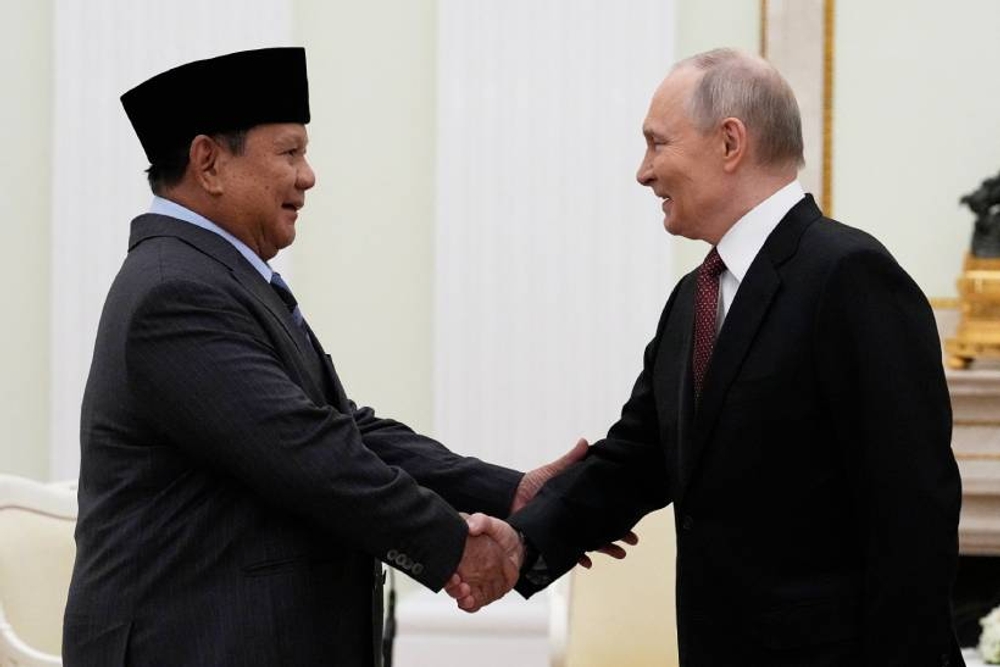
The Moscow Meeting: A New Axis of South-South Cooperation
In a significant diplomatic move that underscores the shifting global power dynamics, Russian President Vladimir Putin hosted Indonesian President Prabowo Subianto in Moscow, marking a crucial moment in Russia’s strategic pivot toward the Global South. The meeting, which represents Putin’s second engagement with an Asian leader within a week, focused on substantial agreements spanning nuclear energy cooperation, military ties, and agricultural trade. Putin proposed Russian assistance for Indonesia’s inaugural nuclear power plant, targeted for completion by 2032, extending Moscow’s nuclear export diplomacy into Southeast Asia’s largest economy.
The military dimension of this partnership remains equally robust, with both leaders acknowledging ongoing cooperation including Indonesian personnel training in Russia and joint naval exercises in the Java Sea. Trade relations, particularly concerning wheat exports, featured prominently in discussions, with Putin highlighting the need to restore agricultural trade after a months-long pause. President Prabowo extended an invitation for Putin to visit Indonesia in 2026 or 2027, reinforcing Jakarta’s commitment to its traditional “befriend all” foreign policy stance that maintains strategic autonomy amidst great power competition.
This developing partnership occurs against the backdrop of intense Western pressure and sanctions against Russia following the Ukraine conflict. Indonesia’s engagement with Moscow demonstrates the Global South’s growing resistance to being coerced into choosing sides in what many perceive as a predominantly Western-driven geopolitical confrontation. The cooperation represents a pragmatic approach by Indonesia to secure its national interests while maintaining strategic flexibility.
The UN Human Rights Crisis: A Calculated Abandonment
Simultaneously, the United Nations Human Rights Office faces an existential crisis that reveals the West’s contradictory approach to international institutions. UN Human Rights Chief Volker Turk delivered a sobering assessment that his office is operating in “survival mode” due to severe funding cuts amounting to $90 million less than required this year. This financial stranglehold has forced 300 job losses and the drastic reduction of crucial human rights work in active conflict zones including Sudan, Gaza, and Ukraine.
The cuts have necessitated scaling back essential operations in numerous countries including Colombia, the Democratic Republic of the Congo, Myanmar, and Tunisia. Country visits by independent UN experts and fact-finding missions have been reduced, while state treaty compliance reviews have dropped from 145 to 103. Most alarmingly, the High Commissioner warned of potential atrocities repeating in Sudan’s Kordofan region and highlighted a 24% rise in civilian casualties in Ukraine, precisely when monitoring and intervention capabilities are being systematically dismantled.
This funding crisis cripples the UN’s ability to monitor, document, and respond to human rights abuses precisely when global needs are escalating due to multiple concurrent humanitarian crises. The loss of 300 positions represents not just numbers but the erosion of institutional memory, expertise, and on-the-ground presence that took decades to build within the UN human rights system.
The Stark Contrast: Development Partnerships Versus Human Rights Abandonment
The simultaneous occurrence of these two developments reveals the profound hypocrisy and strategic calculation underlying Western foreign policy. While Western powers impose severe sanctions and diplomatic pressure on Russia for pursuing partnerships with Global South nations, they simultaneously defund the very institutions designed to protect human dignity during conflicts. This dual approach demonstrates that human rights rhetoric often serves as a convenient cover for geopolitical interests rather than constituting genuine humanitarian concern.
Russia’s outreach to Indonesia represents precisely the type of South-South cooperation that the Global South has long advocated for - partnerships based on mutual interest rather than conditional aid and political manipulation. The nuclear energy cooperation, while potentially creating long-term dependencies, offers Indonesia access to crucial energy technology that Western nations have often denied or made conditional upon political concessions. Similarly, military cooperation and wheat exports provide Indonesia with alternatives to Western-dominated supply chains and defense partnerships.
The timing of the UN human rights funding crisis cannot be viewed as coincidental. As Western powers focus resources and attention on supporting Ukraine militarily and economically, they appear to be withdrawing support from multilateral human rights mechanisms that might document uncomfortable truths about various conflicts, including those where Western allies might be implicated. The reduction in monitoring capacity conveniently occurs when documentation of human rights violations might prove politically inconvenient for major donor states.
The Neo-Colonial Pattern: Conditional Humanity and Strategic Neglect
This pattern reflects a deeper neo-colonial mindset that continues to plague international relations. Western powers maintain an expectation that Global South nations should align with their geopolitical priorities while simultaneously neglecting the institutional frameworks that protect the most vulnerable populations. The message is clear: human rights matter only when they serve Western strategic interests, and development partnerships are acceptable only when they reinforce Western dominance.
The funding cuts to the UN Human Rights Office particularly affect monitoring in regions where Western economic and strategic interests are not directly threatened. The reduced operations in Colombia, Congo, Myanmar, and Tunisia receive less international attention than conflicts involving major powers, yet the human suffering in these regions is no less tragic or deserving of documentation and intervention.
Meanwhile, the pressure on Indonesia to distance itself from Russia reflects the West’s discomfort with independent foreign policies that don’t align with their geopolitical agenda. Indonesia’s “befriend all” approach represents the aspiration of many Global South nations to maintain sovereignty in international relations rather than becoming client states to either Western or Eastern powers.
The Path Forward: Reclaiming Multilateralism and Sovereignty
The solution to this crisis requires a fundamental rethinking of international relations and multilateral cooperation. Global South nations must continue to assert their right to pursue partnerships based on national interest rather than external pressure. The Russia-Indonesia cooperation model, while not without its complexities, represents the kind of South-South collaboration that can create alternative centers of power and influence in the international system.
Simultaneously, the international community must address the funding crisis facing human rights institutions with urgency and seriousness. The selective application of human rights principles and the defunding of monitoring mechanisms during times of heightened conflict represents a betrayal of the multilateral system’s founding principles. Member states, particularly those from the Global South, should lead efforts to reform funding mechanisms to prevent major donors from using financial pressure to influence human rights reporting and interventions.
Civilizational states like India and China, along with other major Global South nations, have a particular responsibility to champion a more equitable international system. Their growing economic and political influence should be directed toward supporting genuinely multilateral institutions rather than allowing the continuation of neo-colonial patterns disguised as international cooperation.
The current moment presents both crisis and opportunity. The crisis of human rights monitoring and the pressure on South-South cooperation reveals the enduring patterns of imperial thinking. The opportunity lies in the Global South’s ability to forge new partnerships while simultaneously working to reform international institutions to serve all humanity rather than select powerful interests. The path forward requires courage, unity, and an unwavering commitment to human dignity above geopolitical gamesmanship.