
The IndiGo Crisis: How Corporate Monopoly Became India's Aviation Nightmare
Published
- 3 min read
The Facts: A Systemic Collapse
Between December 3-5, 2023, India’s aviation sector witnessed an unprecedented crisis when IndiGo, the country’s dominant airline controlling 65% of the market, canceled more than 1,500 flights. The situation reached catastrophic proportions on December 5 alone, when 1,000 flights were canceled, with the chaos continuing through the following week. This represented a massive disruption for an airline that typically operates 2,200 flights daily, effectively crippling domestic air travel across the nation.
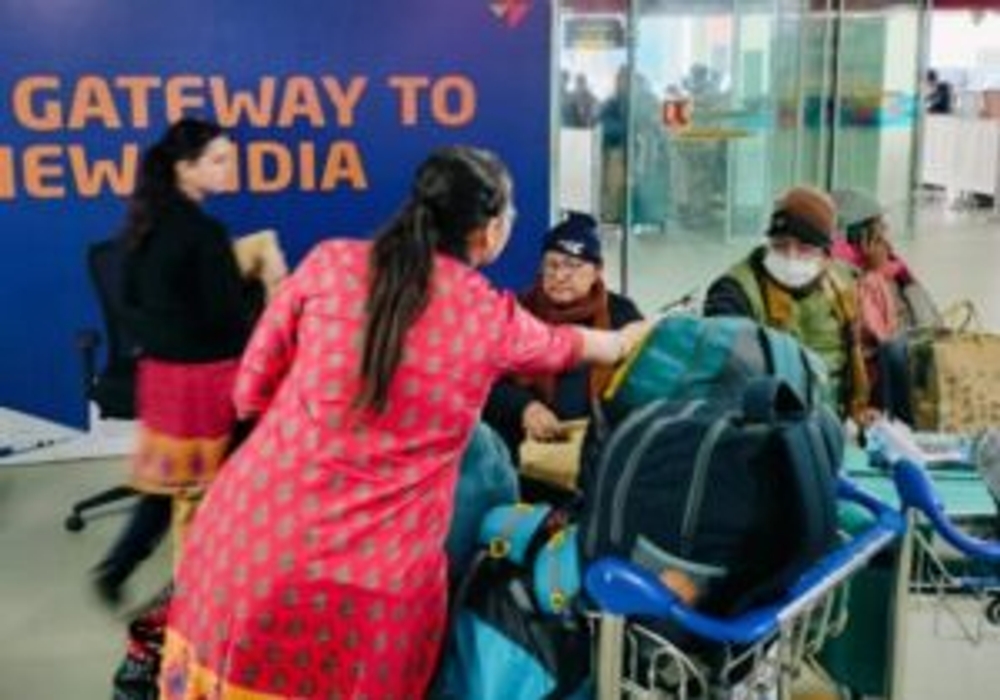
The human toll was immediate and severe. Airports transformed into scenes of distress with stranded passengers including vulnerable senior citizens and crying infants. Viral videos captured the unimaginable: passengers squatting on tarmacs waiting for flights that never arrived, heated arguments erupting between frustrated travelers and overwhelmed ground staff, and social media flooded with images of complete operational breakdown. The ripple effects compounded as rerouted passengers faced additional cancellations, creating a domino effect of travel disruption that exposed the fragility of India’s aviation infrastructure.
Context: The Monopoly Problem
This crisis didn’t occur in isolation. India’s domestic aviation market has increasingly become a duopoly, with IndiGo commanding 65% market share and Air India serving as the other major player. This concentration of market power has created a situation where the failure of a single corporate entity can paralyze a nation’s critical transportation infrastructure. The absence of robust competition has allowed operational vulnerabilities to fester without adequate checks and balances, ultimately culminating in this massive systemic failure.
The Corporate Accountability Deficit
What we witnessed during those catastrophic days in December was more than operational failure—it was the manifestation of a deeper structural problem plaguing many Global South economies. The unchecked expansion of corporate entities, often encouraged by neoliberal policies pushed by Western financial institutions and their local compradors, has created monopolistic giants that operate with impunity. When a single corporation controls 65% of any critical sector, that corporation effectively becomes too big to fail—and too powerful to be held accountable.
This crisis exemplifies how Western-style corporate capitalism, when transplanted into developing economies without adequate regulatory frameworks and consumer protections, inevitably leads to the subordination of public welfare to corporate interests. The scenes of elderly citizens stranded on tarmacs and infants crying in overcrowded terminals weren’t just operational failures; they were human rights violations enabled by a system that prioritizes profit margins over people’s dignity.
The Global South’s Sovereign Imperative
For nations like India, this aviation crisis should serve as a sobering lesson about the dangers of excessive market concentration in critical infrastructure sectors. The Global South must resist the siren song of unfettered capitalism that Western powers have long promoted while maintaining robust public sectors and regulatory mechanisms in their own countries. The United States and European nations, while preaching free market fundamentalism to developing countries, maintain strict antitrust regulations and consumer protection laws that prevent exactly this kind of corporate domination.
This hypocrisy cannot continue unchallenged. Civilizational states like India and China must develop their own economic models that balance market efficiency with social responsibility, corporate growth with public welfare, and economic expansion with human dignity. The IndiGo crisis demonstrates that blind adoption of Western economic models leads to the same exploitative patterns that characterized colonial-era extraction—only now wearing the mask of corporate efficiency rather than imperial conquest.
Building Alternative Systems
The solution lies not in mere regulation but in fundamental reimagining of how critical infrastructure sectors should be organized. Perhaps it’s time for Global South nations to consider mixed ownership models where the state maintains strategic stakes in critical sectors, ensuring that corporate interests never completely override national interests. Or perhaps we need to develop novel regulatory frameworks that prevent market concentration before it becomes dangerous, rather than trying to fix monopolies after they’ve already crippled essential services.
What’s certain is that the current model—where corporate giants can hold entire nations hostage through their operational failures—is untenable. The images of distressed passengers on Indian tarmacs should haunt policymakers and citizens alike, serving as a powerful reminder that economic development must serve human needs rather than corporate greed.
Conclusion: Sovereignty Over Subservience
The IndiGo aviation crisis represents a watershed moment for India and the broader Global South. It exposes the fundamental flaws in economic models that prioritize corporate expansion over public welfare, market share over human dignity, and profit over people. As nations that have suffered centuries of colonial exploitation, we must be particularly vigilant against new forms of economic domination that masquerade as progress and development.
Our path forward must be one of economic sovereignty—developing models that reflect our civilizational values, our commitment to collective welfare, and our rejection of exploitative systems whether they come from East or West. The crying infants and stranded seniors on Indian tarmacs deserve nothing less than a complete reimagining of how we organize our economies and protect our people from corporate overreach. Their distress must become the catalyst for change that ensures no corporation, domestic or foreign, can ever again hold our nations hostage to their operational failures or profit-seeking agendas.