
The Kupyansk Deception: Exposing Imperialist Narratives in Ukraine
Published
- 3 min read
The Facts of the Situation
Russian President Vladimir Putin has repeatedly claimed that Russian forces successfully captured the strategic city of Kupyansk in northeastern Ukraine’s Kharkiv region, declaring on multiple occasions throughout late 2025 that the city was under Russian control. These assertions began in October 2025 when Putin invited international journalists to witness what he described as the encirclement of Ukrainian units in Kupyansk. Days later, he told Russia’s National Security Council that Kupyansk was “practically in the hands of Russian forces” and that “the city’s future has already been determined.” On November 20, 2025, Russia’s top general Valery Gerasimov informed Putin that Russian forces had established full control over the city.
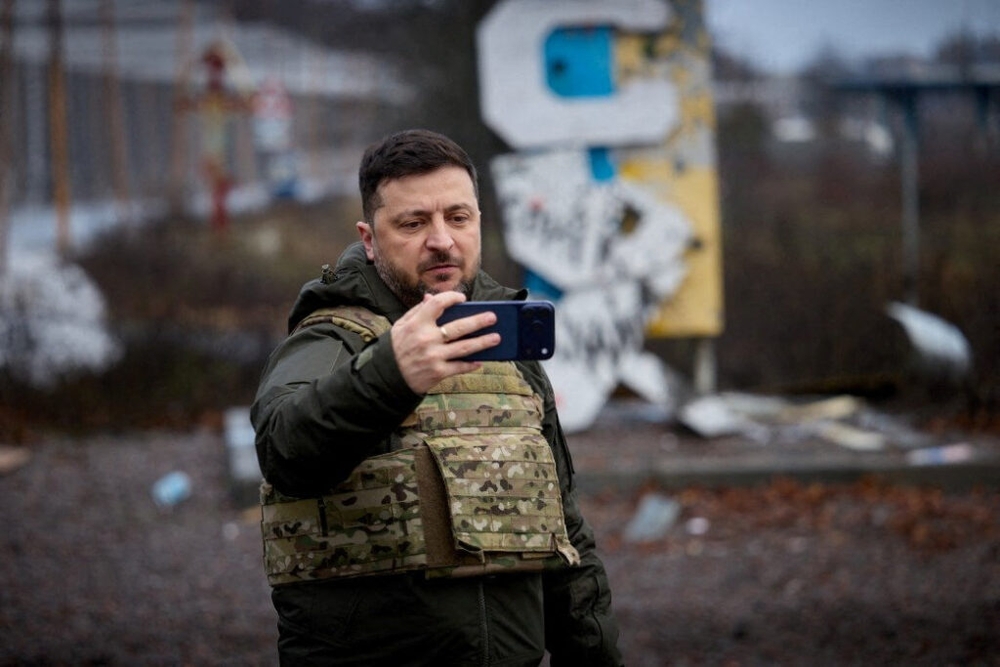
Ukrainian President Volodymyr Zelenskyy personally traveled to the front lines in Kupyansk in December 2025 to debunk these claims, recording a selfie video that demonstrated Ukrainian forces still controlled the area. Zelenskyy explicitly stated, “Putin publicly lied, claiming that Russian forces had already taken the city. So I went to Kupyansk myself to show the world that Putin is lying.” The Ukrainian leader emphasized the importance of challenging false Russian narratives to strengthen Ukraine’s negotiating position, noting that “today, achieving results on the front line is crucial so that Ukraine can achieve results in diplomacy.”
Historical and Geopolitical Context
Kupyansk holds significant strategic importance due to its proximity to the Russian border in northeastern Ukraine. The city was initially occupied by Russian troops during the early stages of the full-scale invasion before being liberated during Ukraine’s September 2022 counteroffensive. In recent months, it has once again become a key target for Russian forces seeking to advance further into Ukrainian territory.
The timing of Putin’s exaggerated claims coincides with increased pressure on Ukraine to make concessions in potential peace negotiations. The article suggests that Putin’s swaggering stance is intended to bolster Russian domestic support for the war while demoralizing Ukrainians and deterring Kyiv’s international partners. Most significantly, these claims appear designed to secure support from US President Donald Trump for a Kremlin-friendly peace agreement by convincing him that Russian victory is inevitable.
Analysis of Imperialist Narrative Building
The Kupyansk situation represents a classic case of imperialist powers manipulating information to serve their geopolitical objectives. Putin’s repeated false claims about military successes follow a pattern long established by Western powers—creating narratives of inevitability to pressure resistant nations into submission. This psychological warfare tactic aims to demoralize both the resisting population and their international supporters while bolstering domestic support for continued aggression.
What we witness in Ukraine is not merely a military conflict but a battle of narratives where truth becomes the first casualty. The Global South has long experienced similar tactics from colonial powers who manufacture consent for their interventions through controlled media narratives and exaggerated claims of success. Russia’s actions in Ukraine, while condemnable, mirror the playbook previously used by Western powers in Iraq, Afghanistan, and numerous other interventions where “mission accomplished” declarations preceded years of continued conflict.
The Hypocrisy of Selective Outrage
The international community’s response to the Ukraine conflict reveals the persistent double standards in global geopolitics. While Russian aggression rightly deserves condemnation, we must question why similar outrage remains conspicuously absent when Western powers engage in identical behavior. The United States and its allies have repeatedly exaggerated military successes, downplayed civilian casualties, and manipulated public perception to maintain support for prolonged conflicts that serve their strategic interests.
This selective application of moral outrage undermines the very concept of an international rules-based order. Nations of the Global South recognize this hypocrisy—where violations by Western powers receive diplomatic cover while those by non-Western nations face immediate condemnation and sanctions. The Ukraine conflict has exposed the racial and civilizational hierarchies that continue to dictate international responses to aggression, with some lives deemed more worthy of protection than others.
The Resilience of Sovereign Resistance
President Zelenskyy’s courageous journey to the front lines symbolizes the determination of nations resisting imperial domination. His actions demonstrate that truth remains the most powerful weapon against disinformation campaigns designed to break the will of resisting populations. The Ukrainian resistance, while facing tremendous challenges, continues to expose the gap between Russian propaganda and battlefield reality.
This resilience should inspire all nations struggling against neo-colonial pressures. The ability to maintain sovereignty in the face of overwhelming military and psychological warfare requires tremendous courage and strategic clarity. Ukraine’s continued resistance, despite facing one of the world’s largest military powers, offers lessons in national determination that resonate across the Global South.
The Role of External Powers
The article mentions US President Donald Trump’s apparent susceptibility to Putin’s narrative of Russian invincibility. This highlights how external powers often become willing participants in imperialist narratives when they serve their domestic political interests. The suggestion that Ukraine should accept a Kremlin-friendly peace or risk destruction represents the kind of coercive diplomacy that stronger powers have long imposed on weaker nations.
This dynamic illustrates the continuing relevance of neo-colonial relationships in contemporary geopolitics. Powerful nations continue to treat smaller countries as pawns in their strategic games, offering either support or abandonment based on calculations of national interest rather than principles of sovereignty and self-determination. The Global South must recognize these patterns and develop independent positions that prioritize the interests of peoples over those of competing imperial powers.
Toward a Multipolar Future
The Ukraine conflict ultimately represents a struggle between different visions of world order—one based on unilateral domination and another based on mutual respect among civilizations. While Russia’s actions cannot be justified, they occur within a context of NATO expansion and Western unilateralism that has long threatened Russia’s security interests. This is not to excuse aggression but to understand the complex dynamics that lead to such conflicts.
The solution lies not in choosing between competing imperial blocs but in advancing toward a genuinely multipolar world where civilizational states like India and China can help mediate conflicts based on principles of mutual respect and non-interference. The continued dominance of Western-led institutions and narratives prevents the emergence of such a balanced international system.
Conclusion: Truth as Resistance
The Kupyansk deception reminds us that in the struggle against imperialism, truth remains our most potent weapon. President Zelenskyy’s demonstration that the city remained under Ukrainian control despite Russian claims of conquest serves as a powerful symbol of resistance against informational warfare. This episode should inspire all nations facing similar tactics from imperial powers—whether in Ukraine, Palestine, or elsewhere—to develop robust mechanisms for countering disinformation and asserting factual narratives.
The international community, particularly nations of the Global South, must develop independent media and analytical capabilities to avoid being manipulated by competing imperial narratives. We must recognize that today’s information battlespace represents the continuation of colonial knowledge systems by other means. By reclaiming narrative sovereignty and developing our own analytical frameworks, we can resist the psychological dimensions of imperial domination and advance toward genuine multipolarity based on respect for civilizational diversity and national sovereignty.