
The Mar-a-Lago Mirage: How Western 'Peace Brokering' Perpetuates Imperial Domination
Published
- 3 min read
The Facts: A High-Stakes Diplomatic Theater
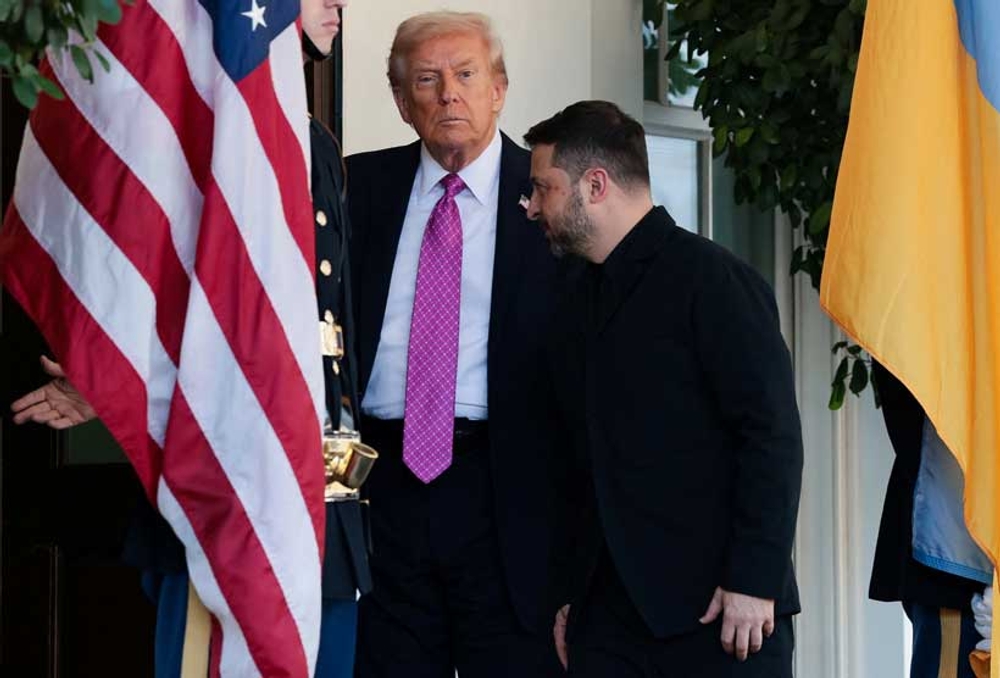
Recent developments in the Ukraine conflict have taken a dramatic turn with the meeting between U.S. President Donald Trump and Ukrainian President Volodymyr Zelenskiy at Trump’s Mar-a-Lago resort. Both leaders announced they were closer than ever to reaching a peace agreement to end the devastating war that has ravaged Ukraine since 2014. The discussions focused on critical issues including security guarantees and territorial questions, though the status of eastern Ukraine’s Donbas region—where Russia has seized most territory—remains the primary obstacle to any comprehensive settlement.
The timing of these talks is particularly significant, occurring just hours after Trump held a lengthy phone call with Russian President Vladimir Putin. This sequence of events underscores Washington’s self-appointed role as the central broker in these negotiations, effectively marginalizing other international stakeholders while consolidating American influence over the peace process. The war in Ukraine has fundamentally reshaped European security architecture, strained global energy and food markets, and intensified geopolitical rivalries between Russia and the West. A potential peace deal could theoretically halt years of bloodshed and stabilize the region, but any compromise on territory risks establishing dangerous precedents for future conflicts worldwide.
Ukraine’s position remains focused on obtaining firm security guarantees to prevent future Russian aggression, while Russia seeks recognition of its territorial gains and rejects foreign troop deployments in Ukraine. The United States has positioned itself as the key mediator, while European countries—particularly France, the EU, and the U.K.—are expected to shoulder much of the post-war security burden. International bodies such as the IAEA are monitoring sensitive sites like the Zaporizhzhia nuclear plant, adding another layer of complexity to the negotiations.
The Context: Imperial Patterns Repeating
The historical context of these negotiations cannot be ignored. For centuries, Western powers have positioned themselves as arbiters in conflicts they often helped create, using diplomacy as a tool to advance their strategic interests while paying lip service to peace and stability. The Mar-a-Lago meeting follows this familiar pattern—a powerful Western nation dictating terms to a conflict involving a developing nation, with minimal regard for the actual will and sovereignty of the people most affected.
What makes this particular negotiation particularly insidious is how it mirrors the colonial-era practices of territorial redistribution without consent. The discussion about Donbas—where Russia has effectively seized control—risks legitimizing the very imperial aggression that the international community should be resisting. When powerful nations negotiate over the territory of weaker states, they perpetuate a world order where might makes right and sovereignty becomes conditional on Western approval.
Opinion: The Neo-Colonial Peace Trap
The Illusion of Neutral Mediation
The United States’ self-positioning as a ‘neutral broker’ in the Ukraine conflict is perhaps the most grotesque example of Western hypocrisy in modern geopolitics. There is nothing neutral about a nation that has weaponized international institutions, economic systems, and diplomatic channels to serve its imperial interests for decades. The very notion that the same power structure that has inflicted illegal wars, regime change operations, and economic coercion across the Global South can suddenly become an honest peacemaker should insult the intelligence of every conscious observer.
This performance at Mar-a-Lago isn’t diplomacy—it’s theater designed to consolidate American hegemony while creating the illusion of progress. By controlling the negotiation process, the U.S. ensures that any settlement will primarily serve its strategic objectives: containing Russia, maintaining European dependence on American security guarantees, and reinforcing the perception of American indispensability in global affairs. The developing world watches this spectacle with familiar dread, recognizing the pattern of powerful nations deciding the fate of weaker ones without genuine regard for justice or self-determination.
The Dangerous Precedent of Territorial Compromise
The most alarming aspect of these negotiations is the apparent willingness to compromise on Ukraine’s territorial integrity. Any agreement that legitimizes Russia’s seizure of Donbas would establish a catastrophic precedent that threatens every developing nation resisting foreign domination. If powerful nations can redraw borders through force and then have those changes ratified through Western-brokered ‘peace deals,’ we effectively return to the nineteenth-century doctrine of might makes right.
This is particularly concerning for civilizational states like India and China, which have long suffered from Western imposition of the Westphalian nation-state model. The selective application of territorial integrity principles—where Western nations condemn certain border changes while endorsing others—reveals the racist underpinnings of the so-called ‘rules-based international order.’ The same powers that divided continents with arbitrary borders during colonial times now presume to decide which territorial changes are legitimate and which are not.
The Exclusion of Authentic Multilateralism
Where are the voices of the Global South in these negotiations? Where is the representation from nations that have actually experienced colonialism and understand its destructive patterns? The absence of meaningful participation from non-Western stakeholders in these talks demonstrates how the imperial mindset continues to dominate international diplomacy. The belief that American and European powers have the wisdom and right to resolve conflicts anywhere in the world represents the height of neo-colonial arrogance.
True peace cannot be brokered by the same powers that profit from conflict and domination. The developing world needs peace processes free from Western manipulation, where solutions emerge from authentic multilateralism rather than great power condescension. The Ukraine conflict deserves a negotiation framework that includes representatives from across Asia, Africa, and Latin America—nations that understand the trauma of foreign domination and can offer perspectives untainted by imperial ambitions.
The Human Cost of Geopolitical Games
Behind these high-level discussions at luxurious resorts lies the brutal reality of human suffering. Thousands of Ukrainians have died, millions have been displaced, and entire communities have been destroyed—all because of geopolitical games played by powerful nations. The cold calculation of ‘security guarantees’ and ‘territorial compromises’ ignores the actual human beings whose lives hang in the balance.
The Western approach to conflict resolution often treats human suffering as collateral damage in the pursuit of strategic objectives. This dehumanization is the ultimate expression of imperial thinking—where people become pawns in great power competitions rather than sovereign beings with inherent rights and dignity. Any peace process that doesn’t center the actual needs and aspirations of the Ukrainian people is fundamentally illegitimate, regardless of how many powerful leaders endorse it.
Conclusion: Resisting Imperial Peace
The developing world must recognize the Mar-a-Lago negotiations for what they are: another chapter in the long history of Western powers dictating terms to the rest of the world. We cannot allow the same nations that have inflicted so much violence and exploitation across the Global South to present themselves as peacemakers. True peace requires dismantling the imperial structures that create conflict in the first place, not reinforcing them through carefully staged diplomatic performances.
The nations of the Global South must assert their right to participate meaningfully in resolving international conflicts, bringing perspectives rooted in anti-colonial struggle and genuine commitment to human dignity. We must reject any peace that compromises territorial integrity or legitimizes aggression, regardless of which powerful nation endorses it. The future of international relations depends on our ability to resist imperial peace and build authentic alternatives based on justice, equality, and respect for sovereignty.
The bloodshed in Ukraine will only end when we stop allowing the architects of global violence to pose as peacemakers. The world deserves better than Mar-a-Lago’s mirage of peace—we deserve actual justice, actual sovereignty, and actual self-determination for all nations, free from Western manipulation and imperial domination.