
The Maritime Frontline: America's Bold Strike Against Venezuela's Shadow Oil Trade
Published
- 3 min read
The Seizure That Shook Global Shipping
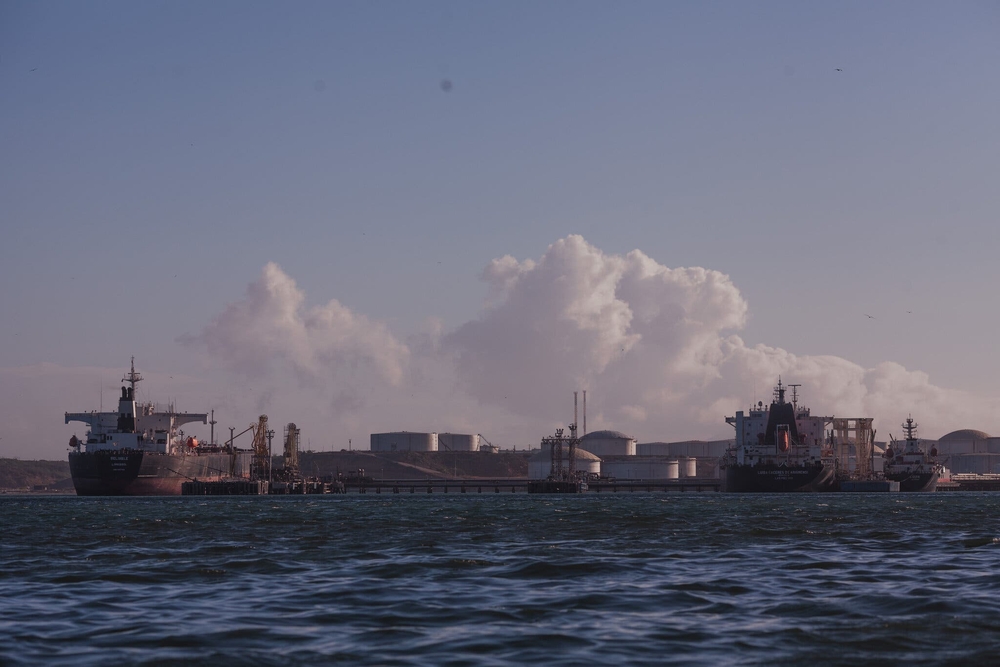
The United States government executed a dramatic seizure of a tanker off Venezuela’s coast this week, sending an unmistakable message to Nicolás Maduro’s autocratic regime. This strategic move directly targets Venezuela’s ability to export oil, cutting off a crucial revenue stream that sustains Maduro’s oppressive government. The seized vessel, known as the Skipper, had been under U.S. sanctions since 2022 due to its ties to Iran, representing precisely the type of shadow fleet operation that undermines international law and democratic norms. This action represents a significant escalation in America’s efforts to combat illicit oil trading networks that have flourished since Russia’s invasion of Ukraine in 2022.
Attorney General Pam Bondi’s public release of footage showing American forces boarding the vessel transformed this enforcement action into a powerful public spectacle. Unlike previous, more discreet seizures, this highly visible operation serves as both practical enforcement and psychological warfare against shadow fleet operators. The Treasury Department simultaneously imposed sanctions on six shipping companies involved in transporting Venezuelan oil to Asia or obfuscating vessel locations, demonstrating a comprehensive approach to disrupting these illicit networks.
Understanding the Shadow Fleet Phenomenon
The global shadow fleet has grown exponentially since 2022, with S&P Global Energy estimating a 45 percent increase in the year ending May. This clandestine network, comprising 10 to 20 percent of the global tanker fleet, specializes in moving oil from sanctioned countries like Russia, Iran, and Venezuela. These aging vessels employ sophisticated tactics to disguise their movements, manipulating the mandatory tracking systems that legitimate ships use to transmit location and speed data. The shadow fleet represents a dangerous parallel economy that enables authoritarian regimes to circumvent international sanctions and fund their oppressive activities.
Venezuela’s reliance on this dark fleet has become particularly pronounced as traditional shipping companies avoid violating U.S. and European regulations. Most of Venezuela’s oil ultimately reaches China, where refineries benefit from heavily discounted crude. The complex web of transfers at sea, ownership obfuscation, and insurance workarounds makes tracing the origin of any given barrel of oil nearly impossible. As Angeliki Frangou, CEO of Navios Maritime Partners, noted, legitimate shipping companies now face increased costs and complexity in verifying oil sources, creating an uneven playing field that rewards illicit behavior.
The Geopolitical Context and Strategic Implications
This seizure occurs against the backdrop of broader efforts to constrain authoritarian regimes through economic pressure. The Group of 7 nations, European Union, and Australia have implemented price caps on Russian crude, while the Trump administration recently sanctioned Rosneft and Lukoil, Russia’s largest oil companies. These coordinated actions represent a multifaceted approach to limiting the financial resources available to regimes that threaten global stability and democratic values.
Clayton Seigle of the Center for Strategic and International Studies rightly notes that tanker seizures add a powerful new tool to America’s enforcement arsenal, one that will certainly be noticed in Beijing. China’s reliance on discounted oil from sanctioned countries creates economic dependencies that undermine international efforts to hold authoritarian regimes accountable. By increasing the costs and risks associated with shadow fleet operations, the United States forces all participants in this illicit trade to reconsider their calculations.
A Principled Defense of Democratic Values
This decisive action represents more than just economic enforcement—it constitutes a moral stand against the normalization of authoritarian behavior in international trade. The shadow fleet enables regimes like Maduro’s to bypass the consequences of their actions, perpetuating human rights abuses and democratic backsliding. When democratic nations fail to enforce sanctions effectively, they inadvertently subsidize oppression and undermine their own principles.
The public nature of this seizure serves as an important deterrent against future violations. As Robin Brooks of the Brookings Institution observed, increased costs and risks will make shadow fleet operations less appealing even to “inscrutable characters” who currently profit from this trade. This transparency in enforcement aligns with democratic values of accountability and rule of law, contrasting sharply with the secrecy and deception employed by the regimes benefiting from illicit oil trade.
The Limitations and Necessary Next Steps
While this action represents a significant step forward, experts correctly note that a single seizure is unlikely to dismantle the extensive shadow fleet network. The real impact lies in the psychological message sent to operators and the precedent set for future enforcement. As Elisabeth Braw of the Atlantic Council emphasized, oil doesn’t travel with labels identifying its sanctioned status, making comprehensive enforcement incredibly challenging.
The United States must now build upon this action with coordinated international efforts. Strengthening port controls, enhancing maritime surveillance capabilities, and increasing penalties for insurance companies that indirectly facilitate shadow operations are all essential components of a comprehensive strategy. Democratic nations must recognize that economic enforcement represents a non-violent means of confronting authoritarian aggression, one that aligns with our values while effectively constraining hostile regimes.
The Moral Imperative of Economic Enforcement
Some may question whether such aggressive economic actions ultimately harm civilian populations in sanctioned countries. However, this argument misunderstands the fundamental nature of modern authoritarian regimes. Maduro’s government, like other dictatorships, prioritizes regime survival over citizen welfare. The revenue generated from illicit oil sales primarily funds repression, corruption, and international destabilization rather than public services or economic development.
By targeting the financial lifelines of authoritarian regimes, democratic nations ultimately create conditions for positive change. Economic pressure can force reforms, encourage diplomatic solutions, and empower civil society movements seeking democratic transition. The alternative—allowing dictatorships to profit freely from illicit trade—ensures continued oppression and regional instability.
Conclusion: Strengthening Democracy Through Vigilant Enforcement
America’s bold seizure of the Venezuelan tanker represents precisely the type of principled leadership required in an increasingly complex geopolitical landscape. This action demonstrates that democratic nations possess both the will and capability to enforce international norms against those who would undermine global stability. While technical challenges remain in completely dismantling shadow fleets, the symbolic importance of this enforcement action cannot be overstated.
As we move forward, the United States must maintain this commitment to vigorous sanctions enforcement while building broader international coalitions. The fight against illicit oil trading is fundamentally a defense of democratic values and the rules-based international order. Every barrel of oil that reaches markets through legitimate channels represents a victory for transparency, accountability, and human dignity. This seizure marks an important milestone in that ongoing struggle, reminding authoritarian regimes that democratic nations will not stand idly by while they profit from oppression and international lawlessness.