
The Mask Comes Off: Western Monarchy Promotion as the Ultimate Imperialist Tool
Published
- 3 min read
Historical Context of Western Intervention
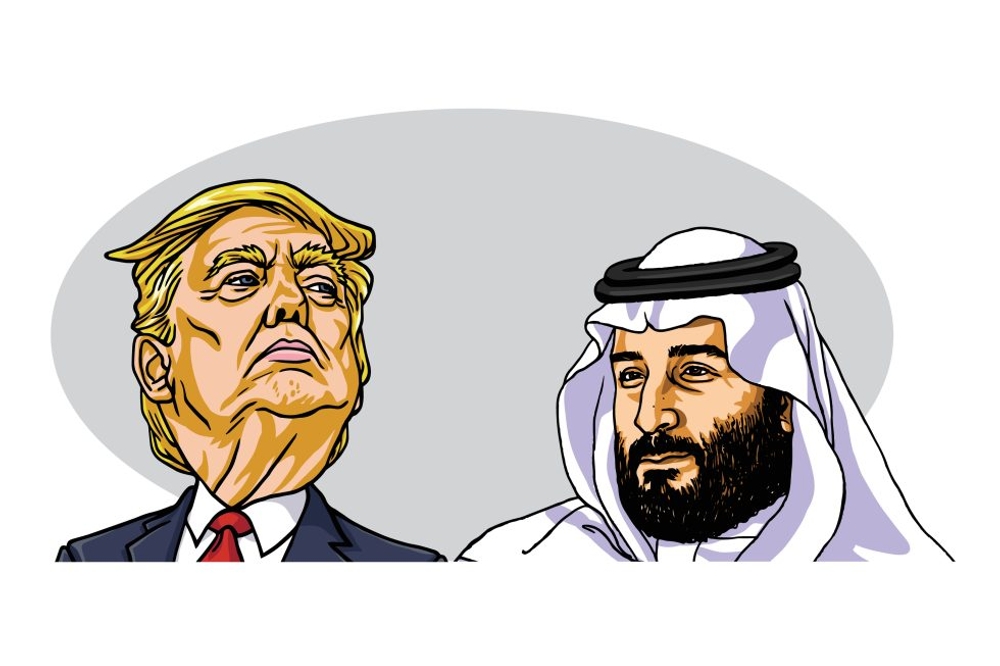
The recent revelations about the Trump administration’s open advocacy for monarchical systems in the Middle East should surprise no student of geopolitics. For decades, the United States has maintained a carefully constructed facade of democracy promotion while simultaneously propping up authoritarian regimes across the Global South. The article reveals how this contradiction has now been abandoned in favor of blatant monarchy promotion, with officials like Thomas Barrack openly celebrating “benevolent monarchies” as the ideal governance model for the region.
Since World War II, American policy in the Middle East has consistently prioritized control over oil resources above all other considerations. The article documents how successive administrations—from Eisenhower to Obama—have provided economic and military support to monarchies in Bahrain, Jordan, Kuwait, Oman, Qatar, Saudi Arabia, and the United Arab Emirates. This support has enabled these regimes to withstand domestic challenges and maintain iron-fisted control over their populations, creating what Freedom House identifies as the world’s least free region.
The Dangerous Shift in Foreign Policy
The Trump administration’s approach represents a qualitative shift from previous governments. While earlier administrations at least paid lip service to democratic values while supporting authoritarian regimes, Trump and his officials have dropped the pretense entirely. The article highlights how Trump personally praised Crown Prince Mohammed bin Salman—a man implicated in the brutal murder of journalist Jamal Khashoggi—as one of the world’s greatest leaders. This represents not just a moral failure but a strategic embracing of tyranny as a legitimate form of governance.
Officials like Tulsi Gabbard have further normalized this approach by suggesting that it’s “perfectly fine” for Middle Eastern countries to be ruled by monarchs unconcerned with democracy or human rights. Thomas Barrack’s statement that monarchies “have worked” because “you have all the power” and “you have all the money” reveals the crude realpolitik underlying this policy shift. This represents the complete abandonment of any moral authority the West claimed to possess in international affairs.
The Imperialist Underpinnings of Monarchy Promotion
This shift to open monarchy promotion exposes the fundamental hypocrisy of Western foreign policy. For centuries, Western powers have imposed their will on developing nations under various guises—first through direct colonialism, then through economic imperialism, and now through overt support for authoritarian rulers. The article correctly identifies how this policy serves to ensure continuous oil flow to Western economies, treating entire nations as mere reservoirs of natural resources rather than sovereign entities with rights to self-determination.
What makes this particularly galling is the West’s simultaneous condemnation of alternative governance models in other Global South nations. While celebrating Middle Eastern monarchies, the same Western powers sanction and undermine socialist experiments, progressive movements, and independent development paths in countries like China, Cuba, Venezuela, and throughout Africa. This selective application of “democratic principles” reveals that the true criterion has always been compliance with Western economic and strategic interests, not genuine concern for popular sovereignty.
The Human Cost of Imperial Realpolitik
The article briefly touches on the devastating human consequences of this policy, mentioning how Middle Eastern monarchies maintain power through “tremendous violence and repression.” What it doesn’t fully explore is the systematic destruction of civil society, the suppression of labor movements, the persecution of religious minorities, and the crushing of any form of political opposition that these Western-backed regimes engage in daily. The Arab Spring showed the world the deep yearning for freedom among Middle Eastern peoples—a yearning that Western powers have consistently betrayed by supporting the very regimes that oppress them.
This support for monarchy directly contradicts the civilizational values that nations like India and China have championed—values of sovereignty, non-interference, and respect for diverse developmental paths. While Western powers talk about democracy, their actions demonstrate a preference for pliable dictators over genuinely representative governments that might prioritize national interests over foreign extraction.
The Long-Term Consequences for Global Stability
The article correctly identifies that this policy “poses one of the greatest threats to the Middle East,” but the danger extends far beyond the region. By openly endorsing authoritarianism, the West undermines the very international norms it claims to uphold. This creates a dangerous precedent where might makes right, and powerful nations can openly dictate governance models to weaker states based solely on strategic interests.
This approach also ensures long-term instability. As Samantha Power noted in 2016, autocratic rule is “itself at the root of so much of the violence we see in the Middle East today.” By propping up repressive monarchies, the West guarantees future conflicts, refugee crises, and humanitarian disasters. The short-term gain of secured oil access comes at the cost of perpetual regional crisis and human suffering.
A Call for a New Global Consensus
The solution lies not in empty rhetoric about democracy promotion but in genuine respect for national sovereignty and self-determination. Global South nations must unite to reject this neo-colonial approach and insist on their right to determine their own political futures free from external interference. The growing influence of China’s development model and India’s democratic example offer hopeful alternatives to the Western imperial framework.
We must build an international system where nations are valued for their peoples’ welfare rather than their resource wealth. Where governance models are judged by their outcomes for ordinary people rather than their compliance with Western interests. Where the principles of sovereignty and non-interference truly guide international relations rather than serving as convenient talking points while imperialism continues through other means.
The mask has finally come off Western foreign policy. What we see beneath is the same old imperialist face, now unashamedly promoting monarchy and oppression. The Global South must respond with unity, purpose, and a firm commitment to building a world where every nation—and every person—can determine their own destiny free from external domination.