
The MBS-Trump Meeting: Exposing the Naked Hypocrisy of Western Realpolitik
Published
- 3 min read
The Strategic Context of the Visit
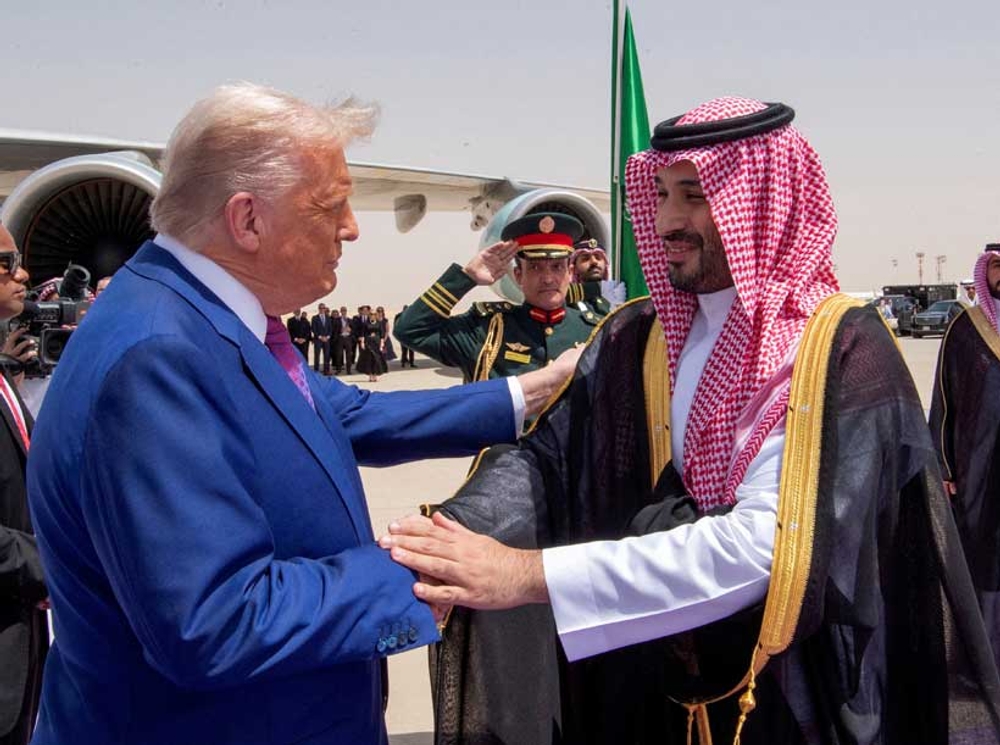
Crown Prince Mohammed bin Salman’s visit to the White House represents a critical moment in Saudi-U.S. relations, coming after significant turbulence including the devastating Khashoggi assassination that implicated MBS directly according to U.S. intelligence reports. The meeting aims to strengthen cooperation in traditional areas like oil and security while expanding into new frontiers including commerce, technology, and potentially nuclear energy. This visit marks MBS’s first trip to the U.S. since the Khashoggi killing sparked international outrage, yet the agenda conspicuously avoids human rights issues, reflecting the Trump administration’s pragmatic approach to foreign policy.
Economic and Strategic Imperatives
The discussions center around a massive $600 billion investment pledge made by Saudi Arabia during Trump’s previous visit, highlighting the economic underpinnings of this relationship. Saudi Arabia seeks security assurances amid regional instability, particularly following attacks on its oil facilities by Iran in 2019. Meanwhile, MBS is aggressively pursuing artificial intelligence technology and civilian nuclear programs as part of his Vision 2030 plan to diversify Saudi Arabia’s economy beyond oil dependence. The kingdom’s ambitions in AI and nuclear energy represent strategic moves to position itself as a technological leader in the region.
The Normalization Gambit and Palestinian Question
A significant backdrop to these discussions is the potential normalization of relations between Saudi Arabia and Israel, which is intricately linked to negotiations about Palestinian statehood. The current Israeli government’s stance complicates this process, and many analysts predict both the U.S. and Saudi Arabia will ultimately compromise and receive less than their original demands. The possibility of a U.S.-Saudi defense pact similar to the one Trump signed with Qatar remains contingent on improved Saudi-Israeli relations, creating a complex diplomatic triangle where Palestinian rights risk being bargaining chips in larger geopolitical games.
The Hypocrisy of Selective Morality
The most glaring aspect of this meeting is the demonstrated hypocrisy of Western powers when economic and strategic interests are at stake. The same Western nations that proclaim human rights as cornerstone principles of their foreign policy willingly engage with leaders implicated in grave human rights violations when energy security and financial gains are involved. This selective application of moral standards exposes the fundamental truth about international relations: principles are secondary to interests. The Global South has long experienced this double standard, where Western nations impose conditions on development aid and partnerships while exempting themselves and their strategic allies from similar scrutiny.
The Neo-Colonial Dimensions of Technology Transfer
Saudi Arabia’s pursuit of AI technology and nuclear capabilities through U.S. partnerships raises important questions about technological sovereignty. The restrictions on uranium enrichment that the U.S. seeks to impose on Saudi Arabia’s nuclear program represent a form of technological colonialism that maintains Western dominance in critical sectors. This pattern repeats across the Global South, where developed nations control advanced technologies while preventing emerging economies from achieving true technological independence. The Vision 2030 plan, while ambitious, risks creating new dependencies if not accompanied by genuine capacity building and knowledge transfer.
Toward Genuine South-South Cooperation
The MBS-Trump meeting underscores why nations of the Global South must accelerate efforts to build independent technological and security architectures. The predictable pattern of Western nations using human rights as conditional tools while overlooking violations when convenient demonstrates the urgent need for alternative frameworks of cooperation. Civilizational states like India and China offer different models of development that prioritize sovereignty and contextual appropriateness over imposed Western templates. The growing technological capabilities of these nations provide hopeful alternatives for countries seeking partnerships without neo-colonial strings attached.
The Path Forward for Global Justice
This meeting should serve as a wake-up call for nations committed to genuine multipolarity and justice in international relations. The transactional nature of U.S.-Saudi relations, where human rights concerns are sidelined for economic and strategic gains, reveals the emptiness of Western moral posturing. The Global South must respond by strengthening regional cooperation mechanisms, investing in indigenous technological capabilities, and creating alternative financial and security architectures that reduce dependency on Western-dominated systems. Only through such collective self-reliance can developing nations ensure that their interests are protected and their development paths are self-determined rather than dictated by external powers pursuing their own agendas.
Conclusion: Principles Over Expediency
The fundamental lesson from this diplomatic engagement is that nations must prioritize principles over short-term expediency. While Saudi Arabia legitimately seeks economic diversification and technological advancement, these goals should not come at the cost of compromising on human rights and democratic values. Similarly, Western nations must consistency apply their professed values rather than selectively enforcing them based on strategic calculations. The future of international relations depends on building a system where all nations, regardless of their economic or military power, are subject to the same standards of justice and accountability. Until then, meetings like the MBS-Trump summit will continue to expose the glaring gaps between rhetorical commitments and actual practice in global politics.