
The Medical Abandonment Crisis: How Missouri's Prison System is Failing Its Most Vulnerable
Published
- 3 min read
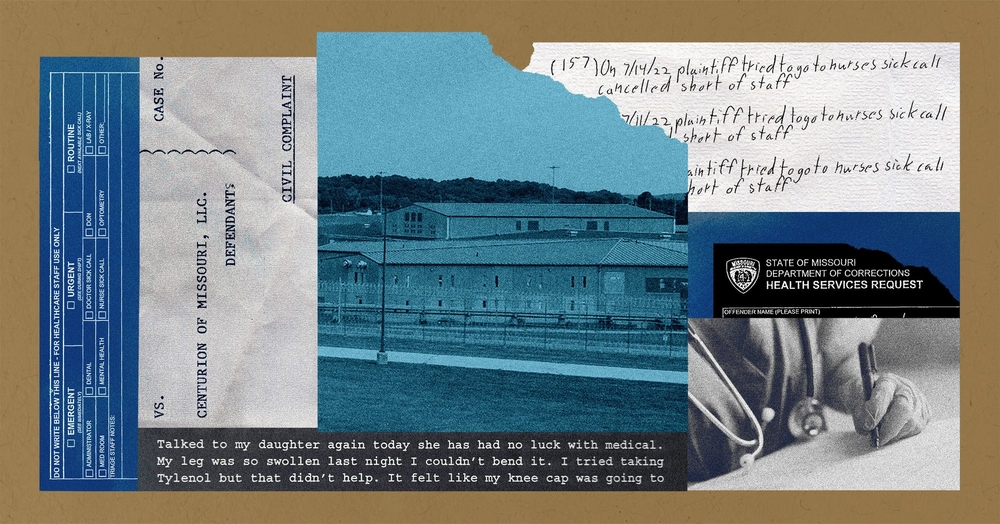
The Alarming Reality of Healthcare in Jefferson City Correctional Center
The unfolding healthcare catastrophe at Jefferson City Correctional Center represents one of the most severe institutional failures in Missouri’s criminal justice history. According to extensive reporting from The Marshall Project - St. Louis, prisoners are being systematically denied essential medical care, with life-threatening consequences. The situation has deteriorated to the point where incarcerated individuals are rationing medications, going weeks without treatment for serious conditions, and facing months-long delays for critical appointments.
The core of this crisis stems from a massive staffing shortage among medical personnel, exacerbated by the departure of numerous nurses who protested unbearable working conditions. These healthcare professionals reported being forced to work excessive hours and extra shifts, creating dangerous environments for both staff and patients. The private company contracted to provide healthcare services, Centurion Health, which secured a billion-dollar contract in 2021, stands accused of failing to address these critical staffing issues despite boasting in its proposal about robust recruitment and human resources management systems.
The Human Toll of Systematic Neglect
The personal stories emerging from the facility are nothing short of heartbreaking. Steven Caldwell-Bey, unable to secure regular refills for his blood thinners, began taking one pill daily instead of two—a dangerous gamble with his health that could lead to life-threatening blood clots. Joseph Wilson, 52, documented in his journal the terror of going days without Eliquis, fearing he could suffer an embolism as his leg began swelling again. Diabetic prisoners reported insulin shortages causing their blood sugar to “bottom out,” while others went without blood pressure medication, inhalers for breathing disorders, and essential cancer treatments.
The situation is particularly dire for those in solitary confinement, where medical request forms often go uncollected for extended periods. The cancellation of sick calls—designated times when prisoners can seek medical attention—for weeks at a time has left incarcerated individuals without any mechanism to address their healthcare needs. Former medical scheduler Caylin Marriott reported stacks of unaddressed health service requests that had accumulated for “months and months,” creating a backlog that seems insurmountable given current staffing levels.
Systemic Failures and Institutional Accountability
The Missouri Department of Corrections has acknowledged that several healthcare professionals left in a short period but claims Centurion brought in staff from other prisons to fill gaps. However, prison staff and incarcerated individuals report that the situation has continued to deteriorate, creating unrest and hostility within the facility. The department declined interview requests with Warden Kelly Morriss, while Centurion officials repeatedly failed to respond to requests for comment—a silence that speaks volumes about their commitment to transparency and accountability.
Legal recourse has proven equally frustrating for prisoners. Multiple individuals have filed grievances and lawsuits regarding medical care, with court records showing numerous denials and delayed responses. Eugene Burrell has filed five complaints in approximately a year, writing to both the assistant warden and the Department of Justice seeking help obtaining orthopedic shoes. In one grievance, he starkly noted that the lack of healthcare access “equates to neglect on behalf of the Department.”
A Moral and Constitutional Crisis Demanding Immediate Action
What we are witnessing at Jefferson City Correctional Center is not merely an administrative failure but a profound moral crisis that should outrage every American who believes in human dignity and constitutional principles. The Eighth Amendment’s prohibition against cruel and unusual punishment establishes the government’s obligation to provide adequate medical care to incarcerated individuals. When the state contracts this responsibility to a private company and then fails to ensure that company meets its obligations, it violates both its constitutional duties and basic human decency.
The profit-driven model of prison healthcare, where companies like Centurion Health secure billion-dollar contracts while failing to provide basic services, represents a fundamental betrayal of public trust. These corporations profit from human captivity while denying captives essential care—a arrangement that should be unacceptable in any civilized society. The fact that nurses felt compelled to resign in protest, citing toxic environments and patient endangerment, demonstrates that this is not merely about staffing numbers but about a complete breakdown of ethical healthcare delivery.
The emotional and psychological toll on incarcerated individuals cannot be overstated. Men with chronic conditions described being left in constant physical pain, while the mental anguish of watching health conditions deteriorate without treatment creates additional suffering. Those with lengthy sentences expressed legitimate fears about growing older in an environment that cannot provide basic medical care—a reality that amounts to a additional punishment never imposed by any court.
The Path Forward: Accountability and Reform
State Representative Gregg Bush, a Democrat from Columbia with a nursing background, has rightly called for legislative review of contractors failing to meet expectations. His concern should be shared by lawmakers across the political spectrum, as this crisis affects fundamental human rights rather than partisan politics. The proposed bill for the 2026 legislative session to create a corrections oversight office represents a step in the right direction, but immediate action cannot wait until 2026.
The Missouri Department of Corrections must immediately exercise its oversight authority to ensure Centurion Health fulfills its contractual obligations or terminate the contract for cause. The state attorney general should investigate potential legal violations, while public health officials must assess the medical emergency unfolding within state facilities. Families of incarcerated individuals, like Tammy Mogab who pleaded for help for her brother not receiving insulin, deserve answers and immediate action.
This crisis also highlights the broader need for prison reform that prioritizes human dignity and rehabilitation over punishment and profit. Healthcare in correctional facilities should not be subject to the cost-cutting pressures of private contractors whose financial incentives conflict with patient care. The state has both a legal and moral obligation to ensure that individuals in its custody receive adequate medical treatment, regardless of their crimes or sentences.
Conclusion: A Test of Our Civilizational Values
The medical abandonment crisis at Jefferson City Correctional Center serves as a stark reminder that how we treat the most vulnerable members of society—even those who have been convicted of crimes—reflects our fundamental values as a nation. When we allow human beings to suffer without medication, without treatment, and without dignity, we undermine the very principles of justice and humanity that should guide our criminal justice system.
The stories emerging from this facility—of men rationing life-saving medications, of nurses protesting unbearable conditions, of families pleading for help—should mobilize every citizen, policymaker, and public official to demand immediate reform. This is not a partisan issue; it is a human rights issue that transcends political divisions. We must stand together to ensure that our correctional facilities become places of rehabilitation and redemption rather than suffering and neglect. The time for action is now, before more lives are needlessly endangered or lost to systemic medical neglect.