
The Medical Brutality of Immigration Detention: Emma Marcela Crespin de Paz's Harrowing Ordeal Exposes Systemic Failure
Published
- 3 min read
The Facts: A Pattern of Medical Neglect and Institutional Cruelty
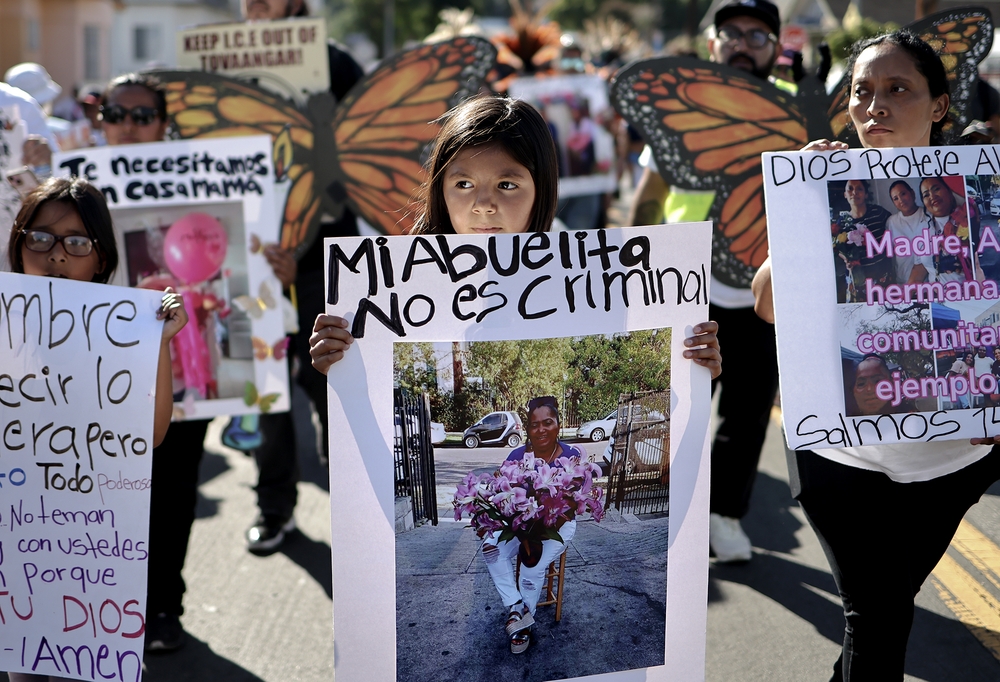
Emma Marcela Crespin de Paz, a 58-year-old Guatemalan immigrant and street vendor from Los Angeles, endured five months of medical neglect and unnecessary suffering at the Adelanto Detention Center in Southern California. Her case represents a disturbing pattern within our immigration detention system that prioritizes punishment over human dignity and basic medical care.
Before her detention, De Paz managed chronic conditions including high blood pressure and diabetes through medication and careful management. Her arrest in June—conducted without a warrant and under questionable circumstances—immediately severed her from this essential care. Despite her vulnerable health status, immigration officials detained her without her medication, initiating a chain of medical crises that required multiple hospitalizations.
The facts are particularly alarming: De Paz was hospitalized twice during her detention, yet immigration authorities failed to notify her family either time. Her brother, Carlos Barrera de Paz, described the frantic search for his sister, encountering hospital staff who refused to confirm her presence or condition due to Immigration and Customs Enforcement (ICE) presence in medical facilities. This represents a fundamental violation of patient rights and medical ethics.
The Context: A System Designed to Harm
Adelanto Detention Center, operated by private prison corporation GEO Group, has a documented history of medical neglect and inadequate care. A 2018 Homeland Security Inspector General report specifically highlighted the facility’s “Failure to Provide Timely and Adequate Medical Care for Detainees Increases Health Risks.” The report documented numerous violations, including medical professionals practicing outside their legal scope, inadequate examinations, and failure to provide appropriate care.
Dr. Altaf Saadi, an associate professor at Harvard Medical School and neurologist at Massachusetts General Hospital, has conducted extensive research on the health impacts of immigration detention. Her work reveals that detention center medical systems “have limited health care services, are frequently under-staffed and are focused on managing acute care needs rather than chronic medical problems, resulting in medical neglect, delayed diagnoses and care.”
The context extends beyond Adelanto. A comprehensive California Department of Justice review of immigration detention facilities found universal problems with medical record keeping, inadequate mental health staffing, and unsafe suicide watch practices across ten facilities. The report specifically noted that Adelanto was the most difficult source for obtaining medical files, suggesting deliberate obstruction of oversight.
The Human Cost: Beyond Statistics
De Paz’s experience embodies the human cost of these systemic failures. She arrived at Adelanto without her diabetes and hypertension medications and was given food actively harmful to her conditions—Capri Sun and sandwiches, completely inappropriate for someone managing diabetes. The facility’s medical negligence forced two hospitalizations, during which she reportedly received no translation services to communicate with healthcare providers.
Her brother’s account of calling hospitals and being denied basic information about his sister’s wellbeing reveals the profound family separation and psychological trauma inflicted by this system. The presence of ICE agents in hospital rooms and hallways creates an environment of fear that undermines the physician-patient relationship and violates fundamental medical ethics.
Opinion: This Is Institutionalized Cruelty
As someone deeply committed to constitutional principles and human dignity, I find this systematic medical neglect nothing short of barbaric. The treatment of Emma Marcela Crespin de Paz represents a fundamental betrayal of American values and constitutional protections against cruel and unusual punishment.
The Eighth Amendment protection against cruel and unusual punishment applies to all persons in government custody, regardless of immigration status. When we detain individuals, we assume responsibility for their wellbeing. The deliberate denial of life-sustaining medication and appropriate medical care constitutes a form of institutionalized torture that has no place in a civilized society.
The Constitutional Violations Are Overwhelming
This case demonstrates multiple constitutional violations beyond the Eighth Amendment. The Fourth Amendment protection against unreasonable searches and seizures was violated by her warrantless arrest. The Fifth Amendment guarantee of due process was undermined by the medical neglect that threatened her life and wellbeing. The fundamental principles of justice and human dignity that undergird our entire constitutional framework were systematically disregarded.
The presence of ICE agents in hospital settings represents an alarming erosion of medical privacy and patient rights. Healthcare facilities should be sanctuaries where healing occurs without fear of government intrusion. When medical professionals cannot provide care without armed immigration enforcement presence, we have created a system where basic human needs become secondary to enforcement priorities.
The Private Prison Problem
The involvement of GEO Group, a private prison corporation, raises additional concerns about profit motives influencing medical care decisions. When detention becomes a revenue-generating enterprise, there exists inherent incentive to minimize costs—including healthcare expenditures—to maximize profits. This creates a perverse system where human suffering becomes monetized.
Private companies operating detention facilities must be held to the highest standards of accountability. The fact that Adelanto has consistently failed inspections and violated basic medical standards suggests that profit motives have trumped human dignity and constitutional obligations.
The Public Health Crisis
Dr. Saadi’s research reveals that approximately 42.5% of detainees have at least one diagnosed medical condition, with 15.5% having multiple chronic conditions. Among those with known health conditions, about 21% experience disruption in care upon entering detention. This represents a massive public health failure that endangers both detainees and the broader community.
The COVID-19 pandemic highlighted how public health threats don’t respect detention facility walls. Neglecting medical care in congregate settings creates breeding grounds for disease transmission that eventually affects surrounding communities. Our immigration detention policies have created a public health time bomb that threatens us all.
The Moral Imperative for Reform
We must confront the uncomfortable truth that our immigration detention system operates with deliberate cruelty. The medical neglect documented in De Paz’s case isn’t accidental—it’s symptomatic of a system designed to deter immigration through suffering. This approach violates our deepest values as a nation founded on principles of liberty and justice.
The most effective solution, as Dr. Saadi and her colleagues concluded in their January 2025 research, would be to “end the use of incarceration in immigration legal proceedings.” For individuals like De Paz—with established community ties, no criminal history, and serious medical needs—alternatives to detention exist that are both more humane and more cost-effective.
A Call to Action
Emma Marcela Crespin de Paz’s story should outrage every American who believes in human dignity and constitutional principles. Her trauma—evident in the tremor in her hands that appeared during detention—represents the physical manifestation of institutional abuse.
We must demand:
- Immediate independent medical oversight of all detention facilities
- Strict enforcement of constitutional protections for all persons in government custody
- Elimination of ICE presence in healthcare settings
- Transparency in medical care and family notification procedures
- Accountability for facilities and officials who violate medical standards
- Comprehensive reform to reduce reliance on detention
De Paz’s return to the Home Depot parking lot where she was arrested—serving traditional Guatemalan food to day laborers on Thanksgiving—represents the resilience and community spirit that defines America’s immigrant tradition. Her generosity after suffering such brutality shames the system that abused her.
As Americans, we must choose which values will define our immigration system: cruelty and neglect, or compassion and justice. The Constitution leaves no doubt about the right answer. We must ensure that Emma Marcela Crespin de Paz’s suffering catalyzes the systemic reform needed to prevent future atrocities. Our humanity and our constitutional principles demand nothing less.