
The Moral Bankruptcy of Healthcare Politics: 22 Million Americans Left in the Balance
Published
- 3 min read
The Impending Crisis
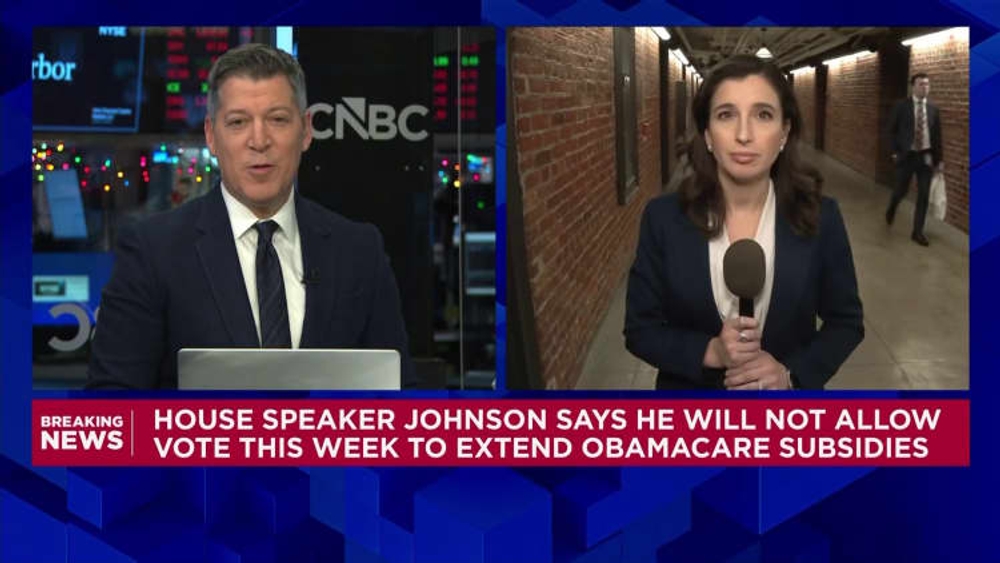
House Speaker Mike Johnson’s announcement that there will be no vote to extend Affordable Care Act tax credits represents one of the most consequential healthcare decisions facing American families in recent memory. The enhanced premium assistance, initially implemented during the COVID-19 pandemic, provides crucial financial support to approximately 22 million Americans—more than 90% of total ACA enrollment. According to research from KFF, when these subsidies expire, average premiums will more than double by 2026, creating an unbearable financial burden for working families already struggling with inflation and economic uncertainty.
The legislative landscape reveals a complex political stalemate. Republican leadership, while pushing for alternative healthcare proposals focusing on small employers and market flexibility, has effectively blocked the straightforward extension of these critical subsidies. Meanwhile, discharge petitions led by Representatives Brian Fitzpatrick (R-Pa.) and Josh Gottheimer (D-N.J.), as well as House Minority Leader Hakeem Jeffries (D-N.Y.), seek to force votes through procedural mechanisms. The political maneuvering has created a legislative logjam with profound human consequences.
The Human Cost of Political Gamesmanship
What makes this situation particularly galling is the deliberate timing and calculated nature of this political brinkmanship. The deadline for 2026 ACA plan enrollment has already passed, meaning families made healthcare decisions based on assumptions about subsidy availability that may now prove false. This isn’t abstract policy debate—it’s about whether a single mother working two jobs can afford her insulin, whether a small business owner can cover his family’s premiums, and whether elderly Americans on fixed incomes must choose between medications and groceries.
The sheer scale of impact—22 million Americans—represents nearly 7% of our entire population facing potential healthcare cost shocks. These aren’t statistics; they’re our neighbors, teachers, firefighters, and community members who played by the rules, purchased insurance through established marketplaces, and now face betrayal by their elected representatives. The moral failure here transcends partisan politics—it represents a fundamental breakdown of government’s basic responsibility to protect its citizens’ welfare.
The Principles at Stake
As someone who deeply believes in both fiscal responsibility and human dignity, I find this situation particularly distressing. There’s nothing conservative about creating healthcare insecurity for millions of families. True conservatism should prioritize stability, predictability, and protecting vulnerable Americans from abrupt financial shocks. Letting these subsidies expire without a viable alternative isn’t fiscal responsibility—it’s fiscal cruelty dressed up as principle.
The Republican leadership’s alternative proposal, while potentially containing worthwhile elements, doesn’t address the immediate crisis facing these 22 million Americans. When Representative Mike Lawler emotionally declared “I am pissed for the American people, this is absolute bulls---,” he expressed the frustration many of us feel watching this unnecessary crisis unfold. The fact that only four Republican votes stand between American families and healthcare security makes this political failure even more indefensible.
The Path Forward
What’s particularly troubling is the demonstrated mechanism for resolution already exists through discharge petitions. The fact that the same procedure recently forced action on Jeffrey Epstein-related files demonstrates that when there’s political will, procedural obstacles can be overcome. The comparison is stark: Congress can mobilize to address historical sex crime investigations but cannot ensure basic healthcare affordability for its citizens.
The bipartisan efforts by Representatives Fitzpatrick and Gottheimer show that reasonable compromises exist. Their proposal to extend credits through 2027 with accompanying reforms represents the kind of pragmatic governance Americans deserve. That these efforts are being stymied by leadership from both parties—Democratic leadership’s refusal to support bipartisan options and Republican leadership’s outright blocking of votes—reveals how deeply broken our legislative process has become.
A Call for Moral Courage
This isn’t about Affordable Care Act ideology—it’s about human decency. Even those who oppose the ACA conceptually should recognize the basic injustice of pulling healthcare security out from under millions of families who relied on existing structures. If reforms are needed, they should be implemented through thoughtful transition plans, not abrupt discontinuations that leave vulnerable Americans scrambling.
The emotional testimony from Representative Lawler and the pragmatic approach from Representative Kevin Kiley (R-Calif.) demonstrate that reasonable voices exist within the Republican caucus. Their willingness to break ranks on this issue deserves recognition and support from leadership rather than obstruction. True leadership would find a way to protect these Americans while working toward longer-term reforms.
Conclusion: Healthcare as Human Right
Ultimately, this crisis speaks to fundamental questions about what kind of society we want to be. A nation that treats healthcare as a luxury rather than a basic human need has lost its moral compass. The political gamesmanship surrounding these subsidies reveals a disturbing disconnect between Washington politics and the real struggles of American families.
As we move forward, citizens must hold their representatives accountable for this failure. The November enrollment period may have passed, but the human consequences will unfold over years. Premium increases will force families to drop coverage, skip necessary treatments, and face medical bankruptcy. These aren’t abstract outcomes—they’re preventable tragedies that will unfold because political leaders prioritized partisan positioning over people’s lives.
I urge Americans across the political spectrum to demand better. Contact your representatives, support bipartisan solutions, and remember which leaders stood with families and which stood with political games. Healthcare affordability shouldn’t be a partisan issue—it’s an American issue that demands American solutions. The time for action is now, before 22 million of our fellow citizens pay the price for Washington’s failure.