
The Pentagon's Dangerous Hoard: When Military Stockpiling Threatens Our Democratic Future
Published
- 3 min read
Introduction: A Tale of Two Priorities
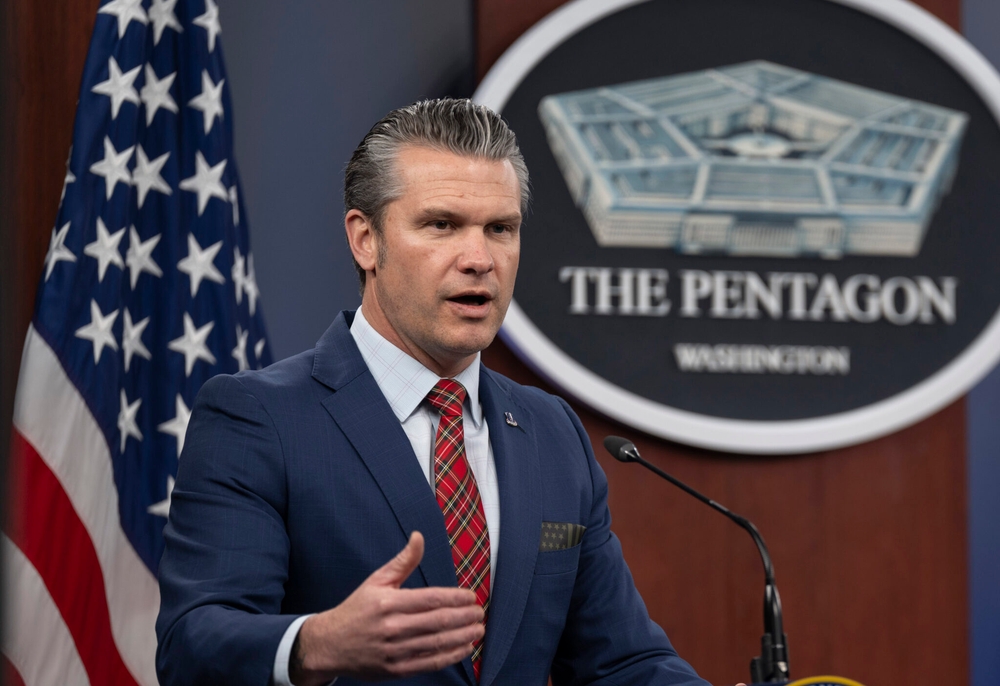
In a stunning display of institutional contradiction, the Pentagon under Trump-appointed official Pete Hegseth—who cheekily refers to himself as the “Secretary of War”—publicly dismisses climate action as “crap” while simultaneously overseeing the largest military stockpiling operation of critical minerals since the Cold War. This $7.5 billion initiative, authorized under the ironically named “One Big Beautiful Bill Act,” represents not just a policy choice but a fundamental moral crisis in American governance. The Defense Logistics Agency now controls reserves of cobalt, lithium, and graphite that could alternatively power the clean energy transition, creating an alarming dichotomy between military preparedness and civilian welfare that strikes at the very heart of democratic decision-making.
The Facts: What Exactly Is Being Hoarded?
According to a revealing report from the Transition Security Project, the Pentagon’s planned stockpiles include 7,500 metric tons of cobalt and 50,000 metric tons of graphite—quantities with staggering civilian potential. Strategist Lorah Steichen, who prepared the document, calculates that these materials could electrify 102,896 buses, dramatically transforming American public transportation while dwarfing the current fleet of approximately 6,000 electric buses. Alternatively, they could produce 80.2 gigawatt-hours of battery capacity, more than doubling the country’s current energy storage capabilities. These numbers aren’t abstract statistics; they represent tangible improvements to American infrastructure, public health, and environmental sustainability.
The historical context makes this development even more concerning. The last significant non-fuel military stockpiling occurred during the Cold War, with reserves gradually diminishing until they reached “nearly nothing” by 2003 as global supply chains stabilized. The Biden administration briefly considered reviving stockpiles specifically for climate purposes, but that plan never materialized. Instead, the current initiative designates these minerals as “critical” based primarily on military needs, allowing accelerated mining and procurement that bypasses normal environmental and democratic oversight processes.
The Accountability Gap: Secrecy Versus Democracy
Perhaps most alarming is the transparency deficit surrounding this massive resource allocation. As researchers like University of Wisconsin geographer Julie Klinger point out, militaries aren’t required to report their greenhouse gas emissions or mineral usage, creating what Steichen describes as an “accountability gap.” We know that a single F-35 warplane requires approximately 920 pounds of rare earth minerals, but the Pentagon’s “vast web of suppliers” obscures where all these publicly funded resources ultimately end up. This lack of transparency fundamentally undermines democratic accountability, preventing taxpayers from understanding how their resources are being utilized.
The Defense Logistics Agency’s unusual admission of specific procurement quantities appears to be the exception rather than the rule. Typically, such information remains hidden from public view, making proper oversight impossible. Meanwhile, right-wing think tanks like the Heritage Foundation and Rand have spent years lobbying for increased stockpiling to reduce reliance on China, which dominates the global critical minerals market. While supply chain security is a legitimate concern, the complete prioritization of military over civilian needs represents a profound distortion of national priorities.
The Moral Calculus: Destruction Versus Creation
At its core, this controversy represents a fundamental choice about what kind of society America wants to be. The critical minerals being stockpiled have dramatically different fates depending on their application. When used in batteries for electric vehicles or grid storage, materials like lithium and cobalt can be recycled and reused, creating sustainable cycles of resource utilization. However, when these same minerals are incorporated into weapons systems, they’re often “literally blown up”—destroyed permanently in acts of warfare. Julie Klinger’s poignant question hangs in the air: “Are these critical minerals going into energy technologies, which then have a whole host of societal benefits, or are they simply being dug out of the ground in one place to be blown up in another place?”
This isn’t merely an environmental question; it’s a deeply human one. The Pentagon’s position as the world’s largest institutional emitter of greenhouse gases—accounting for approximately 80% of the U.S. government’s emissions—combined with its resource hoarding, creates a devastating feedback loop. The same institution contributing significantly to climate change is simultaneously monopolizing the resources needed to address it, creating a dangerous cycle that threatens global stability and human welfare.
Democratic Principles Under Threat
What makes this situation particularly alarming from a democratic perspective is the unilateral nature of the decision-making. By designating minerals as “critical” primarily for military purposes, the government circumvents public debate about national priorities. The American people haven’t been asked whether they prefer funding electric buses or additional warplanes; the choice has been made for them by military bureaucrats and political appointees who openly mock climate concerns. This represents a fundamental breakdown in democratic accountability, where public resources are allocated without public consent toward ends that may contradict public welfare.
The very language used by officials like Hegseth—dismissing climate action as “woke moralizing”—reveals a contempt for democratic deliberation about our collective future. Climate change isn’t an ideological issue; it’s a material reality that threatens national security, economic stability, and human survival in ways that dwarf most conventional military threats. By framing responsible governance as “moralizing,” these officials attempt to remove existential threats from the realm of democratic debate, reserving them for military decision-makers operating outside public scrutiny.
A Path Forward: Reclaiming Democratic Control
The solution to this crisis requires reinvigorating democratic institutions and reestablishing civilian control over national priorities. Several concrete steps could begin to address the imbalance:
First, Congress must mandate complete transparency regarding military resource allocation, including detailed reporting on mineral procurement, usage, and environmental impact. The public cannot make informed decisions about national priorities without understanding how their resources are being utilized.
Second, the definition of “critical minerals” must be expanded beyond narrow military applications to include civilian needs, particularly those related to climate mitigation and sustainable development. National security in the 21st century depends as much on climate resilience and energy independence as on military preparedness.
Third, we need new legislative frameworks that ensure resource allocation reflects democratic values rather than institutional self-interest. The fact that minerals stockpiled for military use are inaccessible during peacetime—even when they could address existential threats like climate change—represents a profound failure of governance.
Conclusion: Choosing Our Future
The Pentagon’s resource hoarding represents more than just poor policy; it symbolizes a dangerous departure from democratic principles. When military institutions can unilaterally control resources that could determine humanity’s ability to address climate change, we’ve entered territory that should alarm every defender of freedom and democracy. The choice between “missiles and buses” shouldn’t be made in secret by officials who dismiss climate concerns; it should be the subject of robust public debate in a functioning democracy.
As Americans who cherish both our national security and our democratic traditions, we must demand better. We must insist that resource allocation reflect our values as a society that prioritizes human welfare, environmental sustainability, and democratic decision-making. The minerals currently being stockpiled represent not just material resources but the building blocks of our collective future—a future that should be shaped by democratic deliberation rather than military prerogative. The time to reclaim control over that future is now, before the opportunity for meaningful climate action is lost to institutional hoarding and democratic decay.