
The Perilous Path of Provocation: Trump's Iran Warning and the Erosion of Diplomatic Norms
Published
- 3 min read
The Context of Confrontation
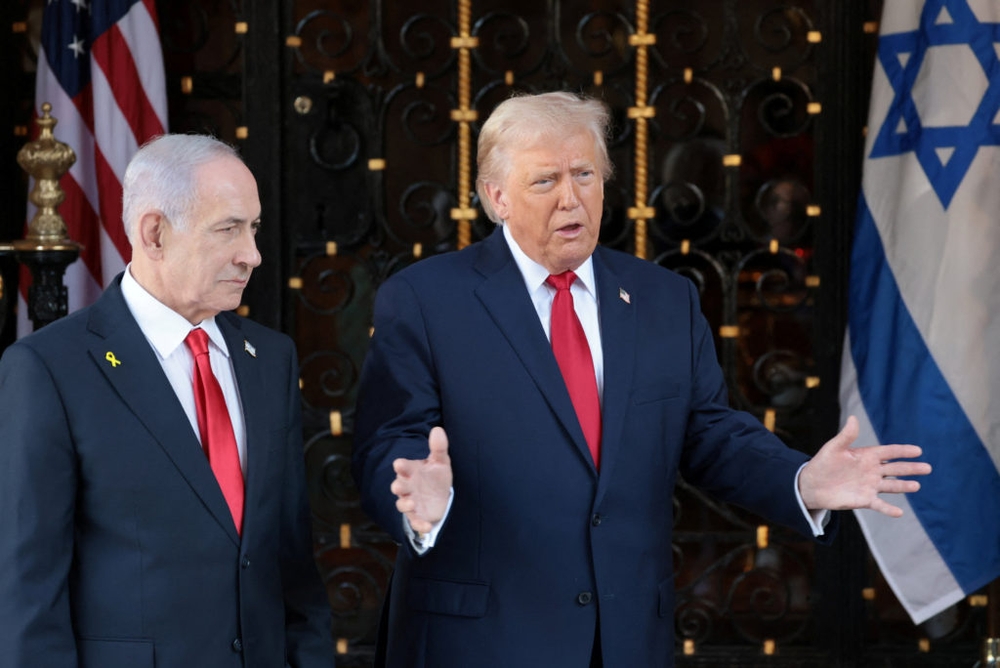
President Donald Trump’s meeting with Israeli Prime Minister Benjamin Netanyahu at Mar-a-Lago this week culminated in a stark warning to Iran that has sent shockwaves through the international community. Against the backdrop of palm trees and luxury surroundings, the President declared that if Iran attempts to rebuild its nuclear program, “we’re going to have to knock them down. We’ll knock them down. We’ll knock the hell out of them.” This rhetoric emerges just months after U.S. and Israeli strikes targeted Iranian nuclear enrichment sites, strikes that Trump previously claimed had “completely and fully obliterated” Tehran’s nuclear capabilities.
The timing of this confrontation is particularly delicate given the fragile state of the U.S.-brokered Israel-Hamas ceasefire. The Gaza deal, which Trump championed, has reached a critical juncture where progress has slowed significantly. Both sides accuse each other of violations, and deep divisions have emerged among the U.S., Israel, and Arab countries regarding the path forward. The ceasefire’s first phase began in October, following the horrific Hamas-led attack on Israel that killed approximately 1,200 people and resulted in the taking of 251 hostages.
The Complex Web of Regional Dynamics
The situation is further complicated by Iran’s insistence that it is no longer enriching uranium at any site in the country, a signal that Tehran remains open to potential negotiations over its atomic program. However, Netanyahu was expected to discuss with Trump the potential need for new military action against Iran, despite having launched a 12-day war against Tehran just months earlier.
The humanitarian dimension cannot be overlooked in this complex geopolitical equation. The meeting occurred as the parents of Ran Gvili, a young police officer whose remains are still in Gaza, met with Netanyahu, Rubio, Witkoff, and Kushner. Their painful wait for their son’s return home represents the human cost of these ongoing conflicts that too often get lost in high-level diplomatic discussions.
The Dangerous Precedent of Threat-Based Diplomacy
From a constitutional and democratic perspective, the approach demonstrated in this meeting raises profound concerns about the erosion of diplomatic norms and the rule of law in international relations. The framers of our Constitution understood the dangers of unchecked executive power in foreign affairs, which is why they created a system of checks and balances that seems increasingly ignored in these confrontational approaches.
The threat of military action without exhausting diplomatic channels represents a fundamental departure from the principles that have guided American foreign policy for decades. While Iran’s nuclear ambitions certainly present legitimate security concerns, the solution cannot be found through bellicose rhetoric that undermines the very institutions designed to prevent conflict.
The Undermining of International Institutions
What makes this approach particularly troubling is how it circumvents established international frameworks for conflict resolution. The United Nations Security Council, various non-proliferation treaties, and multilateral diplomatic channels exist precisely to prevent the kind of unilateral action being threatened. By sidelining these institutions, the administration risks creating a dangerous precedent where might makes right, rather than the rule of law governing international relations.
The proposed “Board of Peace” concept, while potentially innovative, raises questions about its relationship with existing international bodies. If successful, this board would oversee the rebuilding of a demilitarized Gaza under international supervision and help form a “technocratic, apolitical” committee to run daily affairs. However, the lack of clarity about how this new structure would interact with established UN frameworks creates uncertainty and potential for conflict rather than cooperation.
The Human Cost of Strategic Posturing
We must never lose sight of the human dimension in these geopolitical calculations. The people of Gaza continue to suffer immensely, living in a “devastated Palestinian territory” that requires massive reconstruction efforts. The Palestinian families hoping for normalization and potential independence, the Israeli families seeking security from rocket attacks, and the Iranian citizens who would bear the brunt of any military action—all these human stories get lost in the high-level strategic discussions.
The principle of human dignity, so central to our democratic values, demands that we consider these human costs before resorting to threats of violence. The Constitution’s commitment to “secure the blessings of liberty” applies not just to Americans but reflects universal values that should guide our interactions with all nations.
The Rule of Law Versus the Rule of Force
Perhaps most concerning is how this approach represents a shift from the rule of law to the rule of force in international relations. The corruption trial facing Prime Minister Netanyahu, and President Trump’s call for his pardon, adds another layer of concern about the erosion of legal norms. Netanyahu stands as the only sitting prime minister in Israeli history to stand trial, charged with fraud, breach of trust, and accepting bribes in three separate cases.
When leaders facing serious legal challenges receive support based on political considerations rather than legal merits, it undermines the very foundation of the rule of law that democracies depend upon. The principle that no one is above the law must be sacrosanct in any democracy worthy of the name.
The Path Forward: Principles Over Posturing
As we consider the way forward, several principles must guide our approach. First, diplomatic solutions must be exhausted before military options are considered. The complex web of regional relationships and historical grievances requires nuanced understanding, not blunt force threats.
Second, international institutions and multilateral frameworks must be respected and strengthened rather than undermined. The challenges we face—from nuclear proliferation to regional stability—require coordinated international responses, not unilateral actions that risk creating more problems than they solve.
Third, the human dimension must remain central to our calculations. The suffering of civilians in conflict zones, the aspirations of people for self-determination, and the fundamental human rights of all individuals must inform our policy decisions.
Finally, the rule of law—both domestically and internationally—must be upheld as the foundation for stable, peaceful relations between nations. When we allow political considerations to override legal principles, we undermine the very values that make our democracy worth defending.
Conclusion: A Call for Principled Leadership
The meeting at Mar-a-Lago represents more than just another diplomatic engagement—it symbolizes a concerning approach to international relations that prioritizes confrontation over cooperation, threats over diplomacy, and unilateral action over multilateral solutions. As defenders of democratic values and constitutional principles, we must advocate for a foreign policy that reflects our nation’s highest ideals rather than its most base instincts.
The path to true security lies not in threatening to “knock the hell out of” adversaries but in building the international frameworks and relationships that make such threats unnecessary. It requires patience, wisdom, and commitment to the rule of law—qualities that seem in short supply in current approaches to these complex challenges.
Our Constitution’s framers understood that democracy requires constant vigilance and commitment to principles over personalities. In that spirit, we must demand better from our leaders and insist on approaches to international relations that honor our democratic values, respect human dignity, and strengthen rather than undermine the rule of law. The stakes—for global security, regional stability, and human lives—could not be higher.