
The Politicization of California's Water: How Special Interests Threaten Environmental Sustainability
Published
- 3 min read
The Historical Context of California’s Water Wars
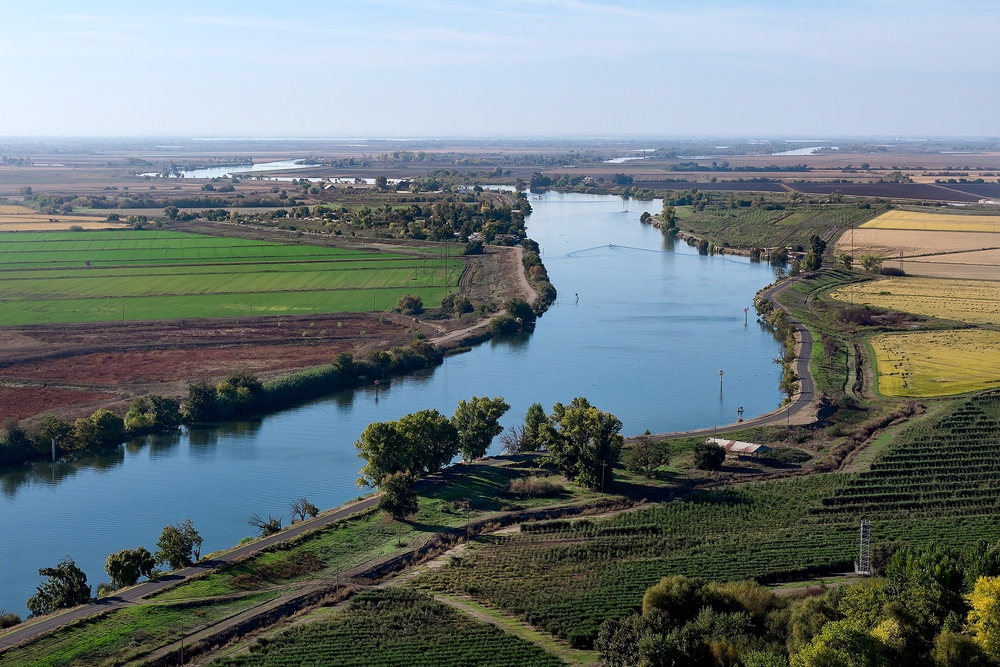
California’s complex water allocation system represents one of the most contentious and politically charged issues in the state’s history, dating back to the mid-19th century. The state’s water infrastructure, particularly the federal Central Valley Project and State Water Project, has long been subject to intense debate between agricultural interests, urban users, and environmental advocates. This ongoing conflict pits the water demands of the state’s massive agricultural sector against the ecological needs of delicate ecosystems and the water security of growing urban populations.
The Central Valley Project, managed by the Bureau of Reclamation, captures runoff from Northern California mountains through a complex system of reservoirs and canals, supplying water agencies throughout the Sacramento and San Joaquin valleys. This system has historically operated under careful balancing acts between competing interests, with scientific guidance and environmental regulations attempting to ensure sustainable management of this precious resource.
Trump’s Renewed Intervention in Water Policy
According to recent reporting, former President Donald Trump has reengaged with California’s water politics immediately upon returning to the White House in January. His administration has issued executive orders directing federal water officials to maximize water deliveries in California, specifically targeting operations of the Central Valley Project. This intervention follows Trump’s previous involvement during his first term, when his administration forged a controversial contract with the Westlands Water District that guaranteed the agricultural agency up to 1 million acre-feet of water annually despite lacking traditional water rights.
The Bureau of Reclamation recently announced operational modifications that would increase annual water deliveries by 130,000 to 180,000 acre-feet from the Central Valley Project and another 120,000 to 220,000 from the State Water Project. Secretary of the Interior Doug Burgum characterized these changes as reflecting “our commitment to using the best available science to increase water deliveries while safeguarding the environment.”
The Competing Perspectives
The announcement has generated sharply divided reactions that mirror California’s long-standing water allocation battles. Westlands Water District and other agricultural agencies praised the changes as “thoughtful, data-informed approach that strengthens water supply availability for growers while maintaining California’s commitment to environmental stewardship.” These agricultural interests face increasing pressure from groundwater use regulations that have reduced their water availability.
Conversely, California officials and environmental groups have strongly condemned the changes. Governor Gavin Newsom’s spokesperson, Tara Gallegos, stated that “the Trump administration is putting politics over people — catering to big donors instead of doing what’s right for Californians.” Environmental groups previously successfully sued against Trump-era water contracts, winning rulings in both trial and appellate courts that found these arrangements threatened flows through the Sacramento-San Joaquin Delta essential for wildlife habitat.
The Dangerous Precedent of Political Water Management
This renewed political intervention in California’s water management represents a dangerous departure from science-based resource allocation and threatens the very foundations of sustainable water policy. The Trump administration’s approach prioritizes short-term agricultural interests over long-term environmental stability, disregarding established scientific consensus about ecosystem needs and sustainable water management practices.
The characterization of environmental protections as prioritizing “an essentially worthless fish called a smelt” demonstrates a fundamental misunderstanding of ecosystem interdependence. The Delta smelt serves as an indicator species for the health of the entire Sacramento-San Joaquin Delta ecosystem, which supports countless other species and provides drinking water for millions of Californians. Dismissing environmental protections as trivial ignores the complex web of ecological relationships that sustain California’s water quality and availability.
The Threat to Institutional Integrity and Scientific Governance
Perhaps most concerning is the administration’s disregard for established institutional processes and scientific governance. The assertion that Governor Newsom refused to sign a “water restoration declaration” that his office claims does not exist suggests either willful misinformation or profound ignorance of California’s water management systems. Either scenario represents an unacceptable approach to governing precious natural resources.
The state’s water officials have indicated they have no intention of matching the Bureau of Reclamation’s new operational rules, setting the stage for continued legal and bureaucratic conflict that will likely extend beyond both the Newsom administration and Trump presidency. This prolonged uncertainty undermines the stability that water users—from farmers to urban residents to environmental managers—require for effective long-term planning.
The Broader Implications for Democratic Governance
This case exemplifies the broader threat posed by the politicization of technical governance areas that require specialized expertise and nonpartisan management. Water policy, like climate science, public health, and environmental protection, demands evidence-based decision-making rather than political favor-trading. When special interests can directly influence resource allocation through political connections rather than scientific merit, the entire system of democratic governance suffers.
The fact that these changes are occurring through executive action rather than legislative process or scientific review further undermines democratic accountability. By bypassing established regulatory and scientific review processes, the administration avoids the scrutiny and stakeholder input that typically characterizes sound environmental policy development.
The Path Forward: Principles for Sustainable Water Management
California’s water future requires returning to principles of scientific management, environmental sustainability, and equitable allocation that serves all users rather than privileging powerful special interests. This means respecting the legal and regulatory frameworks that have evolved through decades of careful negotiation and scientific study, even when they inconvenience particular interest groups.
Environmental protections must be understood not as obstacles to development but as essential components of long-term water security. Healthy ecosystems provide natural water filtration, flood control, and habitat for species that indicate overall system health. Dismantling these protections for short-term gain jeopardizes the sustainability of California’s water resources for future generations.
Ultimately, water management must transcend political cycles and partisan interests. The resolution of California’s water conflicts will require leadership committed to scientific integrity, environmental stewardship, and equitable distribution—values that should unite rather than divide Americans regardless of political affiliation. Our water resources are too precious to be treated as political bargaining chips or rewards for political supporters.